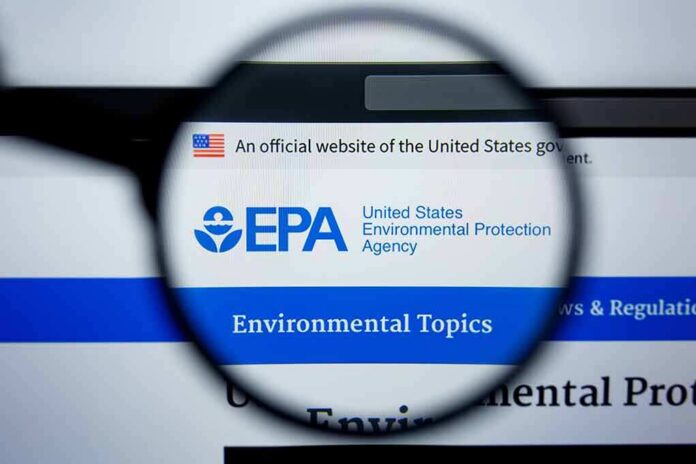
The Environmental Protection Agency proposed rolling back key methane rules and said the change would save $45 billion and boost U.S. oil and gas output — a major policy swing with high stakes for prices, pollution, and trust in government.
Story Snapshot
- EPA says the proposal would save $45 billion and unlock more U.S. energy.
- The plan revisits 2024 methane standards under the Clean Air Act.
- Critics warn weaker leak rules would raise methane pollution from small wells.
- The rule is proposed, not final; legal and procedural hurdles remain.
What EPA Proposed and Why It Matters
The Environmental Protection Agency (EPA) moved to revise 2024 oil and gas methane rules and presented the step as relief from “burdensome” requirements. The agency said the proposal would cut costs by about $45 billion for consumers and businesses, including small operators with marginal wells. EPA also tied the move to more supply, estimating 210 million extra barrels of oil and 1.4 trillion cubic feet of natural gas over time. The proposal targets specific Clean Air Act standards and guidelines known as Subparts OOOOb and OOOOc.
EPA framed the rollback as right-sizing rules that it says hit small and aging wells hardest. The agency’s fact sheets describe reduced monitoring and compliance steps that would lower costs for operators who say current rules are unworkable. Supporters argue that lower compliance costs can keep marginal wells open, sustain jobs, and help hold down energy prices for families and small businesses. Backers also say the changes cut red tape while keeping core protections in place under the Clean Air Act.
The Scale of Energy Gains and Savings Claims
EPA’s production estimate offers a clear number but not a sea change. Associated Press reporting put the 210 million barrels at about ten days of U.S. petroleum use, which helps set expectations about market impact. The $45 billion savings figure is central to EPA’s case but rests on agency modeling that is not fully detailed in public summaries, including how savings split between companies and households, over what time period, and with what assumptions. Those details will matter during review.
The plan remains a proposal. It must go through notice-and-comment and could face court challenges before any benefits or risks show up on bills, balance sheets, or in the air. That process tests the agency’s math and legal footing. It also checks whether the claimed savings reach consumers or are captured by producers and royalty owners. The answer affects how voters weigh cost relief claims against pollution concerns in energy communities.
Concerns About Methane, Small Wells, and Local Air
Environmental and public-health groups say the rollback weakens leak checks and removes tools designed to catch big releases fast. They point to small, low-producing wells as a major source of methane relative to their tiny share of oil and gas output. Critics cite estimates that these wells make up a few percent of production but contribute roughly half of sector methane emissions, and warn that easing rules there would raise climate and local air risks.
Several groups argue the plan would end the “Super Emitter” program and relax standards on venting, flaring, and control devices, limiting how fast large leaks are found and fixed. They also stress that methane warms the climate much more than carbon dioxide over a short period, which makes missed leaks costly in the near term for health and the climate. These claims will likely drive scrutiny from communities near oil and gas sites and from states with their own methane rules.
A Familiar Washington Tug-of-War — And What To Watch
This fight follows a long pattern in federal rulemaking. One administration expands pollution rules; the next says those rules raise costs and cut supply. The cycle continues through court reviews and rewrites. That back-and-forth feeds public doubt that Washington serves regular people first. Energy producers and environmental groups both say they act in the public interest, but many citizens see agencies and lobbyists trading wins while bills rise and local air stays dirty.
Key tests now are practical. First, will EPA release the full modeling that supports the $45 billion savings and show how much reaches household energy bills? Second, will independent data confirm that easing rules keeps marginal wells open without large methane spikes in key basins? Third, will any final rule align with strong state programs so locals are not left with worse leaks and fewer tools to report them? Clear answers would help rebuild trust across the aisle.
Sources:
youtube.com, bdlaw.com, epa.gov, minotdailynews.com, foxbusiness.com, medillonthehill.medill.northwestern.edu, elpc.org, newscientist.com