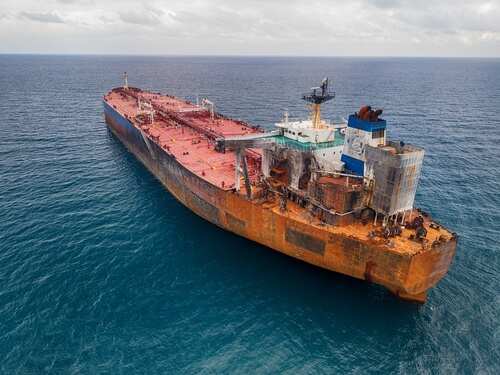
Iran’s effective closure of the Strait of Hormuz defies President Trump’s ultimatums, risking a global economic depression if Houthis seal the Bab el-Mandeb Strait next.
Story Highlights
- Strait of Hormuz, carrying 20% of global oil, remains de facto closed to most ships amid US-Iran war, with selective transits only for non-allied vessels.
- IRGC enforces bans and attacks on US, Israel, and allied shipping, causing 70%+ traffic drop and skyrocketing war-risk insurance.
- Trump’s April 2026 deadlines unmet; fuel rationing hits Europe and Asia as oil prices surge and supply chains falter.
- Hypothetical Houthi blockade of Bab el-Mandeb could trap Gulf exports, amplifying disruptions to depression levels.
Crisis Timeline: From Strikes to Blockade
US-Israel strikes on February 28, 2026, killed Iran’s Supreme Leader Ali Khamenei, sparking IRGC retaliation. By March 2, IRGC confirmed the Strait of Hormuz closure through VHF warnings and attacks on vessels like the US-flagged Stena Imperative. March 4 saw IRGC claim full control with at least eight ships damaged. Traffic halted as ships turned off AIS transponders to avoid detection. This 21-mile-wide chokepoint between Iran and Oman now handles minimal flow, upending global energy routes rooted in 1979 Revolution tensions.
Trump’s Response and Iranian Defiance
President Trump issued a Tuesday deadline in early April for reopening, backed by profanity-laced threats Iran dismissed as empty. IRGC commanders declared the strait will never return to its pre-war state, demanding tolls as war reparations. Selective passages resumed for Turkish and Indian ships, while non-Western vessels pay fees. Attacks continued, including the April 1 fire on QatarEnergy’s Aqua 1 and unverified April 4 drone strike on MSC Ishyka. High insurance costs and crew refusals cement the effective closure despite technical openness.
Stakeholders Locked in Standoff
Iran’s IRGC controls the northern strait, using drones and missiles against US naval presence. Gulf states like Saudi Arabia, UAE, and Qatar suffer infrastructure hits, trapping 55 Chinese ships and exporters. Shipping firms suspend operations; insurers pulled P&I war risk coverage on March 5. China, reliant on 40% of its oil imports via Hormuz, urges passage but faces no exceptions. President Trump’s administration pushes ultimatums, while Israel’s role draws Iranian fire. Power shifts favor Iran’s asymmetric tactics over traditional naval might.
This setup echoes conservative warnings against globalist overreliance on vulnerable chokepoints, prioritizing America First energy independence through domestic fossil fuels over risky foreign dependencies.
Economic Fallout and Depression Risks
Short-term, global oil shortages trigger rationing in Europe and Asia, with supply chain chaos hitting food and medicine deliveries. Oil prices spike as 20% of world supply stalls; Saudi and UAE output attacks compound the crisis. Long-term, trapped Gulf crude demands insufficient alternatives like pipelines. Experts at Lloyd’s List note past closure assumptions failed; CSIS confirms no Beijing exceptions. A Houthi Bab el-Mandeb shutdown—handling 10-12% of oil—could create dual chokepoints, plunging economies into depression per Dallas Fed analysis.
Both conservatives frustrated by high energy costs from past renewable pushes and liberals decrying inequality see elite mismanagement here: federal overreach abroad fails everyday Americans chasing the dream through hard work.
Sources:
The Strait of Hormuz Is Already Closed
Strait of Hormuz Fuel Rationing and Oil Crisis
Strait of Hormuz Closure: Alternative Shipping Lanes Experts
Iran Slams Trump’s Tuesday Threat Over Strait of Hormuz Closure
No One, Not Even Beijing, Getting Through Strait of Hormuz
Dallas Fed Economics 2026/0320
They All Said Hormuz Closure Would Be Brief – What If They Were Wrong