Iran’s reported plan to charge “tolls” for ships transiting the Strait of Hormuz is testing whether a cease-fire promise—and the basic idea of free navigation—still means anything.
Quick Take
- President Trump publicly warned Iran to stop any fees for tankers passing through the Strait of Hormuz, calling it a violation of the “agreement.”
- Reports of a roughly $2 million-per-vessel charge—potentially payable in crypto or yuan—have intensified worries about energy prices and sanctions evasion.
- Iran’s supreme leader signaled a “new stage” of Hormuz “management,” raising uncertainty over whether tolls are already being collected.
- U.S.-Iran talks scheduled in Islamabad face added pressure as allies demand toll-free transit under international law.
Trump’s Warning Puts Cease-Fire Terms Back in the Spotlight
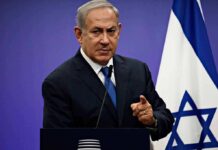
President Donald Trump escalated the pressure on April 9 with a Truth Social post accusing Iran of doing a “very poor job” allowing oil through the Strait of Hormuz and warning that any fees imposed on tankers “better stop now.” The comments landed days after a two-week cease-fire arrangement that was supposed to restore free shipping through the chokepoint after an Iranian blockade. The dispute now threatens to overshadow diplomacy scheduled for April 10 in Islamabad.
Iran has not publicly confirmed a toll collection program in the reporting cited, and that uncertainty matters. If the tolls are only “reports,” Trump’s statement functions as an early deterrent message ahead of talks. If fees are already being demanded, it becomes a direct test of whether cease-fire commitments can be enforced in real time. Either way, the episode highlights how modern crises can pivot on a single maritime bottleneck—and on blunt leader-to-leader messaging broadcast online.
Why Hormuz Matters: A Chokepoint With Global Energy Consequences
The Strait of Hormuz is only about 21 miles wide at its narrowest point, yet it carries roughly one-fifth of global oil trade, according to the reporting. When Iran previously blocked passage, the result was a tanker bottleneck and worldwide price spikes that fed a broader energy crunch. Even partial restrictions can compound quickly: shippers delay departures, insurers raise premiums, and buyers bid up cargoes as a hedge against shortages.
International law is central to the argument now unfolding. The strait is widely treated as an international passage where transit should not be arbitrarily impeded, and the reporting frames tolls as a sharp departure from past practice. For American readers frustrated by high prices, the immediate concern is practical: when energy supply routes are politicized, consumers pay the bill. That is true regardless of whether the toll is collected in dollars, crypto, or a rival currency.
Iran Signals “New Management,” While Allies Demand Toll-Free Navigation
Iran’s supreme leader, Ayatollah Mojtaba Khamenei, signaled an intent to tighten control with a state-TV statement promising to bring Hormuz “management” to a “new stage.” In parallel, U.K. Prime Minister Keir Starmer called for toll-free navigation, and EU diplomat Kaja Kallas urged respect for cease-fire terms and free passage under international norms. Those demands reflect a shared interest among importers: predictable shipping rules that prevent sudden price shocks.
The Real Dispute: Enforcement, Credibility, and the Cost of Weak Governance
The key factual gap is whether tolls are being collected or merely proposed, and that ambiguity will likely shape the Islamabad talks. If Iran treats “management” as the authority to impose fees, the U.S. and partners may see it as a rewrite of the cease-fire’s core promise of unrestricted transit. If Iran backs off, it may signal that diplomatic pressure—and the prospect of retaliation through sanctions or other tools—still has bite.
For Americans across the political spectrum who suspect government is failing at basic duties, the takeaway is uncomfortably familiar: ordinary families end up paying for geopolitical brinkmanship. Conservatives tend to see this as a reminder that energy independence and hard-nosed deterrence are not abstract slogans; they are buffers against foreign leverage over daily life. Liberals often emphasize global stability and rules-based order; this episode shows how fragile that order can be when enforcement is uncertain.
Sources:
Trump Warns Iran On Hormuz As Key Talks Loom
Trump says Iran ‘better not be’ charging tolls for ships passing through Strait of Hormuz
Trump says Iran doing “very poor job” of allowing oil through Strait of Hormuz