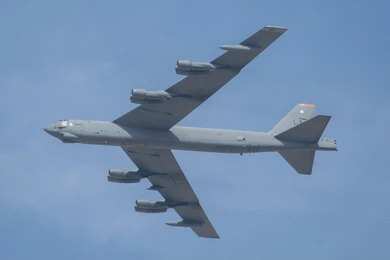
A Russian spy plane flying dark over the Baltic Sea is once again forcing NATO to prove it is awake.
Story Snapshot
- Polish fighter jets intercepted a Russian Il-20 spy plane flying over the Baltic Sea with no flight plan and its transponder turned off.
- The aircraft stayed in international airspace, but Poland’s defense minister still called the flight a “provocation” and a test of air defenses.
- This interception is part of a growing pattern of Russian reconnaissance flights that trigger NATO scrambles across the Baltic region.
- Polish commanders praised the “high combat readiness” of their pilots, highlighting NATO’s quick reaction posture near Russia.
Russian Spy Plane Flies Dark Near NATO Airspace
Polish military leaders report that a Russian Il-20 reconnaissance plane was detected flying over the Baltic Sea in international airspace with no filed flight plan and its transponder switched off. The Il-20 is a signals and imagery intelligence platform designed to listen to radio traffic and study radar systems. With the transponder off, civilian radar screens cannot identify the aircraft, which raises safety concerns for commercial flights sharing the same sky. Polish MiG-29 fighter jets were scrambled to visually identify and then escort the plane away from their area of responsibility. Officials stressed the Russian aircraft did not cross into Polish sovereign airspace but said its behavior still demanded a firm, professional response.
Poland’s Operational Command of the Armed Forces said the interception was carried out “swiftly, effectively and safely,” crediting the high combat readiness and professionalism of pilots and ground crews. This language matters. It shows NATO air policing missions are not just routine; they are a real-time test of how quickly allied fighters can launch, find, and shadow foreign aircraft that refuse to follow basic aviation rules. Command spokesmen noted that Polish jets were prepared to take “further actions” if the Russian crew made dangerous moves or tried to violate Polish airspace. In other words, the mission put front-line NATO forces nose-to-nose with Russian intelligence operators, with only a few miles and a few decisions separating a tense escort from a serious incident.
Poland Calls Flight a Provocation and Security Risk
While some international outlets framed the episode as a routine interception, Poland’s political leadership took a harder line. Defense Minister Władysław Kosiniak-Kamysz publicly called the Il-20’s flight “another aggressive action” by Russia and “a test of our air defense systems”. He warned that aircraft flying without active transponders can endanger both civilian and military aviation because air traffic controllers cannot see or properly track them. The Polish military confirmed the plane had no filed flight plan and its transponder was off, yet still stressed there was no direct violation of Polish airspace. That careful wording shows Warsaw is trying to follow international law while still calling out what it sees as Russian probing of NATO defenses. The timing came amid broader Russian strikes on Ukraine, which led Poland to launch precautionary air operations within its own airspace.
Other reports underline how often this exact pattern repeats across the Baltic region. NATO’s Swedish Gripen and German Eurofighter crews have also shadowed Il-20 aircraft flying in international airspace without flight plans, sometimes unresponsive to radio calls. On March 13, 2026, Polish MiG-29 jets intercepted another Il-20 that was on its ninth reconnaissance mission of the year, again in international airspace, with no flight plan and transponder off. Polish and French F-16 fighters conducted similar intercepts in April 2026, with Polish commanders openly saying these “provocative actions of the Russian Federation are testing our air defense systems”. Taken together, these events show a steady pattern: Russian military aircraft operate just outside NATO borders, ignore basic rules, and wait to see how quickly allied fighters respond.
Pattern of Russian Pressure Meets NATO Readiness
Analysts describe these Baltic flights as part of a wider Russian “catch-me-if-you-can” strategy, where Moscow pushes up against NATO lines without formally crossing them. In October 2025 alone, multiple Il-20 missions flew over the Baltic Sea with transponders off and no flight plans, forcing NATO quick reaction alerts and repeated intercepts by Polish and German jets. Earlier, three Russian combat jets violated Estonia’s airspace for about 12 minutes, and more than 20 Russian drones crossed into Poland’s territory, raising threat levels along NATO’s eastern flank. These moves let Russia collect intelligence on Western radar and response times while claiming the flights are “routine” because they often stay in international airspace. For Americans who care about strong borders and clear rules, it looks a lot like the airborne version of testing the fence without quite climbing over it.
For the Trump administration and NATO partners, these incidents are a reminder that peace through strength is not a slogan; it is a daily job. Polish jets must launch in minutes, identify foreign aircraft in bad weather and crowded skies, and make split-second choices that can either cool down a tense scene or light the spark for a bigger crisis. At the same time, Russia’s habit of switching off transponders and skipping flight plans shows a disregard for civilian safety and international norms. That kind of behavior should concern anyone who values order, sovereignty, and the rule of law. As long as Moscow keeps sending spy planes to circle NATO’s front yard, allied pilots will have to keep proving that Western defenses are not asleep at the switch — and American taxpayers will want to know that their dollars are going toward serious readiness, not woke distractions at home.
Sources:
insiderpaper.com, aerotime.aero, polskieradio.pl, usnews.com, yahoo.com, armyrecognition.com, euronews.com, internationalaffairs.org.au, en.wikipedia.org, militarnyi.com