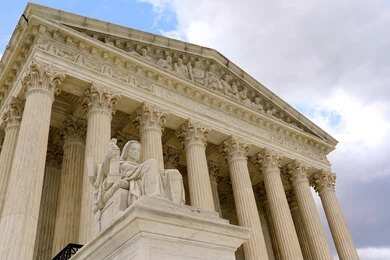
The Dressen appeal puts a broad vaccine censorship fight back in front of a federal court after a lower court dismissal.
Quick Take
- The lawsuit says federal officials used pressure and threats to push platforms to suppress vaccine-related speech.
- A district judge dismissed the case for lack of standing, saying the plaintiffs did not show a concrete link to platform decisions.
- The appeal lands in the same legal lane as Murthy v. Missouri, which the Supreme Court rejected on standing grounds.
- The dispute now turns on whether the plaintiffs can show likely future harm and tighter proof of coercion.
Why the Dressen case matters
The case comes from a complaint by vaccine-injured plaintiffs who say federal officials helped drive social media censorship of their posts. The complaint names White House, public health, and homeland security figures and says officials used “relentless pressure, inducement, coercion, and collusion” to get platforms to label or remove vaccine-related speech. That framing has made the case a new test of how far government contact with platforms can go before it becomes coercion.
The larger issue is not only what officials said, but what a court can prove from it. Plaintiffs say the government suppressed truthful speech, including claims about vaccine side effects that officials had already acknowledged as real. Critics argue the record still falls short because the plaintiffs did not sue the platforms themselves, which leaves a gap between government pressure and the actual content removals.
Why the district court threw it out
The district court dismissed the case for lack of Article III standing, which means the plaintiffs did not show enough direct, personal, and likely future injury to keep the suit alive. The court also said former officials such as Rob Flaherty and Vivek Murthy are now private citizens, which blocks some forms of relief and damages. In plain terms, the judge said the case described a possible censorship story, but not a legally sufficient one.
That ruling matters because standing is often where these lawsuits rise or fall. The court found no concrete link tying the federal defendants’ conduct to specific platform actions, and it said the plaintiffs had not shown that future censorship against them was likely enough to justify an injunction. Supporters of the suit see that as a high barrier that protects government actors. Supporters of the dismissal see it as a basic rule that keeps courts from chasing broad policy disputes.
The appeal faces a familiar Supreme Court roadblock
The appeal sits under the shadow of Murthy v. Missouri, where the Supreme Court ruled that plaintiffs lacked standing to challenge government contact with social media companies. The Court said the plaintiffs failed to show a substantial risk of injury that could be traced to government action and fixed by a court order. That decision did not bless censorship. It did, however, make it much harder for plaintiffs to win cases built on indirect pressure.
A government-led censorship campaign continues to violate Americans' rights to speak, associate privately and exchange information about Covid-19 vaccine injuries online. We just took new action against this problem in our Dressen, et. al. v. Flaherty, et al. lawsuit:…
— New Civil Liberties Alliance (@NCLAlegal) July 8, 2026
The Fifth Circuit had previously used stronger language in the broader social media dispute, describing officials as likely coercing or significantly encouraging platforms. But that language came in a preliminary injunction fight, not a final merits ruling. That difference is important. The appeal in Dressen is not just about whether the plaintiffs feel targeted. It is about whether they can meet the legal test that courts now demand after Murthy.
What comes next if the appeal moves forward
If the Fifth Circuit gives the case new life, discovery could become the real battleground. The plaintiffs would likely push for internal platform records, government email chains, and deposition testimony that show whether officials crossed the line from requests to pressure. Without that kind of evidence, the case will keep running into the same problem: broad claims of censorship are not enough if the record cannot show who caused what.
The case also sits inside a wider political fight over public trust. One side sees a federal machine that pushed platforms to silence dissent about vaccines. The other side sees a strained public health effort that used hard language but stayed within the law. Either way, the dispute reflects a larger national problem: many Americans now doubt that elite institutions, public agencies, and big platforms are telling the truth or following clear rules.
Sources:
reclaimthenet.org, dockets.justia.com, courtlistener.com, nclalegal.org, plainsite.org, firstamendment.mtsu.edu