A quiet decision in Rome means Pope Leo XIV is keeping Pope Francis’ tight rules on the old Latin Mass, even as he opens a narrow side door for exceptions.
Story Snapshot
- Pope Leo XIV has told church leaders he will not overturn Pope Francis’ Latin Mass restrictions.
- The rules in “Traditionis Custodes” stay in force, but bishops can seek renewable two-year dispensations.
- Local bishops gain limited room to allow the 1962 Latin Mass in set locations under strict oversight.
- Traditionalist Catholics see mixed signals, as single Vatican exceptions coexist with a firm overall policy.
What Pope Leo Decided About the Latin Mass
Archbishop Miguel Maury Buendía, the Holy See’s representative to Great Britain, told bishops in England and Wales that Pope Leo XIV does not plan to overturn Pope Francis’ limits on the traditional Latin Mass. He said the pope told him he would not abrogate “Traditionis Custodes,” the 2021 letter that greatly restricted use of the 1962 Roman Missal. At the same meeting, the archbishop said bishops who ask would be granted renewable two-year dispensations to allow the older liturgy in certain places.
This report means the basic legal framework Pope Francis created remains in place. “Traditionis Custodes” declared that the post–Vatican II liturgical books are the “unique expression” of worship in the Roman Rite and restored the rule that priests need permission from their bishop to celebrate the older form. It also ordered bishops not to set up new parishes or groups devoted to the traditional Mass and pushed existing communities toward the newer rite over time.
How the Rules Work: Restrictions With Controlled Exceptions
Under “Traditionis Custodes,” bishops may designate one or more locations where communities attached to the old Mass can continue, but generally not in parish churches and without creating new personal parishes. Many bishops have had to move Latin Mass groups into halls, side chapels, or non-parish settings, which some faithful see as a clear downgrade. New priests need approval from both their bishop and Rome before celebrating the old rite, and confirmations and ordinations in that form are barred.
The nuncio’s remarks show Pope Leo is keeping that system but using the law’s built-in “escape hatch.” He indicated that diocesan bishops can request a derogation from article 3, section 2, asking Rome to relax the ban on parish churches in specific cases. These derogations would come as two-year, renewable exemptions. A Catholic Standard report says lay supporters of the Latin Mass welcomed these “signs of policy change,” noting that dispensations would let bishops allow the old Mass without lifting Francis’ restrictions.
Signs of Flexibility Inside a Firm Framework
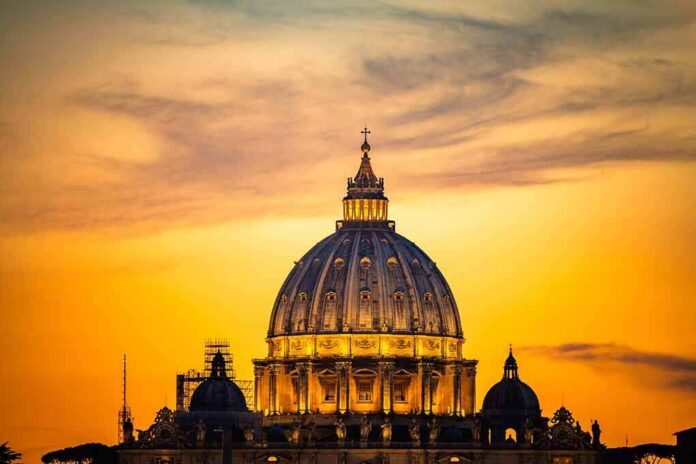
At the same time, Pope Leo has approved high-profile exceptions that send a softer signal. He authorized a traditional Latin Mass at the Vatican, a move described as “lifting restrictions that angered conservatives” in a bid to heal church divisions. The New York Times reported that permission for a Latin Mass in St. Peter’s Basilica gave traditionalists hope, even though Leo had not yet stated a full public policy on the issue.
In an interview with The Tablet, Cardinal Arthur Roche says Pope Leo XIV will not reverse the restrictions on the Traditional Latin Mass introduced by Traditionis Custodes, insisting the Pope is “not going back to Summorum Pontificum” and reflecting on liturgy, Church unity and… pic.twitter.com/aN6VY8wYAb
— AdVaticanum (@RealAdVaticanum) July 30, 2026
Catholic analysts say these steps look less like a repeal and more like a “safety valve.” America Magazine explains that Francis’ rules turned the old Mass into something allowed only under close supervision, with no new Latin-Mass communities and strong checks on priests and seminarians. Five years later, its reporting suggests Leo is likely to keep that structure but use exemptions to “corral and control renegade traditionalist communities” while easing tension where it is most severe.
Why This Matters Beyond Church Politics
This story fits a wider pattern many Americans recognize: strong rules made far from home, softened only through case-by-case favors. In the church, Rome sets tight limits on the Latin Mass, then allows bishops with good connections and enough patience to seek narrow waivers. In Washington, many citizens feel the federal government does the same with regulations, taxes, and programs that seem easier to bend for insiders than for ordinary families.
For conservatives who worry about global elites and top-down control, the Latin Mass debate looks like another example of tradition pushed aside by central planners. For liberals who care about equity and fear religious or social exclusion, it can look like a system that leaves a passionate minority feeling ignored instead of heard. In both camps, people see powerful leaders making quiet deals while regular believers and taxpayers struggle to live out their values on the ground.
Competing Narratives and the Risk of Confusion
Media headlines already pull the story in opposite directions. Some coverage says Pope Leo “will not reverse” the restrictions and is “making no changes.” Other reports focus on single events at the Vatican and speak of “lifting traditional mass restrictions” to heal splits. Because Rome has not yet issued a full public document in Leo’s own name explaining his policy, these briefings and one-off permissions end up shaping opinions more than clear law does.
That pattern will feel familiar to Americans who watch federal agencies roll out complex rules, then rely on press leaks, insiders, and cable spin to explain what they mean. Whether the issue is energy costs, immigration enforcement, or social spending, many citizens believe the real decisions are made in back rooms, with legal texts that rarely match the simple stories given to the public. The Latin Mass dispute shows that even inside a church, people now share that same frustration with distant authority.
Sources:
ewtnnews.com, usccb.org, ndtv.com, catholicregister.org, sacerdotus.com, americamagazine.org, rorate-caeli.blogspot.com