President Trump said the U.S.-Iran ceasefire is “over” after new strikes and ship attacks, reigniting a dangerous cycle with no clear legal end in sight.
Story Snapshot
- Trump declared the ceasefire “over” after Iranian attacks on ships and U.S. strikes on more than 80 targets.
- The Islamabad Memorandum set a 60-day window, but there is no formal U.S. termination document yet.
- Iran’s Revolutionary Guard says the United States broke the truce first, disputing who violated it.
- Talks may continue even as both sides trade blows, deepening confusion over policy and law.
What Trump Said And What The Military Did
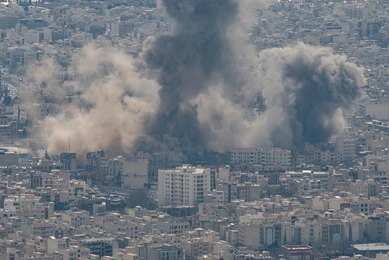
President Trump told reporters at a North Atlantic Treaty Organization summit in Turkey on July 8 that the ceasefire with Iran is “over.” He tied the break to Iranian attacks on three ships in the Strait of Hormuz. He also used harsh language about Iran’s leaders. Soon after, United States Central Command said it hit more than 80 Iranian targets tied to air defense, missiles, drones, and naval sites. The military framed these actions as retaliation for the ship attacks.
Central Command described the strikes as aimed at reducing Iran’s ability to hit ships and regional bases. The timing followed Trump’s remarks and claimed Iranian attacks on commercial vessels. These claims have not been matched with public release of detailed video or satellite proof. The military listed target types instead of showing evidence to the public. That gap leaves room for dispute, especially as Iran offers a different timeline and blame.
What The Ceasefire Actually Says
The June Islamabad Memorandum set rules for ending the war and created a 60-day period for talks. It also aimed to reopen the Strait of Hormuz. Reports say both sides have violated parts of the ceasefire many times since June. That pattern tracks with past U.S.-Iran truces that slid into tit-for-tat action. While Trump said “it’s over,” there is no public record of a formal United States order that ends the memorandum under law. That leaves a gray zone between politics and process.
Trump also said negotiators could keep talking even after his “over” remark. That signals the White House still sees value in dialogue. It also raises a basic question: if talks continue under the memorandum’s window, is the ceasefire dead or just wounded? For families with loved ones in uniform and for shippers moving oil, this muddle matters. Policy by microphone can move markets and missiles in minutes, yet leave laws and rules unclear.
Iran’s Counter-Claim And The Evidence Gap
Iran’s Revolutionary Guard says the United States broke the ceasefire first by launching strikes, and that Washington violated the Islamabad understanding. This clashes with the United States story that Iran attacked ships and forced a response. Independent proof on the ship incidents has not been made public by either side. Without open-source maritime or satellite data, the world is left to choose between rival statements rather than hard, shared facts.
Major outlets reported continuing strikes and rising risk across the Gulf. Analysts warned that allies may question Washington’s approach, and that Congress has moved to limit new combat steps. Those points hint at a gap between fast military action and slower democratic checks. Voters who feel the government serves insiders first may see another case where clarity, restraint, and accountability lag behind force and spin.
Why This Matters At Home
Oil moves through the Strait of Hormuz to the world. Any flare-up can raise fuel prices, squeeze family budgets, and push small businesses to the edge. Seniors on fixed incomes and workers with long commutes feel it first. When the government cannot speak with one clear voice or show basic proof, trust falls. People on the right see weak borders and costly wars. People on the left see elite deals and widening gaps. Both see a system that rarely admits mistakes or shows receipts.
What To Watch Next
Watch for public release of Central Command intelligence on the ship attacks. Look for a formal State Department or White House document ending the memorandum, if that is the policy. Track whether negotiators meet, and if maritime traffic through the Strait stays safe. Independent maritime incident reports would help settle blame. Clear, on-the-record steps can cool hot heads and steady markets. Without them, expect more claims, more strikes, and more risk to American wallets and troops.
Sources:
redstate.com, politico.com, axios.com, instagram.com, youtube.com