The U.S. State Department suspended all visitor visas for Gaza residents while it reviews humanitarian visa vetting, a move driven by political pressure and concerns about potential security risks.
At a Glance
- The State Department on August 16, 2025 paused all visitor visas for Gazans pending a full review of humanitarian visa procedures.
- Far-right activist Laura Loomer publicized flights bringing injured Gazans to the U.S., sparking political pressure.
- Republican Representatives Chip Roy of Texas and Randy Fine of Florida amplified criticism and pushed for the halt.
- The U.S. continues to back Israeli leadership while restricting Palestinian entry.
- The suspension could block medical treatment for Gazans in crisis.
Political Sparks Behind the Decision
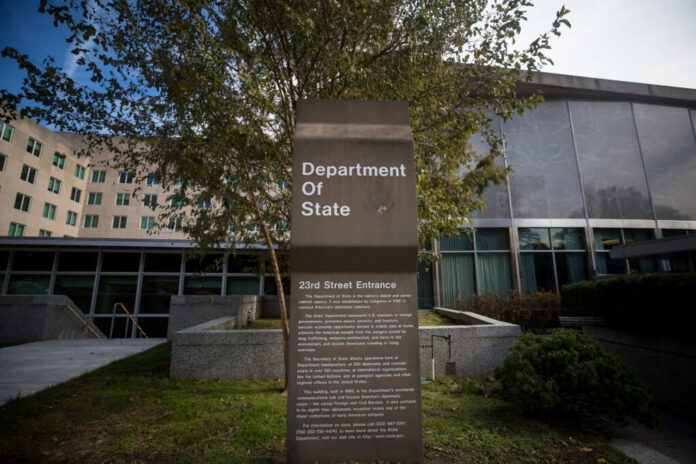
The State Department announced on August 16 that it is suspending all visitor visas for people from Gaza. Officials stated the pause is meant to allow a “full and thorough review” of the medical-humanitarian visa program, which had granted entry to a limited number of injured individuals, many of them children, in need of urgent treatment.
Watch now: US to refuse visas to Palestinian Authority officials: State Dept · YouTube
The halt quickly drew attention from political figures after Laura Loomer, a far-right commentator, claimed responsibility for exposing the flights that had carried Gazan patients to the United States. Her messaging gained traction online and was echoed by Republican lawmakers. Representative Randy Fine said Loomer’s reporting forced the administration to act, while Representative Chip Roy voiced similar demands for a suspension.
Although the State Department framed the action as an administrative review, the sequence of events highlighted how outside pressure and partisan narratives can accelerate changes in immigration policy.
Broader U.S. Visa Crackdown
The decision fits within a broader trend of tightened U.S. visa restrictions in 2025. Earlier this year, the State Department expanded background checks for travelers with connections to Gaza, including mandatory social media screening. Officials described the changes as security precautions, but rights advocates raised concerns about profiling and civil liberties violations.
Additional cases illustrate the trend. A number of international students lost visas after engaging in activism linked to Gaza or pro-Palestinian causes, fueling accusations that political expression was being targeted through immigration enforcement. Supporters of the measures insisted such steps were necessary to ensure public safety, while critics argued they undermined long-standing protections for humanitarian access and freedom of speech.
Taken together, the suspension of Gaza visitor visas is consistent with a wider tightening of entry rules in conflict-related contexts, reflecting the current administration’s emphasis on national security narratives even when humanitarian needs are at stake.
Humanitarian Consequences
The humanitarian impact of the suspension is significant. Gaza’s medical system remains under heavy strain, with hospitals lacking equipment, electricity, and basic supplies. For critically injured children and adults, visas to the United States and other destinations have provided a rare chance to access advanced treatment not available locally.
By halting the process, the United States risks closing off one of the few pathways for urgent care. Aid organizations warn that this step will increase mortality among vulnerable populations, particularly children with injuries requiring specialized surgery. At the same time, the pause adds diplomatic friction. While the administration reaffirms its strong support for Israel, it also faces mounting criticism from humanitarian groups and foreign governments for not addressing the suffering in Gaza more directly.
The coming review will determine how or if visas are restored. New security requirements could create delays that make humanitarian entry effectively inaccessible. A restoration under stricter rules might strike a balance between political concerns and humanitarian commitments, but the outcome remains uncertain. Either way, the decision underscores the influence of domestic political dynamics on international humanitarian responses.
Sources