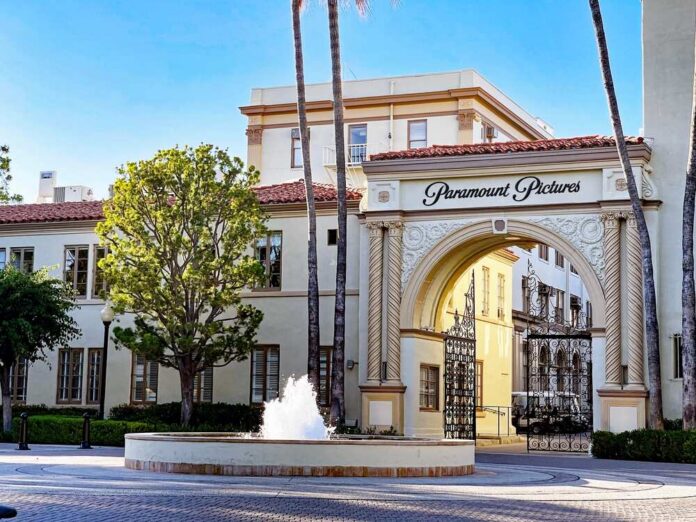
Twelve states sued to stop Paramount’s $110 billion takeover of Warner Bros. Discovery, warning it would erase competition in Hollywood even after federal officials cleared the deal.
Story Snapshot
- California and New York lead a 12-state lawsuit to block the merger filed July 13, 2026.
- The Justice Department approved the deal without conditions after eight months.
- Opponents say the merger would shrink buyers for content and talent and risk job losses.
- Supporters cite federal findings that streaming and film competition will remain strong.
What the States Claim the Merger Would Do
California Attorney General Rob Bonta and New York Attorney General Letitia James lead a 12-state coalition seeking to block Paramount’s acquisition of Warner Bros. Discovery. They argue combining two of the four major studios would cut the number of buyers for movies, shows, and talent. They warn this could pressure wages and reduce creative output. Reports say the suit was filed July 13, 2026, though the public has not seen a case number or complaint yet.
The states point to market power and a risk of a “buyer’s market” for labor. Industry professionals have raised the same alarm. They fear fewer bidders will buy scripts, hire crews, or greenlight films. They also cite a wave of consolidation that has squeezed mid-budget films. More than 5,500 Hollywood workers signed an open letter opposing the deal, signaling broad anxiety inside the industry about jobs and bargaining power.
What the Federal Government Decided
The Department of Justice Antitrust Division closed its review in June and found the deal was not likely to hurt competition or consumers. The agency said the market for streaming, cable, and theaters remains highly competitive. It cleared the transaction with no divestitures or conduct rules. The Justice Department added the combined company could challenge larger streaming rivals and might even increase competition in subscription video on demand.
Federal reviewers also pointed to recent signals in theaters. They said evidence shows competition in film production and distribution has increased since the deal was announced. That finding undercuts the claim that the merger would choke output. Still, the Justice Department did not release the underlying data. Its summary cited an “extensive investigatory record,” but that record stays sealed for now, limiting outside review.
The Crux: Fewer Buyers vs. Bigger Challenger
State attorneys general say the problem is not a classic monopoly that overcharges customers. They warn of a buyer power issue that can push down pay for actors, writers, and crews. Fewer studios bidding means less leverage for workers, and fewer places to sell projects. That is why the complaint leans on labor harm and a thinner marketplace for ideas, not only on consumer prices or subscriber counts.
Paramount’s allies counter with the federal view: a stronger studio could fund more projects and compete with giants in streaming. The Justice Department’s statement echoes that logic. It argues a bigger player can lower costs and improve choice for viewers. It also suggests that film and television are fast-moving markets where new entrants and technology keep pressure on incumbents. That claim will face testing in court and in the real world of budgets and payrolls.
What We Know, What We Do Not
Several facts are clear. The deal price is about $110 billion. The federal government approved it without conditions. Twelve states filed suit to stop it. Thousands in Hollywood signed an open letter against it. What remains unclear are the states’ exact legal exhibits, precise market share math, and any wage or job loss estimates. The full complaint, case number, venue, and supporting studies have not been made public yet, which limits independent review.
ATTORNEY GENERAL TONG SUES TO BLOCK WARNER BROS./PARAMOUNT MERGER
(Hartford, CT) — Attorney General William Tong today joined a coalition of 12 attorneys general in suing to block the $110 billion acquisition of Warner Bros. Discovery, Inc. (Warner Bros.) by Paramount Skydance…
— The Connecticut Centinal (@CTCentinal) July 13, 2026
One consumer lawsuit filed in April that challenged the merger faced pushback from Paramount, which argued the plaintiffs showed no proof of harm. That earlier fight shows how hard it is to win a media antitrust case without concrete data. Courts often want numbers: market shares tied to product markets, clear links to price hikes, output cuts, or lower pay. The states will likely need that level of detail to overcome a clean federal approval in front of a judge.
Why This Fight Matters Beyond Hollywood
This clash highlights a wider worry shared by many Americans. People on the left and right think powerful players shape rules to suit themselves. Here, a major deal sailed through Washington while states and workers cry foul. If the court sides with the states, it could slow the roll of giant mergers and signal that labor harm matters. If it sides with the companies, the message will be that scale is needed to compete, even if local markets feel squeezed.
What to Watch Next
Watch for the public release of the states’ complaint with full economic exhibits. Look for sworn statements by executives on hiring, content output, and wages. Track streaming prices and the number of films greenlit each year. If the merged company expands theatrical slates and invests in new shows, federal claims may hold. If independent producers and workers see fewer bids and lower pay, state warnings will gain force in the court of public opinion—and maybe in court itself.
Sources:
washingtontimes.com, nbcnews.com, youtube.com, nypost.com, politico.com, finance.yahoo.com