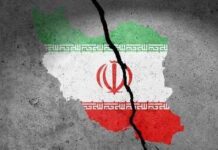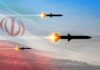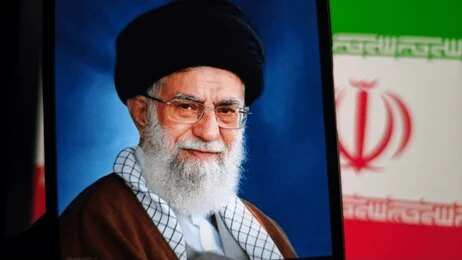
President Trump’s Operation Epic Fury has delivered devastating strikes against Iran’s nuclear ambitions and terror networks, but Americans must now watch carefully as this unprecedented campaign unfolds with both historic victories and mounting risks that could reshape the entire Middle East.
Story Snapshot
- Over 1,000 Iranian military targets destroyed in first days, including 10 naval vessels and critical nuclear infrastructure
- Iran’s Supreme Leader Ayatollah Ali Khamenei reportedly killed; regime stability now in question as leadership council forms
- Four American service members killed as Iran launches Operation True Promise 4 retaliatory strikes across Gulf states
- Operation ahead of schedule with Task Force Scorpion Strike drones making combat debut against IRGC command centers
- Strait of Hormuz disruptions threaten global oil markets while potential regime collapse could spark Iranian uprising
Trump Launches Decisive Strike After 47 Years of Iranian Aggression
President Donald J. Trump authorized Operation Epic Fury on February 28, 2026, at 1:15 a.m. ET, marking the end of diplomatic patience after nearly five decades of Iranian terrorism and nuclear deception. The campaign targets Iran’s imminent nuclear threat, ballistic missile arsenal, naval forces, and IRGC-sponsored proxy networks across the Middle East. CENTCOM forces, working alongside Israeli and regional allies, executed over 1,000 precision strikes within 24 hours against command centers, air defenses, missile sites, and military airfields. This represents the most comprehensive military action against the Iranian regime since its 1979 revolution, demonstrating the “peace through strength” doctrine that resonates with Americans tired of weakness.
Rapid Progress and Devastating Losses for Tehran’s Regime
By March 3, Operation Epic Fury had exceeded its initial timeline, with U.S. forces destroying critical Iranian military capabilities at a pace that surprised even military analysts. Ten Iranian naval vessels now rest at the bottom of the Persian Gulf, eliminating Tehran’s ability to threaten commercial shipping through the Strait of Hormuz. Most significantly, multiple sources report that Ayatollah Ali Khamenei, Iran’s Supreme Leader since 1989, was killed in the opening strikes, forcing the regime to hastily convene a leadership council. Retired General Jack Keane praised the campaign as “comprehensive and remarkable,” crediting meticulous planning by Trump administration officials. Task Force Scorpion Strike deployed low-cost, American-made drones modeled after Iranian Shaheds, turning Tehran’s own tactics against them in their first combat use.
American Casualties Mount as Iran Retaliates
Four U.S. service members have been killed as Iran launched Operation True Promise 4, firing ballistic missiles and drones at American and Israeli positions across Bahrain, UAE, Qatar, and Saudi Arabia. These losses remind us that decisive action comes with sacrifice, though they pale compared to the thousands of Americans killed or injured by Iranian-sponsored terrorism over 47 years. The IRGC, designated a terrorist organization by the United States, orchestrated these attacks while simultaneously facing destruction of its command infrastructure inside Iran. Defense Secretary Pete Hegseth emphasized that goals remain “laser-focused” on eliminating IRGC capabilities and preventing nuclear weapons development. President Trump vowed Iran will “never going to have a nuclear weapon,” rejecting the failed diplomacy that characterized previous administrations’ approach to this threat.
Critical Factors to Monitor in Coming Weeks
Several developments will determine whether Operation Epic Fury achieves lasting success or sparks wider regional conflict. First, watch for signs of regime collapse as Khamenei’s reported death creates a power vacuum that could encourage Iranian citizens to rise against their oppressors. Second, proxy responses from Hezbollah, Hamas, and Houthi forces will indicate whether terror networks can operate without IRGC coordination. Third, Strait of Hormuz traffic patterns will reveal economic impacts on global oil markets, affecting American consumers already frustrated by inflation from past administrations. Fourth, reactions from Russia, China, and European powers will shape diplomatic consequences. Congressional supporters including Senators Ted Budd, Joni Ernst, and Roger Wicker have praised Trump’s decisiveness, recognizing this as pivotal action against a nuclear proliferator.
Long-Term Implications for American Security
Operation Epic Fury represents a fundamental shift from the appeasement that allowed Iran to expand its nuclear program under the disastrous Obama-era deal. By destroying enrichment facilities, missile production sites, and military command structures, Trump has potentially delayed or eliminated Iran’s path to nuclear weapons for years. This protects not only Americans but also Israel and Gulf allies who face existential threats from a nuclear-armed Tehran. The campaign also degrades proxy networks that have destabilized Iraq, Syria, Lebanon, and Yemen, potentially reducing terrorism that threatens U.S. interests worldwide. However, risks remain if the operation triggers broader conflict or fails to capitalize on potential regime change. Americans who value constitutional principles, limited government, and strong national defense recognize this as exactly the kind of decisive leadership absent during four years of weakness that emboldened adversaries globally.
Sources:
U.S. Forces Launch Operation Epic Fury
CENTCOM Operations and Exercises: Epic Fury
How Long Could Operation Epic Fury Last?
Hegseth Says Epic Fury Goals in Iran Are Laser-Focused