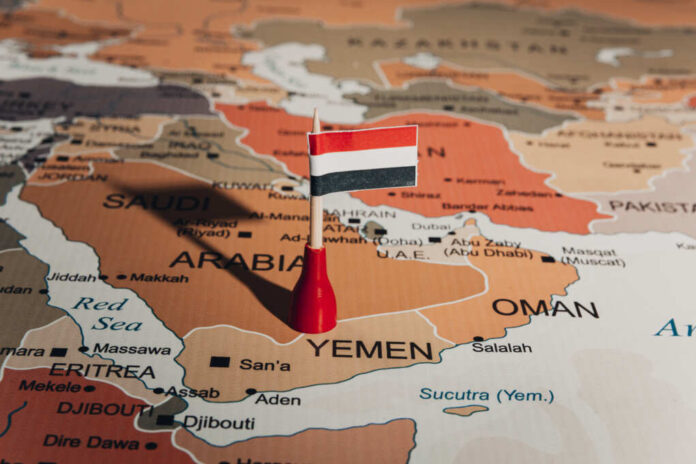
Yemen’s anti-Houthi alliance is in crisis after Saudi-backed leaders expelled the UAE-favored Southern Transitional Council (STC) leader, Aidarous al-Zubaidi, on charges of treason. This move, stemming from a deepening rivalry between Saudi Arabia and the UAE over their respective proxies, threatens the fragile ceasefire against the Iran-backed Houthi rebels. The growing internal conflict risks allowing Houthi advances, which could destabilize regional security and disrupt vital global trade routes through the Red Sea.
Story Highlights
- Presidential Leadership Council (PLC) expels Aidarous al-Zubaidi, STC leader, accusing him of treason after he skips Saudi negotiations.
- Saudi forces bomb STC positions amid rivalry with UAE, which withdraws troops from Yemen.
- STC denies claims, insists al-Zubaidi stays in Aden for security, heightening southern tensions.
- Infighting weakens united front against Iran-backed Houthis, endangering fragile ceasefire.
Expulsion Triggers Treason Charges
On January 7, 2026, Yemen’s Presidential Leadership Council expelled Aidarous al-Zubaidi from its ranks. The anti-Houthi body charged the Southern Transitional Council leader with treason. PLC announced the decision via SABA news agency after al-Zubaidi failed to board a flight to Saudi Arabia for talks on southern Yemen’s future. Saudi coalition spokesperson Maj. Gen. Turki al-Malki accused him of mobilizing armed forces with armored vehicles and fleeing to an unknown location. This move underscores deepening rifts within the coalition formed to counter Houthi rebels.
The leader of Yemen’s Southern Transitional Council (STC) Aidarous al-Zubaidi has been removed from gov't for 'committing high treason', after Al-Zubaidi 'fled to an unknown location', according to the Saudi-led coalition.
🔴 Follow our LIVE coverage: https://t.co/KMJxVcOAtg pic.twitter.com/wc1YipCdQu
— Al Jazeera English (@AJEnglish) January 7, 2026
Recent Escalations Between Saudi and STC Forces
Tensions surged in late December 2025 when STC advanced into Hadramout and Mahra governorates, areas previously controlled by Saudi-backed forces. Saudi Arabia responded with airstrikes on STC positions and alleged Emirati weapons shipments in recent weeks. On January 3, 2026, UAE withdrew its forces from Yemen under Saudi pressure and an anti-Houthi ultimatum. STC denies mobilization claims, stating al-Zubaidi remains in Aden to ensure stability. Saudi officials counter that he formed an armed gang linked to murders, escalating the standoff.
Historical Roots of Yemen’s Fractured Alliances
Yemen’s war started in 2014 when Iran-backed Houthis seized Sanaa, prompting a 2015 Saudi-led coalition intervention including UAE to restore the recognized government. Over 150,000 deaths and a humanitarian crisis followed. PLC formed in April 2022 after President Hadi’s resignation, uniting anti-Houthi factions with competing backers. UAE-supported STC, established in 2017, captured Aden in 2019 and pursues southern independence. Past clashes, like 2019 Aden fighting, highlight ongoing Saudi-UAE strategic divergences now boiling over.
Stakeholder Motivations Fuel Power Struggles
Al-Zubaidi and STC seek southern independence, resisting Saudi dominance while basing in Aden. PLC and Saudi Arabia prioritize national unity to combat Houthis and contain separatism. UAE aims for influence through proxies amid regional rivalry with Saudi. Saudi dominates the coalition, forcing UAE’s withdrawal and accusing STC of betrayal. STC’s Amr al-Bidh defends al-Zubaidi’s presence for security, while a delegation negotiates in Saudi Arabia. These crossed interests undermine the anti-Houthi front at a critical juncture.
Impacts Threaten Regional Stability
Short-term risks include clashes in Aden and southwest Yemen, derailing peace talks. Long-term, weakened unity could allow Houthi advances, exploiting Red Sea tensions from their attacks. Southern communities face instability, divided fighters risk setbacks, and civilians suffer from strikes like those in al-Dhale. Politically, the coalition fragments; economically, Aden port disruptions loom in the world’s poorest Arab state. Broader strains on Saudi-UAE ties affect Gulf politics and shipping security, with Houthis poised to capitalize on the disarray.
Watch the report: Yemen’s STC leader al-Zubaidi saw Riyadh trip as ‘political suicide’: Analysis
Sources:
- Yemen anti-Houthi council expels separatist leader as he faces treason charges | The Times of Israel
- Aidrous Al-Zubaidi Expelled from Yemen’s PLC for Committing ‘High Treason’
- Leader of UAE-backed Yemen separatists ‘flees’ and is accused of treason | Middle East Eye