
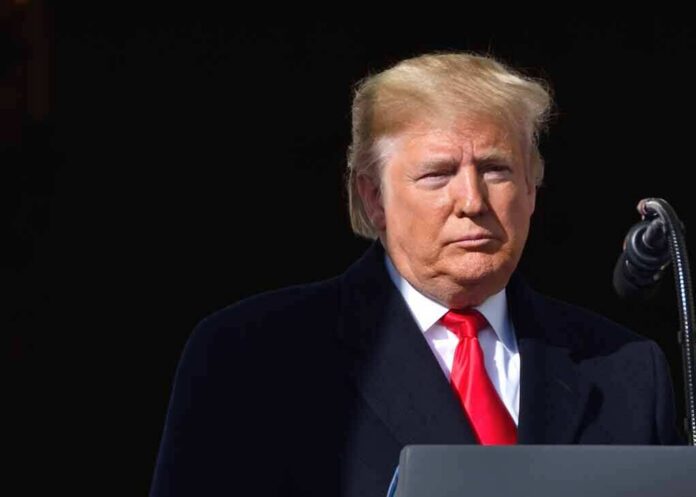
With war still raging in Ukraine, President Trump will meet NATO Secretary General Mark Rutte today in Florida to press allies on defense spending and discuss paths to peace.
Story Snapshot
- The White House scheduled a Trump–Rutte meeting at Mar-a-Lago in Palm Beach.
- NATO confirmed Rutte’s U.S. visit and the Mar-a-Lago stop on his agenda.
- The talks follow Trump’s recent meetings with Vladimir Putin and Xi Jinping.
- A White House official said defense spending and Ukraine peace efforts top the agenda.
What Is Officially Scheduled
The White House said President Trump will host NATO Secretary General Mark Rutte in Palm Beach on Wednesday afternoon. The meeting will take place at Trump’s Mar-a-Lago residence. Reuters first reported the schedule, citing the White House announcement. The report placed the event on the public calendar as a formal diplomatic meeting. This establishes the who, where, and when from the United States side of the ledger, using named offices and times to anchor the facts of the day.
NATO also confirmed that Rutte would travel to the United States and meet Trump at Mar-a-Lago. That independent advisory from the alliance backs up the White House schedule and shows both institutions aligning on basic details. Together, the United States announcement and NATO’s notice offer clear, two-source confirmation of the planned engagement, even without a full public agenda or a joint statement released ahead of the talks.
What They Plan to Discuss
A White House official said the talks will focus on pushing allies to spend more on defense, making “real progress” on burden-sharing, and finding a lasting peace for Ukraine. The official also tied the meeting to Trump’s recent diplomacy. The schedule follows Trump’s meetings with Russian President Vladimir Putin and Chinese President Xi Jinping in Asia, talks he described as meetings with “friends,” which adds weight to the timing and the stakes.
Reuters reported that the Florida sit-down comes days after those Asia meetings. That sequence matters because it shapes how allies read signals from Washington. When a United States president meets Russia’s and China’s leaders, then hosts NATO’s leader, diplomats watch for shifts in tone on war, sanctions, and alliance roles. The facts support that timeline and context, which frame today’s session without guessing at outcomes.
Why Burden-Sharing and Ukraine Are Linked
Defense spending and burden-sharing have long been hot issues inside NATO. Research on the alliance shows these debates flare when the threat from Russia changes and when the United States revisits its security role. The Ukraine war has both effects at once. That makes calls for higher spending and hard questions about Europe’s defense plans a recurring feature, not an outlier, in alliance politics across recent decades.
NATO’s public stance on Ukraine also guides what can be discussed. The alliance says the best path to a just and lasting peace is to keep strengthening Ukraine so it has leverage at the table. That view explains why Rutte’s visit blends talk of peace with pressure for more resources. It ties support on the battlefield to any future negotiation, while avoiding promises that bind the alliance to a specific endgame today.
What We Know, and What We Do Not
Officials have not released a detailed agenda or a joint statement. No new spending targets, dates, or dollar amounts are public at this time. That is normal for leader-level talks that set direction before staff hammer out details. The record right now is strongest on the meeting’s time, place, participants, and the high-level topics that the White House and NATO have publicly signaled.
It’s seems that Mr. Rutte has decided that praising Trump and ignoring facts is the only way to keep Trump engaged with NATO and Ukraine. Historians will tell us if this strategy worked or not. But I am sure thankful that I don’t have a job that compels me say such ridiculous… https://t.co/yGraHBTT9k
— Michael McFaul (@McFaul) November 25, 2026
For Americans across the spectrum, two threads stand out. First, if allies carry more of the load, United States taxpayers may face less pressure, which appeals to fiscal hawks. Second, a push for a durable peace in Europe aims to avoid open-ended war costs and risk. Both ideas speak to shared worries about government focus, waste, and elite drift. Today’s meeting tests whether top leaders can move from talk to measurable action without fanfare or spin.
Sources:
insiderpaper.com, reuters.com, ariananews.af, en.moneyandbanking.co.th, internazionale.it, doria.fi