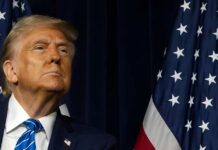
President Donald Trump, currently serving his second term, has filed a claim seeking $230 million in compensation from the Department of Justice. The claim is in response to federal investigations, including the 2016 Russia election interference probe and the 2022 FBI search of Mar-a-Lago, which Trump asserts were politically motivated.
Story Highlights
- Donald Trump is demanding $230 million from the Department of Justice.
- The claim relates to federal investigations, including the 2016 Russia probe and the 2022 Mar-a-Lago document case.
- Trump alleges these investigations were politically motivated actions by his opponents.
- The situation raises legal and ethical questions due to Trump’s dual role as claimant and president.
Trump’s Compensation Claim
Donald Trump has submitted a claim for $230 million from the Department of Justice, citing federal investigations he describes as politically motivated. These investigations include the 2016 FBI inquiry into alleged Russian election interference and the 2022 FBI search of his Mar-a-Lago residence for classified documents. Trump has consistently characterized these investigations as partisan attacks.
The request for compensation presents a unique situation given Trump’s position as both the claimant and the head of the administration responsible for approving such a claim. This dynamic has led to discussions regarding potential conflicts of interest. The involvement of former campaign lawyers now holding positions within the Department of Justice has also been noted as a factor that could impact perceptions of impartiality.
President Trump Demands Justice Dept. Pay Him $230 Million for Past Cases. pic.twitter.com/yGWgKM2Ohk
— Ashonti Ford (@AshontiFordTV) October 22, 2025
Historical Context
The investigations at the center of this claim originated with the 2016 FBI probe into alleged collusion between Trump’s presidential campaign and Russian operatives. This was followed by the 2022 FBI search at Mar-a-Lago concerning the alleged improper retention of classified documents. Throughout these events, Trump has maintained that the investigations were “witch hunts” and part of a broader narrative of political persecution.
The current political climate in the United States continues to be marked by polarization. Ongoing debates address the potential use of federal agencies for political purposes and the scope of presidential authority. Trump’s re-election in 2024 has granted him direct oversight of the Department of Justice, further intertwining political and legal processes.
Implications and Analysis
In the short term, this claim is anticipated to intensify partisan tensions and increase scrutiny of the Department of Justice’s independence. It also brings forth significant ethical and legal questions concerning presidential self-dealing. Long-term, the situation could establish a precedent for future presidents seeking restitution for investigations, potentially affecting public trust in federal law enforcement.
Critics of the claim argue it represents an overreach of power and a threat to the rule of law. Conversely, supporters view it as a justified response to what they consider partisan attacks. The claim’s symbolic significance for Trump’s base is seen as reinforcing narratives of victimization and political persecution.
Watch the report: ICE says it conducted ‘targeted operation’ on Canal Street in …
Sources:
Local 10 News: Trump says he’s owed a ‘lot of money’ over federal probes
The Star: Trump says he’s owed a ‘lot of money’ over federal probes
Daily Journal: University of Virginia strikes deal to pause Trump administration investigations