Attorney General Pam Bondi faced intense congressional questioning over explosive Jeffrey Epstein files revealing Commerce Secretary Howard Lutnick’s continued contacts with the convicted sex offender.
Story Highlights
- AG Bondi testified before the House Judiciary Committee on February 11, 2026, defending DOJ transparency amid scrutiny of over 3 million pages of Epstein investigation records
- Released documents exposed Commerce Secretary Howard Lutnick’s 2011-2018 communications with Epstein, including a 2012 family visit to Epstein’s island despite claims he distanced himself after 2005
- Bipartisan lawmakers demanded accountability over document redactions and questioned whether the Trump administration is protecting allies implicated in the Epstein scandal
- Epstein files revealed the deceased financier ordered hidden cameras installed in 2014, painting a disturbing portrait of elite sex trafficking networks that continue to haunt Washington
DOJ Faces Bipartisan Scrutiny Over Epstein Document Release
Attorney General Pam Bondi appeared before the House Judiciary Committee on February 11, 2026, at 10:00 a.m. ET in the Rayburn House Office Building to defend the Department of Justice’s handling of Jeffrey Epstein investigation records. The hearing, titled “Oversight of the U.S. Department of Justice,” centered on the DOJ’s recent release of more than 3 million pages of Epstein-related documents. Lawmakers from both parties pressed Bondi on transparency concerns, particularly regarding redactions that some members believe shield powerful individuals from scrutiny. The DOJ maintained it committed to full transparency with nothing hidden, yet the sheer volume of redacted material fueled skepticism among committee members demanding answers.
Watch:
https://www.youtube.com/watch?v=3H14-fPGtvM
Commerce Secretary’s Epstein Ties Contradict Prior Testimony
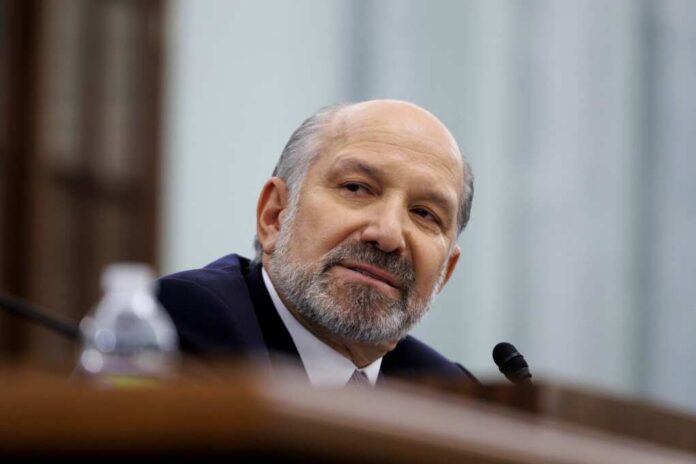
The released Epstein files placed Commerce Secretary Howard Lutnick under a harsh spotlight, revealing communications between Lutnick and Epstein spanning from 2011 to 2018. Most damaging was evidence of a 2012 family lunch on Epstein’s private island, directly contradicting Lutnick’s earlier claims that he distanced himself from the sex offender after 2005. Lutnick, who served as Epstein’s neighbor, attempted damage control by insisting the island visit was merely a family vacation and that he was never in Epstein’s company socially. Democrats and at least one Republican called for Lutnick’s resignation prior to Bondi’s testimony, arguing his false statements and continued association with a known predator disqualify him from cabinet service. The White House responded with a firm statement backing Lutnick, declaring President Trump’s full support for the embattled secretary.
Hidden Camera Revelations Expose Epstein’s Predatory Network
Among the most disturbing revelations in the document dump were emails showing Jeffrey Epstein directed his pilot to install hidden cameras throughout his properties in 2014. This chilling detail adds to the mounting evidence of Epstein’s systematic operation to entrap and compromise high-profile figures. The pilot declined to comment when contacted, leaving questions about the extent of surveillance and who may have been recorded. These files paint what analysts described as a “startling portrait” of an elite sex trafficking network that ensnared powerful individuals across finance, politics, and entertainment. For victims and their advocates, the document release represents a long-overdue step toward accountability, though concerns about redactions suggest the full truth remains concealed.
Trump Administration Balances Transparency With Loyalty
The hearing highlighted tensions within President Trump’s second-term administration as it navigates calls for transparency while defending cabinet members under fire. Bondi’s testimony represented the administration’s attempt to demonstrate commitment to accountability. However, the decision to stand by Lutnick despite documented discrepancies in his testimony creates political vulnerability. Lawmakers questioned whether the same transparency standards would apply to allies as to adversaries. The episode tests the administration’s promise to drain the swamp while maintaining team loyalty—a balance that will define its credibility on corruption issues.
The February 11 hearing marks a critical moment for DOJ oversight as Congress reasserts its constitutional authority to check executive power. The 2008 Florida plea deal that gave Epstein a sweetheart sentence, his 2019 death in federal custody, and now the controlled document release all raise questions about whether powerful institutions truly seek justice or merely manage scandals.
Sources:
Oversight of the U.S. Department of Justice – House Judiciary Committee