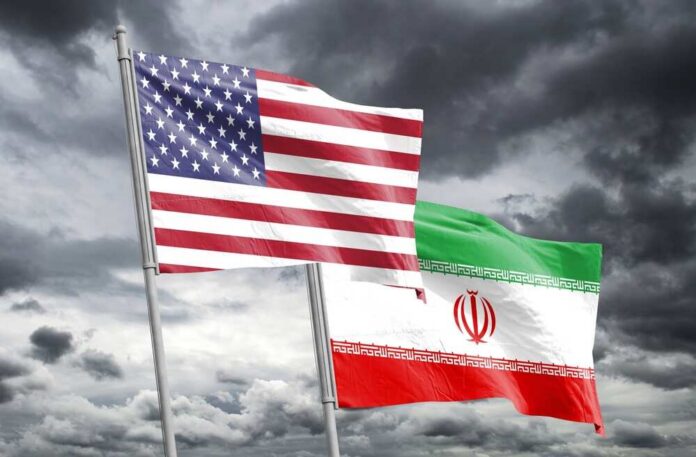
Iran’s exiled crown prince and monarchist activists say any U.S.-Iran peace deal that trades sanctions relief for promises while leaving enriched uranium in place would legitimize the regime and betray the push for real change [4].
Story Snapshot
- Reza Pahlavi rejects negotiated accommodation, urging maximum pressure and internal defections instead [4].
- Reports describe a Trump-backed ceasefire-and-talks framework that prioritizes de-escalation over regime change [3].
- Monarchists warn sanctions relief would entrench the regime unless ironclad safeguards and enforcement exist [4].
- Absence of a published draft fuels skepticism and charges of appeasement from opposition voices [7].
Pahlavi’s Pressure-First Strategy Collides With Deal Talk
Reza Pahlavi stated there is “no way you can make a deal with a regime that is inherently incapable” of real concessions, arguing instead for maximum pressure on the rulers, maximum support to the Iranian people, and maximum defections inside the country [4]. His stance positions restoration-minded activists against any agreement that offers sanctions relief without verifiable dismantlement. That view reflects a broader opposition spectrum that remains ideologically diverse but united in seeing the theocracy as untrustworthy [5].
Analysts report President Trump is pushing Tehran toward a choice: de-escalate through a limited agreement or face harsher confrontation, a strategy that prizes transactional calm over immediate regime collapse [3]. That approach contrasts with Pahlavi’s end-state focus and risks a rift with monarchists who equate phased bargaining with legitimizing the same power structure they seek to replace [4]. The tension is political as much as strategic, pitting incremental diplomacy against pressure designed to trigger internal change [3].
What The Reported Framework Promises—and What It Leaves Out
A widely discussed transcript describes a path including a defined ceasefire period, steps to reopen key waterways, and the start of nuclear talks, all meant to stop escalation and stabilize shipping and regional risk [7]. Supporters argue incremental moves can reduce immediate threats and create leverage for follow-on constraints [3]. Critics counter that if enriched uranium stockpiles remain and sanctions ease prematurely, Tehran gains cash and time without surrendering core capabilities that matter for breakout risk [4].
The public record lacks a published draft detailing sequencing, verification, and snapback penalties, leaving both the uranium terms and sanctions-flow safeguards unclear [7]. Without treasury licensing specifics or banking compliance channels, opponents warn relief could circulate through state-linked entities rather than everyday Iranians [7]. That documentation gap invites charges of appeasement and undercuts confidence among diaspora activists already skeptical of staged diplomacy with this regime [4].
Why This Dispute Resonates With U.S. Conservatives
Conservatives prioritize peace through strength, clear enforcement, and transparent rules that deter adversaries. Analysts note Tehran historically tries to avoid both direct war and binding engagement, which means only enforceable terms backed by credible pressure can work [3]. Any deal must show tight inspections, immediate penalties for violations, and restrictions that reduce breakout incentives, or it risks repeating cycles from earlier eras when partial relief met renewed escalation later on [8].
Accountability questions drive skepticism. Opposition groups remain fractured, yet converge on distrust of the theocracy’s promises and on fears that cash relief bolsters repression instead of freedom [2]. Conservative readers will recognize this pattern: secret side letters, vague timelines, and unenforced red lines erode deterrence. The administration can mitigate that risk by publishing the text, inviting independent nuclear-safeguards scrutiny, and building automatic sanctions snapback tied to measurable, time-bound steps [3].
How The White House Can Turn Criticism Into Leverage
Officials can harden negotiations by demanding front-loaded compliance: intrusive inspections, immediate caps that reduce stockpiles, and verified suspension of proxy attacks before any relief triggers. Clear metrics tied to shipping security, missile launch counts, and interdiction data would show whether de-escalation is real rather than rhetorical [3]. Direct engagement with Pahlavi’s stated concerns—pressure continuity, defections support, and non-regime distribution channels—could bridge the gap without abandoning deterrence [4].
#PatrickBetDavid says Pro #Iranian Monarchists will blame President Trump for their families in Iran dying. Should people like Patrick Bet David take more accountability for inciting tension in Iran or is he justified? pic.twitter.com/wrIEWtgRsQ
— TOLD NOT SOLD (@itstoldnotsold) May 29, 2026
Congressional oversight can reinforce constitutional rigor and conservative priorities. Lawmakers can require the full text, annexes, and enforcement mechanisms; mandate real-time reporting on sanctions flows; and condition any phased relief on International Atomic Energy Agency verification milestones. A deal that survives this scrutiny would look less like appeasement and more like structured coercive diplomacy. If those guardrails cannot be met, walking away preserves leverage and aligns with the pressure-first model monarchists demand [4].
Sources:
[2] Web – Praising Trump’s war, monarchist forces hijack Iranian diaspora
[3] Web – Disunity and Absence of Strategic Vision Pose Serious …
[4] Web – Iran Wants to Avoid Both Peace and War With the United States …
[5] YouTube – Iran’s exiled crown prince criticizes Trump’s ‘half-baked’ Iran …
[7] Web – Trump Has No Plan for Iran’s Future
[8] Web – Exiled crown prince’s plan for Iran is mostly aimed at Trump, experts …