Washington’s new tariff push puts foreign governments on notice: stop turning a blind eye to forced labor or lose easy access to the U.S. market.
Story Highlights
- U.S. launches Section 301 investigations into about 60 economies over forced-labor concerns, setting the stage for additional tariffs [8].
- Tariff Act already bans goods made with forced labor at the border; the new approach targets foreign government policies, not just shipments [1][6].
- European leaders signal irritation, framing the move as protectionism even as the U.S. grounds it in labor enforcement [7].
- Public records detailing country-by-country evidence are limited, leaving open questions the administration says the process will address [9].
What the Administration Is Doing and Why It Matters
Office of the United States Trade Representative officials initiated investigations under Section 301 of U.S. trade law to assess whether around 60 trading partners enable imports produced with forced labor, a step that can lawfully lead to tariffs if unfair practices are found [8]. According to congressional research, the administration argues that forced labor undercuts honest producers by artificially lowering labor costs, distorting prices, and harming U.S. workers and manufacturers [5]. This strategy shifts pressure from isolated cargoes to foreign governments that fail to police abusive supply chains [8][5].
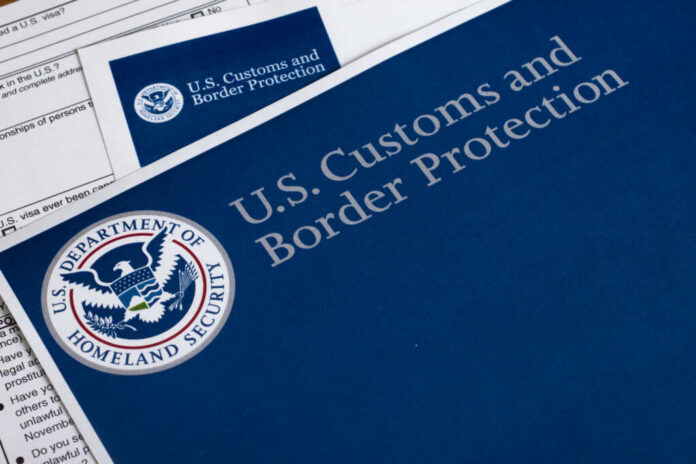
Under existing law, the Tariff Act already prohibits importing goods made in whole or in part with forced labor, and U.S. Customs and Border Protection can detain suspect shipments through withhold release orders [1][6]. The current push is broader: it uses Section 301 to address countries’ policy failures, not only individual containers at the dock [9]. Trade experts describe this as a pivot to a new legal strategy after years of narrow, shipment-by-shipment enforcement that sometimes let problem goods reappear through complex supply chains [7][6].
How Allies and Markets Are Reacting
European officials bristled at being grouped with countries accused of forced-labor risks, and early coverage emphasized friction with Europe, the United Kingdom, India, Japan, and China alongside potential retaliation threats [2][3]. Broadcast reports indicated markets initially downplayed tariff risk, focusing instead on unrelated themes like technology stocks, which could understate the policy’s long-run bite if duties advance after the investigation phase [2]. Diplomats are pressing for clarity on evidence thresholds and exclusions before escalation [3].
Analysts note that the investigations arrive as part of a wider tariff framework directed by the White House to secure fairer trade terms and restore leverage lost in prior legal battles, adding pressure on partners to negotiate rather than ignore compliance gaps [10][9]. Policy watchers stress that Section 301’s structured timeline and public-comment process create a record that can justify measured tariffs while allowing allies to demonstrate concrete reforms to avoid penalties [9]. That process-based path matters for legitimacy and durability if challenges arise.
What Evidence Exists and Where the Gaps Remain
Human-rights advocates have long pointed to the Tariff Act as a practical tool to block forced-labor goods, demonstrating that U.S. law already recognizes the problem and provides a baseline for enforcement [1]. However, the currently available public materials do not furnish country-by-country findings linking specific supply chains to forced labor for each of the roughly 60 economies, limiting outside verification at this stage [9]. Legal alerts and think-tank analysis confirm investigations began and outline timelines but do not substitute for the underlying administrative record [8][9].
US says it plans extra tariffs of 10% or more for most trading partners after forced labor probe https://t.co/HRoEyWqu1m pic.twitter.com/hmdrvZGJX1
— Eyewitness News (@ABC7NY) June 3, 2026
For conservatives, the principle is straightforward: American workers and honest businesses should not be undercut by factories that exploit labor or by governments that look the other way. Section 301 allows the United States to address unfair trade practices at the policy level, and congressional research underscores how forced labor creates artificially cheap imports that hollow out U.S. industry [5]. Still, credibility depends on transparent evidence. The administration’s docket, hearings, and customs data will be crucial to sustain tariffs that are tough, targeted, and legally sound [9][8].
Sources:
[1] Web – US proposes new tariffs over forced labor, irking Europe
[2] Web – Importing Freedom: Using the U.S. Tariff Act to Combat Forced …
[3] YouTube – Trump Tariffs: China, UK, Europe Among US Trade Partners Targeted
[5] Web – Trump administration launches new forced labor investigations into …
[6] Web – US Forced Labor Tariff Probes Draw Mixed Industry Response
[7] Web – [PDF] How the European Union Should Respond to Trump’s Tariffs
[8] Web – Section 301 Investigation—Forced Labor and Import Policies of U.S. …
[9] Web – Linking Forced Labor to Trade Competition: The Strategic Value and …
[10] YouTube – US investigates forced-labour into 60 countries