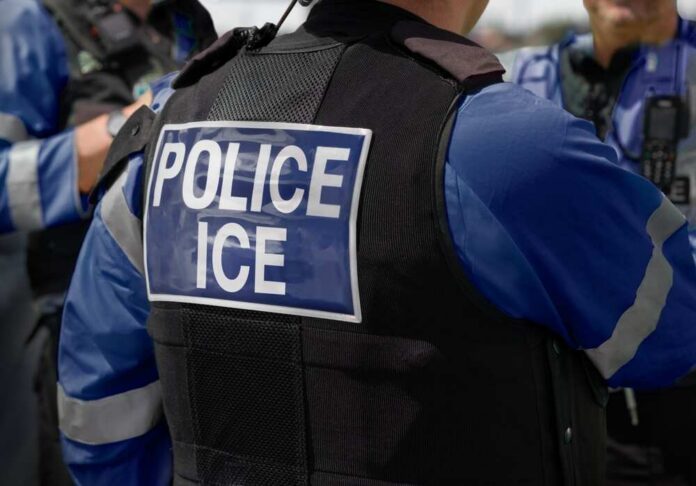
A county medical examiner has ruled Daphy Michel’s death a homicide, and that finding puts fresh pressure on ICE.
Quick Take
- The Allegheny County Medical Examiner ruled Michel’s death a **homicide** after she died of hypothermia in Pittsburgh.[1][4]
- Officials said Michel was a **vulnerable adult** with untreated mental health issues and a language barrier when she was released.[1][2]
- ICE says it had **nothing to do** with her death and says she left with belongings, a charged phone, and transit access.[1][2]
- The case is now a test of whether release procedures protected a woman who needed help, or failed her at the worst possible time.[1][2][6]
What the Medical Examiner Ruled
The Allegheny County Medical Examiner’s Office said Friday that Michel’s death was ruled a homicide.[1] The office also said the ruling means the death was caused by the actions of another person, but it warned that the finding is not a criminal conviction.[1][4] Michel, 31, died after being found unresponsive at a Pittsburgh bus shelter and later declared dead at a hospital.[1][6]
That distinction matters because the word homicide sounds like a criminal charge, but it is a forensic finding.[1][4] In plain terms, the examiner is saying another person’s actions helped cause the death. That does not, by itself, prove who is legally responsible. Still, the ruling gives the family a major step forward and raises hard questions about how Michel ended up exposed to the cold in the first place.[1][4]
Why the Case Is Drawing Anger
Public reporting says Michel was released from federal custody on February 27 and died three days later from hypothermia.[1][2] The medical examiner described her as a vulnerable adult with untreated severe mental health issues and a significant language barrier at the time of release.[1][2] Those facts have fueled the family’s argument that she should not have been left to navigate Pittsburgh on her own, especially after being dropped near a bus shelter in freezing weather.[2][6]
Family attorney Joseph Patrick Murphy said Michel waited at the stop for more than a day before she died, and he argued that she was not given the help she needed.[2] Local reporting also says she was fitted with an ankle monitor before release.[1][2] For many readers, the plain question is simple: why was a woman with clear vulnerabilities released into a cold city without a safer handoff plan?[1][2]
ICE Denies Responsibility
The Department of Homeland Security, through Acting Secretary Lauren Bis, pushed back hard and said ICE had “nothing” to do with Michel’s death.[1][2] ICE also said Michel was released with all of her belongings, a charged phone, and public transportation available.[1][2] That version of events gives the agency a clean defense and sets up a factual fight over what support was offered, what was refused, and who made the release decisions.[1][2]
The death of a Haitian asylum seeker just days after she was released from ICE custody has been ruled a homicide.
Daphy Michel was found on the ground at a Pittsburgh bus shelter in March. She died from hypothermia, the ME said.
Her family's lawyer blames ICE.@KDKA story ⬇️ pic.twitter.com/ZRzq7UUOB2
— Ricky Sayer (@RickyReports) June 13, 2026
The public record still leaves gaps that matter. The available reporting does not include the full autopsy file, the release checklist, or the handoff records showing what jail, immigration, or transportation staff actually did.[1][2][6] It also remains unclear whether family contact was tried before she was dropped at the bus stop.[2][6] Those missing records will likely decide whether this becomes a story of negligence, bad judgment, or something more serious.[1][2]
Why This Story Hits a Nerve
This case lands in the middle of a broader fight over immigration enforcement, mental-health failures, and government accountability.[2][6] Conservative readers are likely to see a familiar pattern: a vulnerable person caught in a system that talks about process but fails at common sense. At the same time, the medical examiner’s warning against treating a homicide ruling as a guilt verdict keeps the facts from being stretched beyond what the evidence currently shows.[1][4]
For now, the strongest facts are clear. Michel died of hypothermia after her release from custody. The medical examiner ruled the death a homicide. ICE denies blame. And the unanswered question is whether officials made a reckless choice that left a vulnerable woman to fend for herself in the cold.[1][2][4][6]
Sources:
[1] Web – A woman’s hypothermia death in Pittsburgh after her release from ICE …
[2] Web – Death of Haitian immigrant following ICE custody ruled a homicide
[4] Web – Death of Haitian immigrant following ICE custody ruled a homicide
[6] YouTube – Death of Haitian woman released from ICE custody ruled a homicide