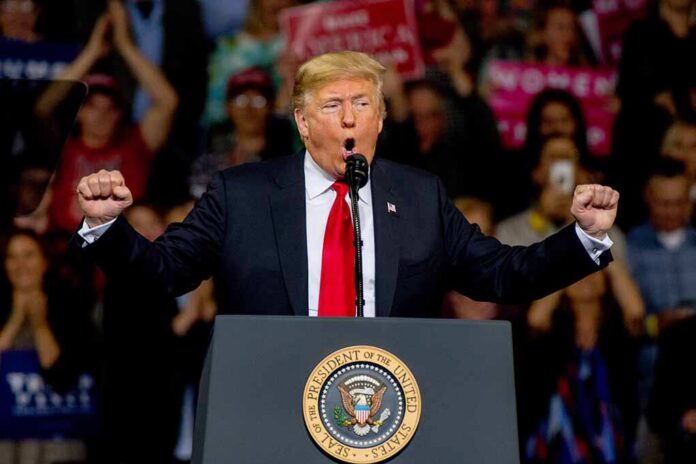
President Trump told a Nebraska rally that Iran could “take out” Los Angeles and San Diego as a “small price,” igniting a coast-to-coast fight over security, leadership, and what Americans are asked to risk.
Story Snapshot
- Trump named Los Angeles and San Diego while defending hard-line policy toward Iran.
- The White House said he meant the U.S. is preventing Iran from gaining that capability.
- California leaders condemned the remarks as dangerous and irresponsible.
- Public reports show no declassified proof that Iran can strike U.S. West Coast cities.
What Trump Said And Why It Sparked Backlash
At a Nebraska rally, President Trump said Iran could “take out” Los Angeles and San Diego and called that outcome a “small price to pay” for keeping the nation and world safe, according to multiple outlets that quoted his words directly. The line landed hard because it named two American cities and framed their loss as acceptable to meet a larger goal. The remark instantly drew outrage from California officials and national critics who called it reckless and cruel.
The White House pushed back and argued the media twisted the message. Officials said Trump was warning that Iran would threaten U.S. cities if not stopped, not urging or accepting an attack. That defense placed the comments in a deterrence frame tied to stopping Iran’s nuclear program. The administration also linked the remarks to Trump’s broader insistence that Iran must never obtain a nuclear weapon and must face pressure to prevent that outcome.
How The Security Claims Stack Up Against Public Facts
Reports from the rally and follow-on coverage did not include a public intelligence assessment showing Iran can hit California with missiles today. The Los Angeles Times added that it is “far from clear” Iran has such reach, which challenges the literal scenario Trump described. At the same time, Los Angeles and San Diego do host major U.S. military assets, including key Navy and Air Force sites, which makes them symbolic and strategic in any crisis discussion.
Trump’s supporters argue strong words can deter adversaries and rally allies to keep pressure on Tehran. Critics counter that naming American cities as expendable crosses a moral line and breeds fear without evidence. Both reactions reflect a larger fight over threat framing. National security debates often move from proven capabilities to worst-case futures, especially when leaders speak off the cuff at rallies. That shift can cloud what the government actually knows and what it only fears may come next.
Why This Touches A Raw Nerve For Both Parties
People on the right and left share a growing worry that Washington stops listening when the stakes are highest. Many feel leaders from both parties talk tough but hide the evidence and the costs. Public briefings did not provide clear, declassified proof behind the specific California scenario, which feeds mistrust about elites who ask citizens to accept risks they would never shoulder themselves. That mistrust erupted because the line sounded like regular people were the “price.”
President Donald Trump drew widespread attention after remarks at a Nebraska campaign rally in which he said, “Let them take out Los Angeles. Let them take out San Diego,” while discussing the war with Iran and its economic costs. California leaders quickly condemned the… pic.twitter.com/s8R9sjcvkh
— Christian Daily (@ChristDailyUSA) October 6, 2026
California leaders condemned the remarks and demanded respect for their residents’ safety, saying no American city is “collateral damage”. The White House insisted the point was prevention, not acceptance, of harm. The gap between those readings underscores a basic need: when leaders raise the specter of attacks on U.S. soil, they should anchor claims in shareable facts. Transparent evidence does not end debate, but it helps people judge policy stakes without fear or spin.
Sources:
nbclosangeles.com, bbc.com, abcnews.com, latimes.com, kcra.com