Standing at the United Nations, a former Hamas hostage told his captors, “I won.”
Story Snapshot
- Eliya Cohen, freed after 505 days in Gaza, declared “I won” at a United Nations event.
- Cohen spoke alongside his wife, a survivor of the Nova festival attack, to an audience marking three years since Oct. 7.
- Reports list Cohen among hostages released during negotiated exchanges after the war’s early months.
- Experts say hostage-taking also serves as psychological warfare that shapes public opinion and policy.
Freed Hostage’s Message at the United Nations
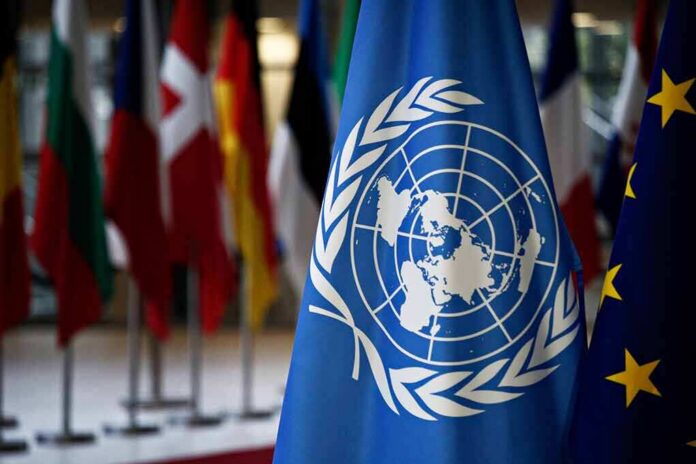
Eliya Cohen, who was held for 505 days in Gaza, addressed a United Nations gathering marking the third anniversary of the Oct. 7 attacks. He told roughly 400 attendees that he had a blunt message for Hamas and other terrorists: “I won”. He spoke beside his wife, Ziv Abud, who survived the Nova music festival massacre. Their appearance highlighted the pain of captivity and the resolve of survivors who now tell their stories on a global stage.
United States Representative Mike Waltz attended the event and highlighted the accounts of survivors, including Cohen and Abud. Reporting from the venue described a somber room as Cohen tried to explain the limits of language when talking about captivity and violence. The message was both personal and public. It framed survival, marriage, and testimony as a moral victory over those who tried to break his body and spirit, and as a reminder that the hostages remain central to this conflict.
How Cohen’s Release Fits the Larger Timeline
News outlets tracked hostage releases that unfolded through negotiated steps. One report listed Cohen among six hostages freed on a Saturday as part of an exchange that involved staged releases and disputes over process between the parties. Those steps moved alongside battlefield events and outside pressure. Each release carried political weight. Each name carried a family, a community, and a debate over what deals are made in war and what price is paid by civilians.
These exchanges did more than trade people for people or concessions for pauses. They set the pace of diplomacy and public pressure. They shaped media coverage and set priorities for leaders. Survivors like Cohen now speak to large audiences, including at the United Nations. Their testimony keeps the human stakes at the center of policy talks that can drift into numbers, maps, and deadlines that ignore life on the ground.
Why Survivor Testimony Matters Across Politics
Analysts describe hostage-taking by armed groups as part of a wider “cognitive war.” Hostages become tools to pressure leaders, sow fear, and move public opinion. That makes survivor testimony powerful. It can counter fear with resolve and remind the world who paid the highest price. Research says this struggle over meaning continues after release, as governments, families, and armed groups all try to shape the story for advantage.
Freed Hostage Has Fiery Message for Former Hamas Captors After Enduring Unfathomable Evil: 'I Won'https://t.co/1pNiGcM0sW
— RedState (@RedState) October 8, 2026
Americans across the political spectrum see a pattern here. People worry that leaders talk in slogans while families carry the load. Some blame global passivity; others blame failed strategy or mission creep. Many agree that a system built to protect the vulnerable often responds too slowly. Cohen’s “I won” does not end the debate. But it cuts through it. It puts a human face on policy fights and warns that human lives should not become bargaining chips again.
Sources:
redstate.com, israeltoday.co.il, jns.org, worldisraelnews.com