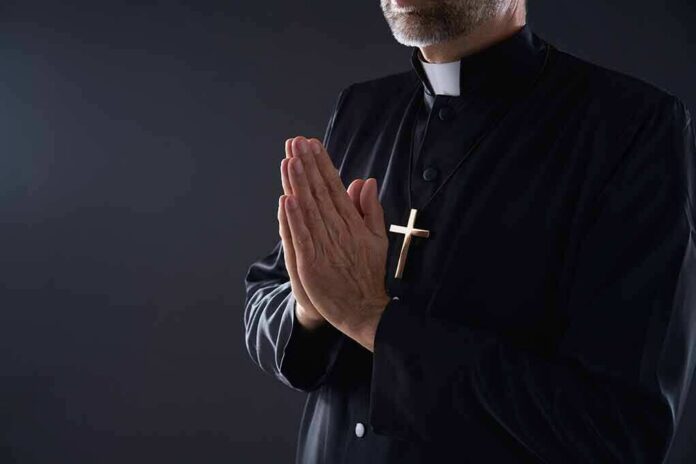
Chicago’s archdiocese reinstated a high-profile priest after a fifth abuse allegation, while releasing almost no details about why.
Story Highlights
- Cardinal Blase Cupich reinstated Father Michael Pfleger after a review board found no reason to believe the claim.
- Survivor advocates and an accuser’s attorney criticized the decision and the lack of detail.
- The case shows how church-run review boards clear some priests, fueling public doubt across the aisle.
What The Archdiocese Decided And Why It Matters
Cardinal Blase Cupich returned Father Michael Pfleger to ministry at St. Sabina in Chicago after an internal process concluded there was no reason to suspect guilt in the latest claim. The archdiocese said its Independent Review Board, the Office of Child Abuse Investigation and Review, and outside investigators examined the allegation before Cupich accepted the result. Pfleger had also been cleared and reinstated after earlier investigations in 2021 and 2022, following a similar review path, according to church statements and local reports.
Reports state the newest allegation involved conduct decades ago, which mirrors many church cases that are hard to corroborate and slow to resolve. Cupich and prior archdiocesan letters say all reports go to civil authorities, and clergy are pulled from ministry during probes, then may return if the board deems an allegation not credible or unsubstantiated. Supporters of Pfleger pointed to the board’s finding to argue he should resume his work without a cloud of suspicion.
Pushback From Advocates And The Accuser’s Lawyer
The Abuse Survivors Coalition called the reinstatement “a disappointing conclusion,” saying the public record offered almost no information about the fifth accusation or a clear explanation for the decision. An attorney for an accuser told CNN the move was “extremely disappointing” and claimed there was a significant amount of evidence, but did not produce that evidence publicly in the cited report. Pfleger has denied the allegation, calling it “an absolute lie,” and criticized the church process that removes priests during investigations.
These reactions highlight a familiar gap. Church leaders cite compliance with policy and a lay review board’s judgment. Advocates say the process is opaque and controlled by the same institution that faces reputational risk. National tracking by watchdogs shows many priests are suspended, investigated, then put back into ministry when the board finds the claims not credible, a cycle that can erode trust even when the findings clear the accused.
Why This Case Resonates Beyond The Parish
This dispute touches a deeper public concern that elites guard their own and share little with the people who must live with the results. Many conservatives and liberals now agree that institutions too often hide the ball, move slow, and fail to explain key choices. In clergy cases, that looks like secret boards, few public facts, and long waits while communities suffer. Even when boards clear a priest, the silence can feel like a closed system protecting itself.
The policy design tries to balance fairness to the accused with safety for children and accountability. The Archdiocese of Chicago says it reports to law enforcement, uses a lay review board, and follows set standards for evidence before returning anyone to ministry. But without transparent summaries of methods and findings, public trust lags. The pattern invites hard questions: What evidence was reviewed? How was credibility judged? Why was the threshold met here but not in other cases?
What To Watch Next
Parish life at St. Sabina will now test whether a formal clearance restores confidence. Survivors and their advocates will likely press for more disclosure and independent oversight. Church leaders may point to written policies and civil reporting as proof of rigor, while avoiding case specifics to protect privacy and legal exposure. If future cases follow the same closed model, expect the shared national frustration with unaccountable institutions to grow, regardless of politics.
Sources:
nbcchicago.com, fox32chicago.com, osvnews.com, archchicago.org, chicagotribune.com, facebook.com, cnn.com, bishop-accountability.org, all.org, reddit.com