America’s top financial official says Iran could run out of oil money within two weeks as a U.S. blockade chokes exports and the rial sinks.
Story Snapshot
- Treasury Secretary Scott Bessent says Iran’s economy is in “dire straits,” with oil sales and currency plunging.
- Reuters data show Iranian crude loadings have fallen to a fraction of last year’s level.
- Iranian leaders reject collapse talk and claim they have a two-year plan to cope.
- Analysts say pressure is severe, but a timed “collapse” is not certain.
What Bessent Claimed and Why It Matters
Treasury Secretary Scott Bessent said Iran faces its harshest squeeze yet. He described a campaign to isolate Tehran’s economy and starve it of foreign cash. He pointed to a collapsing rial, fuel lines at home, and shrinking oil shipments. He argued the naval blockade cut off Iran’s main source of dollars. He said the impact could leave Iran with “nothing to exchange” soon, setting a rough two-week clock on collapse claims. Reuters reporting on the oil stoppage supports the core pressure point.
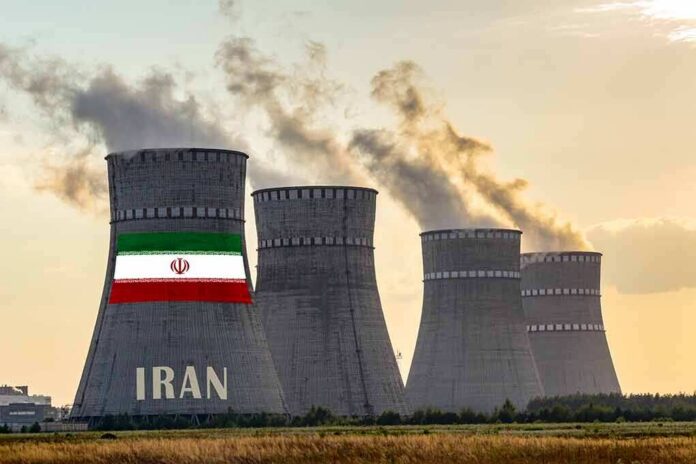
Sharp oil export declines are the backbone of the argument. Shipping data show Iranian crude loadings crashed from near 1.7 million barrels per day last year to about 260,000 barrels per day this month, with only trickle routes by truck, rail, or small boats left. That shift drains foreign currency, which funds imports and stabilizes the currency. With fewer oil dollars, the rial weakens and prices rise at home. This is the channel Bessent says will break Tehran’s finances.
Verified Pressure Points On Iran’s Economy
Blockade effects are visible on the water. Reuters reported seven weeks with no meaningful crude exports through the Strait of Hormuz, a first on record. Tankers carrying Iranian oil have turned back. Crude has piled up in floating storage as onshore tanks fill. Trade flows have fallen, raising stress on Iran’s budget and central bank reserves. These details do not predict an exact end date, but they do confirm a rare and severe squeeze on Tehran’s cash lifeline.
Washington is widening the net beyond ships. Bessent flagged new sanctions on banks and pressure on airlines and the maritime sector. The goal is to block financing and logistics that help Iran dodge trade limits. A United States official also said the blockade is squeezing oil movements and hitting the economy hard. These steps aim to narrow Iran’s remaining workarounds and raise the price of every evasion path, from small vessels to trucking routes.
How Tehran And Outside Analysts Push Back
Iranian leaders reject collapse claims. The Economic Affairs minister said the government has a two-year plan and is prepared for more sanctions. Leaders argue that sanctions are not new and that reforms, domestic output, and less use of the dollar can keep the system running. This is a political message, but it also tracks a long history of adaptation to pressure and smuggling networks that soften the blow of formal trade bans.
IRAN DROWNING ?
Recent articles from September 27–28, 2026, center on comments by U.S. Treasury Secretary Scott Bessent in a Fox News interview. He stated that Iran’s remaining exportable oil at sea would run out in about two weeks, after which Tehran would have “nothing left… pic.twitter.com/HrnV5cSh5r
— SoCalPatriot56 (@SoCalPatriot56) September 28, 2026
Independent voices urge caution on a “two-week” clock. A Reuters-cited United States official said Iranians often surprise with resiliency. Analysts quoted by major outlets say Iran’s economy is in serious trouble but not yet collapsing. They warn that Tehran may escalate rather than yield if pressure builds. These views do not deny the pain. They question whether stress alone, even this intense, can force a rapid capitulation on a fixed timetable.
Why This Fight Resonates At Home
Americans see another example of powerful players making sweeping claims while everyday people shoulder the risks. Conservatives see resolve against a hostile regime and a break with years of weak sanctions. Liberals see the dangers of open-ended pressure that can spike global oil prices and strain working families. Both sides worry that officials make bold promises while the real costs hit the public. The record shows real damage to Iran’s cash flows, but the promised clock remains unproven.
What To Watch Next
Watch actual oil movements, not slogans. If crude loadings stay near current lows and floating storage swells, cash stress will rise. If China or other buyers restart meaningful flows, the pressure eases. Track announced bank and airline sanctions, and whether partners enforce them. At home, watch fuel and shipping prices that filter into inflation. These concrete markers will show whether a two-week crisis window closes with a bang, a grind, or a pivot by either side.
Sources:
reuters.com, aa.com.tr, nytimes.com, aljazeera.com