The Justice Department says it charged 16 people in an election-fraud sweep spanning several states, raising fresh questions about how the system is policed and how often it fails.
Story Snapshot
- Justice Department announced charges against 16 people tied to illegal voting and registration crimes.
- Allegations include non-citizens voting in federal elections and false claims of citizenship.
- Related offenses cited include wire fraud, naturalization fraud, passport fraud, and gun crimes.
- Separate lawsuits seek statewide voter lists from multiple states, fueling federal-versus-state tension.
What DOJ Announced And Where The Cases Are
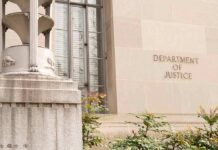
The Justice Department said it brought election-crime charges against 16 people across several states, including cases linked to non-citizen voting and false citizenship claims used to register or cast ballots. The department added that investigators also uncovered other crimes, such as wire fraud, naturalization fraud, passport fraud, and unlawful firearm purchases. News reports say the actions touch states like Texas, Idaho, Georgia, Massachusetts, Wisconsin, New Jersey, Michigan, California, Kansas, and Louisiana, reflecting a multi-state push.
The department also highlighted a separate matter involving a Russian national. In that case, prosecutors filed a superseding information alleging a conspiracy to submit fraudulent voter registrations and to give false information in registering to vote. That filing came in July 2025 as part of a broader identity-fraud scheme that led to sentencing on related charges. These filings show how election cases can overlap with identity and document fraud, not just ballot activity alone.
How Big Is The Problem, And What We Know So Far
The current filings show arrests and charges, not final judgments. The department’s own language notes that complaints, indictments, and informations are only accusations and that defendants are presumed innocent until proven guilty. The press release naming 16 defendants shows active enforcement, but it does not prove a nationwide, election-changing fraud crisis on its own. Public documents do not yet include most charging affidavits or detailed evidence for each case, which limits outside review.
Past statements also shape the debate. In 2020, then-Attorney General William Barr said federal investigators had not found fraud on a scale that would change results, describing known cases as isolated rather than systemic. Academic and policy research has often found very low incident rates, especially for non-citizen voting, though estimates vary and methods are contested. Together, these points frame the core question: isolated crimes versus systemic failure.
Records Fights, Federal-State Tension, And Public Trust
Beyond the arrests, the Justice Department sued multiple states for failing to provide statewide voter registration lists on request, signaling a push to secure data it says it needs for oversight and enforcement. A later filing expanded that effort to additional states, escalating an already sensitive fight over who controls election records and how they are used. States run elections, so federal demands can look like overreach to some. Others see them as needed to find ineligible registrations.
Political heat is also rising over motive and process. Some outlets report that senior officials pressed prosecutors to pursue voter-fraud cases aggressively, while the department has said it will follow credible leads and the law. A Senate letter accused the department of politicized tactics, reflecting deep distrust between the parties and branches. These charges, countercharges, and lawsuits land in a country where many feel powerful insiders protect their own while basic systems fall short.
Why It Matters For Voters Across The Spectrum
Every illegal vote, if proven, undermines faith that the rules are fair. Many conservatives see these arrests as overdue enforcement. Many liberals fear that aggressive tactics could chill lawful voting or be misused. Most Americans share a bottom-line demand: accurate rolls, clear rules, and equal enforcement. The current cases could deter fraud if evidence holds up, or fuel more division if details stay sealed and rhetoric outruns facts. Transparent court results will be key to trust.
What To Watch Next
Watch for unsealed charging papers, plea deals, and trial outcomes. Those documents will show which allegations stand and how schemes, if any, worked. Track whether the states hand over voter lists or keep fighting the department in court, and whether judges set limits on federal data demands. Finally, look for audited impacts. Do officials show changes to any ballot totals or only to registrations? Concrete findings, not headlines, will decide what this crackdown truly proves.
Sources:
youtube.com, justice.gov, abc7news.com, en.wikipedia.org, protectdemocracy.org, alternet.org