Israel’s defense minister declared the Golan Heights will remain Israeli “forever,” sharpening a clash with Syria and testing world rules on borders set by force.
Story Snapshot
- Israel says the Golan Heights are permanently under Israeli sovereignty.
- Syria told the United Nations the Golan “will remain Syrian” and cited international law.
- The United States recognized Israeli sovereignty over the Golan in 2019.
- The United Nations still deems Israel’s 1981 annexation “null and void.”
What Israel Said And Why It Matters
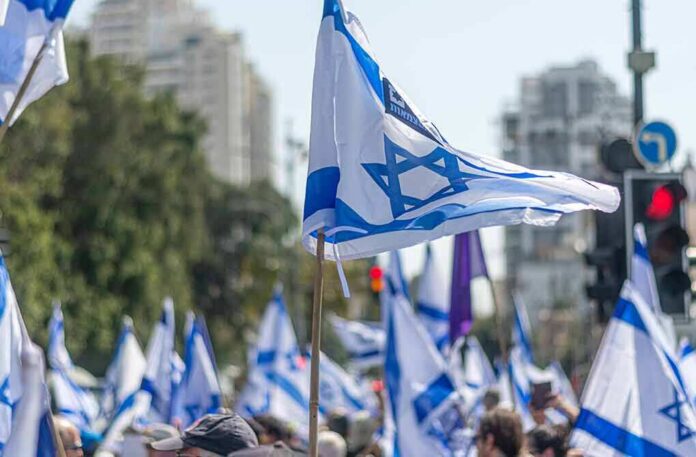
Israel’s defense minister, Israel Katz, said the Golan Heights are under Israeli sovereignty and will remain so permanently. His stance echoes long-held Israeli policy that the plateau is vital for security against threats from Syria and Iran. The political signal is clear: no return to pre-1981 lines or past security setups. The statement hardens a reality on the ground that Israel has enforced since 1967, while it challenges the global norm against acquiring land by force.
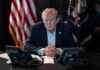
President Trump recognized Israeli sovereignty over the Golan Heights in March 2019, breaking with decades of United States policy. His proclamation stated that the United States recognizes the Golan Heights as part of the State of Israel, citing Israel’s security needs near Syria’s war zone and Iranian entrenchment there. Legal scholars and major outlets described the move as a sharp policy shift, not a global consensus. That recognition still shapes Washington’s posture today.
How Syria And The United Nations Respond
Syrian President Ahmed al-Sharaa told the United Nations General Assembly that the Golan will remain Syrian territory. He said any attempt to change its status violates international law, and he cited United Nations Security Council Resolution 497, which rejects Israel’s 1981 annexation steps as “null and void”. That resolution underpins the broader stance of most countries: Israel controls the land, but sovereignty remains disputed under international rules.
The United Nations and many governments continue to treat the Golan as occupied Syrian territory. Background briefings and court-linked analyses note that occupation is meant to be temporary and does not grant sovereignty. The Council on Foreign Relations explained that Trump’s 2019 move upended prior United States policy while most of the world held to non-recognition of annexation by force. This keeps a legal-versus-facts-on-the-ground split alive.
The Strategic Stakes On A Volatile Border
The Golan Heights overlook northern Israel and southwestern Syria. High ground, open lines of sight, and short distances make control matter in war and deterrence. Israeli leaders argue that Syria’s civil conflict, Iranian forces, and allied militias make a handover unsafe. Syrian leaders argue that allowing borders to shift by war rewards might over right, and they urge a return to the 1974 separation lines and full withdrawal, backed by the United Nations position.
Israeli Defense Minister Israel Katz on Wednesday said that the Golan Heights “under Israeli sovereignty is an inseparable part of the State of Israel forever”
His video statement came in response to Syrian President Ahmed al-Sharaa’s speech at the UN that the territory, which… pic.twitter.com/sILX8LYj0B
— The New Region (@thenewregion) September 23, 2026
For Americans, the dispute shows a broader problem that frustrates people across the spectrum. Big powers sometimes carve exceptions to rules they urge others to follow. Voters see leaders defend “principles” abroad while shifting them when interests bite at home. That gap feeds distrust that a small class writes the rules and moves the goalposts. Whether you value security first or legal order first, the mixed messages feel like more evidence that elites answer to themselves, not citizens.
What To Watch Next
Watch whether more countries join the United States in recognizing Israeli sovereignty or whether recent recognitions stall or reverse. Track any new fighting near the border, which could lock positions in place or force new talks. See if Washington, under President Trump, links further Middle East deals or aid to acceptance of the Golan status, or if it keeps the issue separate. Finally, note United Nations debates that could test the non-recognition norm again.
Sources:
insiderpaper.com, trumpwhitehouse.archives.gov, en.wikipedia.org, congress.gov, snhr.org