Your “free” weather app may be costing you far more than a few ads—because location data can turn a simple forecast into a quietly persistent form of surveillance.
Quick Take
- Reports and security warnings have tied several weather apps to aggressive location collection and broad permission requests that go well beyond forecasting.
- Android users face added risk from copycat or malicious weather apps that have been flagged for credential theft, SMS interception, and forced subscriptions.
- Much of the data that powers forecasts originates from public sources, meaning many third-party apps are “value-adding” mostly through packaging, ads, and data monetization.
- Built-in “native” weather tools on iPhone and Android can reduce exposure, but users still need to review settings and app permissions.
How a basic forecast became a data business
Weather apps surged with smartphones because they deliver fast, local forecasts built on large-scale meteorological inputs such as satellite and radar data. Much of that raw information ultimately traces back to public weather infrastructure, which is one reason so many apps can offer similar forecasts. The business model shifted when “free” apps leaned on advertising, and advertisers rewarded hyper-specific targeting—especially precise location—turning routine check-ins into a valuable stream of behavioral data.
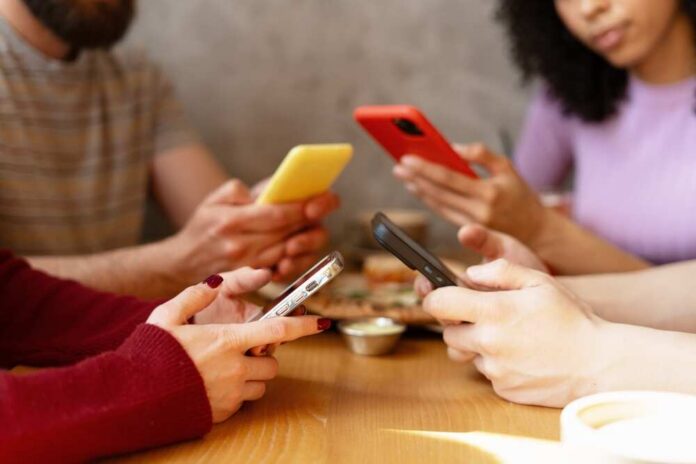
Location tracking is the key lever. A forecast is more accurate with approximate location, but many apps and ad networks prefer exact, continuous signals that can map where someone sleeps, works, worships, and shops. Security warnings highlighted another red flag: apps that ask for permissions unrelated to weather, such as contacts, microphone access, or other sensitive device functions. When apps request more access than their core job requires, the risk shifts from “convenient utility” to “always-on data collector.”
Android’s copycat problem and the malware angle
Security reporting around weather apps has also focused on outright malicious behavior, not just aggressive advertising. Researchers have flagged certain weather-themed apps on Android for behavior consistent with fraud or theft, including credential harvesting, intercepting text messages, and trapping users in unwanted paid subscriptions. Google Play’s scale makes it a tempting target for clones that imitate legitimate brands, especially when a familiar icon and a “free” download lowers user skepticism.
Not every weather app is malware, and the research available does not provide a single definitive list that remains current across every app store at every moment. That limitation matters because apps change owners, privacy policies shift, and new clones appear quickly. Still, the pattern is consistent: weather apps are a prime vehicle because they plausibly “need” location, they are used frequently, and they attract broad age groups, including less tech-savvy users who may click through permission prompts without scrutiny.
When “privacy policy” becomes a permission slip
Mainstream weather brands have faced scrutiny as well, including reports of lawsuits and allegations tied to geolocation practices. The central dispute is not whether an app can use location—most users expect that—but whether it collects more than users understand, continues collecting after settings changes, or shares data widely through third parties. These fights reveal a larger governance problem: regulators often move slowly, while app ecosystems and ad-tech relationships change quickly and remain difficult for ordinary citizens to audit.
For conservatives who already distrust sprawling institutions—whether federal agencies, large corporations, or the “deep state” narrative of unaccountable power—this story lands as a practical lesson. The surveillance dynamic doesn’t require a spy novel; it can emerge from routine incentives and weak enforcement. Liberals who worry about corporate exploitation and unequal power also see a familiar pattern. The overlap is telling: many Americans across ideologies increasingly believe the system is optimized for insiders, not for citizens who just want basic services without being tracked.
Practical ways to “escape” without giving up forecasts
Several privacy-focused recommendations in the research converge on a simple principle: reduce the number of third parties between you and the forecast. Built-in weather tools from major phone platforms often provide adequate forecasts and alerts while reducing exposure to random developers and copycat apps. Another option is to rely on non-app sources—local TV, radio, or web forecasts—especially if you only need occasional updates rather than constant background tracking tied to a device identifier.
Users can also tighten controls that don’t require technical expertise. Disable precise location unless it is genuinely needed, limit location access to “while using,” and audit app permissions for anything that doesn’t match the app’s purpose. For households trying to protect seniors, the biggest improvement often comes from removing obscure “free” weather apps entirely and sticking to one trusted option. The research does not claim a perfect solution, but it consistently argues that fewer permissions and fewer intermediaries reduce risk.
Weather apps illustrate a broader economic trend: when a product is “free,” the user often becomes part of the product. In a second Trump term with Republicans controlling Congress, calls for stronger consumer protections in digital marketplaces will still collide with competing priorities—like avoiding heavy-handed regulation that can entrench big players and crush smaller competitors. The public’s best near-term defense remains personal vigilance: treat permissions like bank keys, not like a routine pop-up.
Sources:
Top weather app became agent of surveillance
The AI revolution in weather apps: Smarter forecast
AI revolution in weather forecasting is here