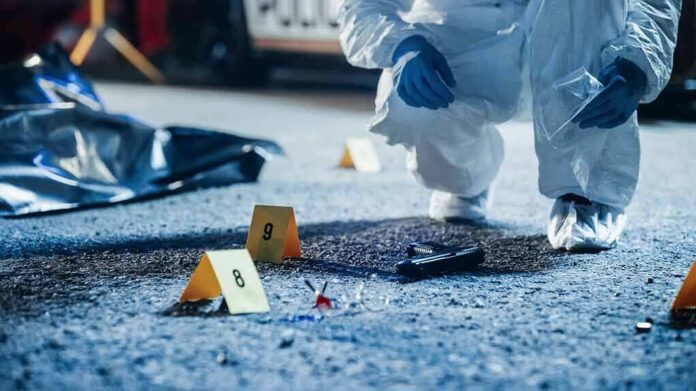
Cold-case investigators gained full access to files and evidence in Angel Harris’s 2011 murder, raising the chance that modern DNA testing could finally name her killer.
Story Snapshot
- Investigators revisited the crime scene, case file, and witnesses with Gainesville Police approval.
- New testing is being explored on items that could hold foreign DNA missed in 2011.
- Police sought a man seen on video near the time of the murder, but no arrest followed.
- Any DNA breakthrough depends on what biological material still exists for testing.
What Prompted The Renewed Push To Test
Gainesville Police granted cold-case investigators Sarah Cailean and Courtnay Roberts full access to the Angel Harris case file. They revisited the scene, spoke with original detectives, and interviewed friends and family. This access matters because it lets a new team re-check old evidence with updated tools. The 2011 record shows Harris was found behind bushes near a funeral-home parking lot, and police searched for a man caught on camera near that time. That gives clear, testable leads.
The reinvestigation centered on whether items from the scene could yield foreign DNA that earlier work missed. The episode transcript states original investigators did not lift any foreign DNA matches from Harris herself, so the focus shifted to other items that might carry touch DNA or trace material. That plan matches how many cold cases move forward. New testing often targets clothing, swabs, and objects that may hold low-level profiles left by a suspect.
What New DNA Methods Could Change
Modern labs can now work with very small amounts of DNA. They use low-template methods and can sometimes read male-specific markers to find a suspect’s line. They can also use statistical software to separate mixed DNA from several people. If a clear profile is found, police can search it against state and national databases. Some cases also use investigative genetic genealogy to look for biological relatives who can point to a name.
Success still depends on the evidence. Time, storage conditions, and handling can weaken DNA, mix it, or add contamination. The 2011 failure to recover a foreign DNA match from Harris shows how thin the material may be. New tests could help, but only if enough original biological material remains on preserved items. That is why a complete evidence inventory and chain-of-custody record are key steps before any lab work begins.
The Video Lead And The Limits So Far
Police in 2011 pursued a man seen on surveillance video near the time they believe Harris was killed. They asked the public to help identify him and said they thought the crime happened soon after the video was recorded. The reinvestigation also references a main suspect linked to camera footage, echoing that early lead. The named suspect discussed in the episode material was not arrested, and the publicly available record does not report a DNA match.
This is where modern testing could help sort competing leads. If technicians recover a usable profile from scene items, they can compare it to known persons of interest, rule people out, or prompt new interviews. If no profile emerges, investigators can still audit the video’s timing, path, and the subject’s clothing, and compare those details with witness accounts and scene findings. Either outcome would narrow the field and focus scarce resources on the best-supported path.
Why This Case Reflects A Larger Cold-Case Pattern
Cold cases across the country are moving again thanks to better science and renewed attention. But a promising technique is not the same as a solved case. The public record on Harris shows real steps forward: full case-file access, a return to the scene, witness outreach, and a plan to test specific items. It also shows the current ceiling: no disclosed laboratory profile, no database hit, and no arrest tied to new DNA findings.
That gap is familiar. Many families wait while labs process old samples under strict rules, and while police check tips that media interest can generate. Careful science can take time. In Harris’s case, the path is clear and practical: document the evidence list, test what still holds value, and search any profile through authorized systems. If that fails, pressure-test the video lead with fresh analysis and interviews. That is how cold cases turn into court cases.
Sources:
podcastlijstje.nl, music.amazon.com, podscripts.co