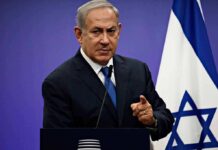
Trump’s ambitious Gaza ceasefire plan has entered its second phase, focusing on demilitarization and reconstruction. However, the path forward is fraught with uncertainty, primarily due to Hamas’s resistance to disarmament and a lack of clear timelines for Israeli withdrawal. Despite approval from the UN Security Council, the practical hurdles and ongoing resistance from key stakeholders threaten to stall the peace process and prolong instability in the region.
Story Highlights
- Phase Two of Trump’s Gaza ceasefire plan launched, focusing on demilitarization and reconstruction.
- Major uncertainties include Hamas’s resistance to disarmament and lack of a clear Israeli withdrawal timeline.
- UN Security Council approves the plan, but practical implementation remains vague.
- Concerns grow over prolonged instability and potential stalls in the peace process.
Trump’s Ceasefire Plan: Ambitious Yet Uncertain
On January 14, 2026, U.S. Special Envoy Steve Witkoff announced the transition to Phase Two of President Trump’s Gaza ceasefire plan. This phase emphasizes demilitarization, technocratic governance, and reconstruction efforts supervised by the Trump-led Board of Peace. However, significant uncertainties loom over the plan’s execution, including Hamas’s opposition to disarmament and unresolved details regarding Israeli withdrawals.
The 20-point plan, initially introduced by President Trump in September 2025, aims to reshape the Middle East peace process by linking demilitarization efforts to Israeli withdrawals and Arab normalization. Despite the plan’s endorsement by the UN Security Council, practical hurdles such as vague implementation strategies and ongoing resistance from key stakeholders, including Hamas and Israeli Prime Minister Benjamin Netanyahu, threaten to stall progress and leave the region in a precarious limbo.
The Trump administration has launched the second phase of the US-brokered deal to end Israel’s war on Gaza.
The transition moves from a ceasefire to demilitarisation and reconstruction. Here’s a compilation of what Trump envisions for the future of Gaza, in his own words. pic.twitter.com/A2D3RYg9px
— Al Jazeera English (@AJEnglish) January 15, 2026
Stakeholder Dynamics and Motivations
Key players in the ceasefire plan include President Trump, who seeks a legacy-defining win through peace and normalization, and Israeli Prime Minister Netanyahu, who demands full Hamas disarmament before Phase Two can be deemed successful. Hamas, controlling significant portions of Gaza, resists disarmament, fearing a loss of influence, while the Palestinian Authority eyes potential governance expansion as part of the plan’s framework.
Tensions are evident as Netanyahu lobbies against proceeding with Phase Two without guaranteed disarmament, highlighting the complex power dynamics at play. The Trump administration exerts diplomatic and funding pressure through the Board of Peace to drive the plan forward, but the lack of a clear timeline for Israeli withdrawals adds to the uncertainties complicating the peace process.
Potential Impacts and Future Outlook
Phase Two’s success hinges on overcoming the practical hurdles that threaten its implementation. In the short term, reconstruction efforts in designated “green zones” may provide economic and social boosts, but the risk of clashes remains if the proposed International Stabilization Force (ISF) faces opposition from Hamas. In the long term, a demilitarized Gaza under technocratic governance could pave the way for normalization and a potential pathway to Palestinian statehood.
Failure to address the plan’s uncertainties, however, could prolong aid dependency and exacerbate homelessness among Gaza residents. The broader implications of the ceasefire plan extend beyond the immediate region, as Middle Eastern stability is crucial for energy and security sectors worldwide. While international donors and firms eye opportunities in Gaza, they remain hesitant amid the plan’s unresolved issues and inherent risks.
Watch the report: Palestinians brace as US launches phase two of Gaza ceasefire plan
Sources:
- ABC News: Gaza Peace Plan Moving to Phase Two – Middle East Special
- Times Leader Online: Trump’s Ceasefire Plan Faces Great Uncertainty as it Moves into a New Phase
- Mondoweiss: The U.S. Has Announced Phase 2 of the Gaza Ceasefire