Bank of America’s repeal of its “viewpoint” rule aligns with a new federal executive order banning politicized debanking, setting a nationwide standard for viewpoint neutrality in financial services.
At a Glance
- Bank of America amended its code of conduct to prohibit religious viewpoint discrimination in June 2025
- The move follows activist campaigns, shareholder pressure, and congressional scrutiny
- President Trump’s August 2025 executive order bans political and religious viewpoint debanking nationwide
- Federal regulators are now reviewing past debanking actions for possible enforcement
- Other major U.S. banks had already ended similar policies before Bank of America’s change
Bank of America Reversal
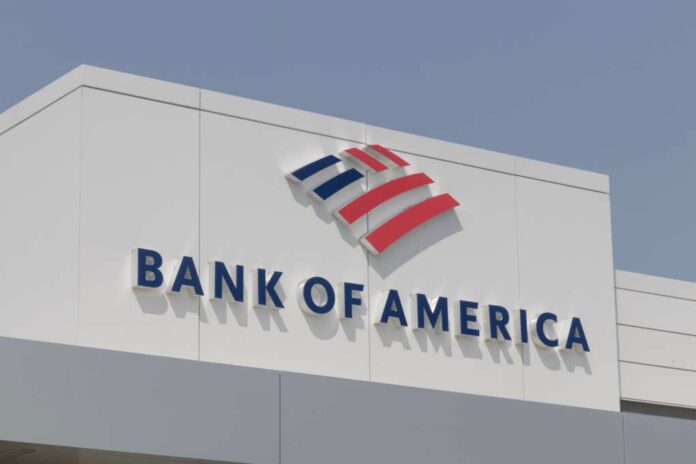
In June 2025, Bank of America became the final major U.S. bank to repeal its policy allowing services to be denied based on political or religious viewpoints. The amendment to its code of conduct followed years of criticism from conservative and religious organizations, which claimed that the bank had engaged in selective account closures targeting their activities. Activist investor Jerry Bowyer and allied advocacy groups organized shareholder votes and media campaigns urging the bank to abandon its “viewpoint” rule.
The bank’s reversal came after similar moves by other large institutions, marking the end of a practice that had become a flashpoint in debates over fairness and neutrality in banking. Congressional hearings and reports had highlighted how reputational risk standards were being used to justify service denials for clients with controversial political positions.
Watch now: Trump Signs Executive Order on Politicized Debanking · YouTube
Lawmakers across several committees warned that these standards risked excluding lawful organizations from the financial system. The reversal was also shaped by heightened political pressure as the Trump administration prepared a national directive to ban such practices outright.
Federal Action and Industry Shift
On August 7, 2025, President Trump signed an executive order mandating equal banking access and prohibiting discrimination based on political or religious beliefs. The order directs the Office of the Comptroller of the Currency, the Federal Deposit Insurance Corporation, the Federal Reserve, the Small Business Administration, and the Consumer Financial Protection Bureau to implement and enforce these rules.
Regulators are now tasked with reviewing past cases where debanking may have been based on viewpoints, with the possibility of enforcement actions or referrals to the Department of Justice. The measure’s immediate effect has been to bring all major U.S. banks into compliance with the new standard, closing gaps left by voluntary corporate policy changes.
For financial institutions, the directive introduces new compliance requirements and increases legal exposure for past decisions. Conservative and religious organizations previously denied banking services may now see accounts reinstated.
Long-Term Outlook
Analysts expect the U.S. banking industry to move toward explicit viewpoint neutrality in risk assessments and client acceptance policies. While this shift may reduce politicization in banking, it could also prompt new litigation over past account closures and raise operational challenges for compliance teams.
Internationally, banks doing business in the United States may reassess policies to avoid conflicts with the executive order’s mandates. The development sets a precedent in anti-discrimination enforcement within financial services, balancing lawful risk management with obligations for equal access.
Industry observers note that the alignment of activist pressure, congressional oversight, and federal executive action makes this a rare instance of coordinated influence reshaping banking standards. The case may serve as a model for how regulatory and market forces can converge to alter corporate practices across an entire sector.
Sources