

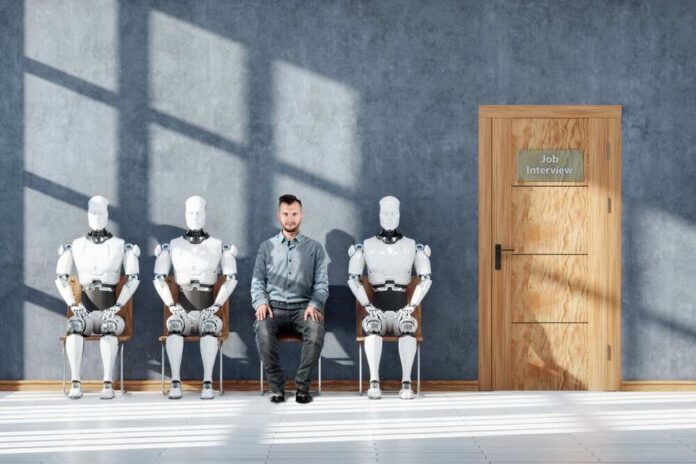
Japan’s “robot hotel” craze shows what happens when automation replaces people: you save labor, but you also hand everyday life over to machines that still can’t do the basics.
Story Snapshot
- Henn-na Hotel opened in 2015 in Nagasaki and was recognized by Guinness as the world’s first robot-staffed hotel.
- Some locations feature robot dinosaur receptionists, while others use humanoid robots or even hologram “dinosaurs,” depending on the property.
- The chain’s pitch centers on cutting staffing costs and standardizing routine service through automation.
- Even with heavy automation, humans still handle key tasks and oversight because robots remain limited in real-world operations.
The Robot Dinosaur Hotel That Went Global
Henn-na Hotel launched its first property on July 17, 2015, at the Huis Ten Bosch theme park in Sasebo, Nagasaki Prefecture, Japan. Guinness World Records later recognized it as the first robot-staffed hotel in the world, cementing the brand’s place as a headline-grabbing experiment in automated hospitality. The concept leaned into spectacle—robot receptionists, including dinosaurs at certain sites—while promising efficiency and lower labor costs through technology-driven check-in and services.
H.I.S. Hotel Holdings, the operator behind the chain, expanded the concept beyond the original theme-park setting. By 2018, reporting indicated nine Henn-na Hotel locations operating across Japan, with additional openings planned before 2019. Several properties were positioned near major tourist hubs, including the Maihama Tokyo Bay area near Tokyo Disneyland, plus central Tokyo districts. That location strategy matters: the “robot hotel” sells novelty, and novelty sells best where travelers are already primed for experiences.
What the Robots Actually Do—and What They Still Can’t
The hotels deploy multiple kinds of automation rather than one all-purpose “AI butler.” Reception can be handled by humanoid “actroid” robots or dinosaur-themed systems that greet guests and support multiple languages, including Japanese and English. Other machines handle narrow tasks like luggage sorting, and some rooms include small concierge-style robots that can provide basic information and control certain room functions. The setup is designed to standardize the predictable parts of hospitality service.
Hotel managers have also acknowledged practical limits, including the blunt reality that robots still can’t make beds, and humans continue monitoring security cameras. That gap between marketing and daily operations is the key detail for readers tracking where automation actually works. The story isn’t “robots took over”; it’s that labor gets reduced, job roles shift, and guests deal with an experience that can be smoother for simple steps but less adaptable when problems pop up.
Labor Savings Versus Service Reality
One of the most concrete metrics reported about the model was staffing reduction at the original Nagasaki property. Coverage described a 144-room operation that cut staffing from roughly 40 employees down to 7, illustrating the chain’s central business case: replace routine front-desk and support functions with machines to shrink payroll. For any country facing rising costs, that kind of savings is tempting—even as it raises questions about reliability and the long-term impact on jobs.
At the same time, the available reporting suggests the model functions as a hybrid, not true “lights-out” automation. Robots handle repetitive motions and scripted interactions; humans step in for complex judgment calls, room issues, and oversight. That matters for Americans watching the broader automation trend back home. When technology companies promise frictionless service, the fine print often looks like this: fewer workers, more kiosks, and a backstop of human staff when the system fails.
Why Conservatives Should Pay Attention in 2026
In 2026, many conservative voters are juggling more immediate pressures—energy costs, inflation memories, and deep frustration that Washington can still drift into overseas conflicts despite “no new wars” expectations. The Henn-na Hotel story isn’t about geopolitics, but it rhymes with what many Americans are living through: institutions chasing efficiency and control, while ordinary people absorb the consequences. Automation can lower costs, but it can also centralize power in systems that are hard to question or override.
Limited data is available on the chain’s exact status after the 2018 expansion figures, and the sources provided do not document 2026 operating numbers or profitability. What is clear is the basic trade-off the brand represents: standardized, machine-run interactions that reduce payroll and change the meaning of “service.” For Americans wary of top-down social engineering and one-size-fits-all systems, the question is simple—who benefits when human judgment gets replaced, and what happens when the machine gets it wrong?
Inside world's first hotel staffed by futuristic robot dinosaur receptionistshttps://t.co/P1NNQ14xe2 pic.twitter.com/8hOqp9Tzrl
— Mirror Weird News (@MirrorWeirdNews) March 27, 2026
Sources:
We stayed in a hotel with robot dinosaur receptionists, Japan & it was brilliant
The World’s First Robot Hotel Has a Dinosaur Receptionist
Henn na Hotel: Transforming the Hospitality Industry with Robots
At This Japan Hotel, Dinosaurs Check You In At The Reception; Watch Viral Video