Romania says more than 40 drone incursions this year and takes its case to the United Nations, sharpening fears that war risks are creeping into NATO territory.
Story Snapshot
- Romania reports repeated airspace breaches and calls an emergency United Nations meeting.
- Bucharest expels a Russian diplomat, summons the ambassador, and warns of further measures.
- The defense ministry says NATO air policing shot down a drone over Romania’s territory.
- Officials call the strikes an escalation but say intent to target Romania is unproven.
What Romania Says Happened—and Why It Matters
Romania’s foreign minister said the country saw more than 40 drone incursions into its airspace in 2026. She framed the pattern as a direct security issue for a North Atlantic Treaty Organization member and convened an emergency United Nations Security Council meeting, a first for Romania on a matter of its own security. Romanian leaders labeled the breaches violations of sovereignty and international law. They said Russia bears responsibility for incidents tied to its war on Ukraine.
Officials in Bucharest described one crash in the city of Galați as a serious and irresponsible escalation and said the downed device was of Russian origin. They summoned the Russian ambassador after that incident and warned that Romania had a set of measures prepared following talks with the president. The Russian government denied the accusations and called the complaints groundless, keeping the diplomatic dispute active and tense.
Concrete Actions: Diplomatic Moves and Air Defense
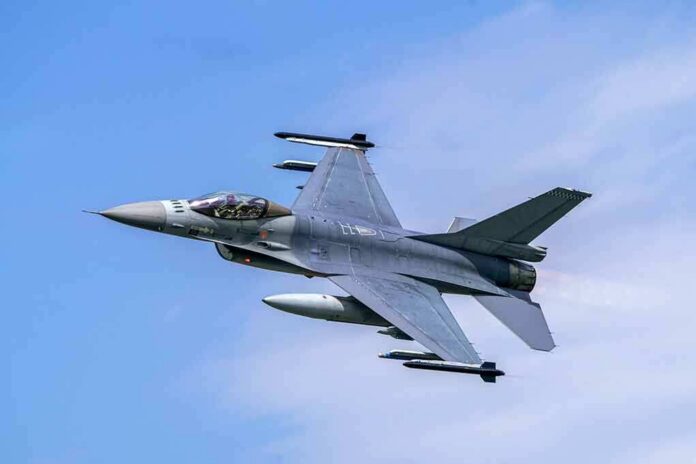
Romania expelled a Russian diplomat and recalled its own ambassador for consultations after repeated violations. The foreign ministry said such steps were a clear, firm response that assigned responsibility to Moscow for the security deterioration. The defense ministry reported that a North Atlantic Treaty Organization air policing mission shot down a drone that breached Romanian airspace, the fourth such shootdown in the country this year, showing that allied defenses are actively engaged.
Romanian leaders also pushed allies to bolster air defense along the alliance’s eastern flank. They said Bucharest was prepared to respond both militarily and diplomatically to protect citizens on its territory. That mix of moves signals deterrence, emergency coordination, and a desire to show control to a worried public near a war zone. For many readers, this pattern echoes a broader fear: when borders blur, regular people pay the price while elites trade statements.
What Is Known—and What Is Not
Romania’s foreign ministry told reporters it lacks evidence that the incidents were deliberate attempts to target locations inside Romania. Officials still hold Russia responsible for breaches tied to its war, but they admit intent remains unclear. That split matters. It shows strong rhetoric about risk and sovereignty, yet it stops short of proving a directed campaign against Romania itself. It also undercuts claims that Bucharest has confirmed a plan to condition the public for war.
Putin is not negotiating. He is opening a second front. The map your tax bill is priced against just changed — and almost nobody in Western capitals is updating it.
1. Russia opened a new attack axis in Sumy Oblast this week — cross-border operations at Putyvl and Vovkivka, per…
— WW3 Watchtower (@WW3Watchtower) August 24, 2026
The record here relies on named statements, a United Nations session, specific diplomatic steps, and one shootdown reported by the defense ministry. Critics argue the state is priming people for war through alarm language. The available sources show tough talk and readiness, but they do not include internal memos or a coordinated public-conditioning plan. Until such materials surface, the safer read is crisis management with deterrence, not proof of a psychological campaign.
Why Americans Should Care
Border states in the North Atlantic Treaty Organization are absorbing more risk as the Ukraine war grinds on. Each breach tests how far the alliance will go to shield its people without dragging millions into a wider war. Americans know this pattern at home: leaders talk tough, agencies grow, and budgets swell, while families worry about prices, safety, and truth. Clear facts, not spin, must guide choices that could send our troops or our tax dollars into harm’s way.
What To Watch Next
Watch for the release of technical reports on drone fragments, including chain-of-custody details that confirm origin. Track whether Romania expands civil defense drills, air raid guidance, or public alerts alongside the rhetoric. Look for allied air defense deployments on Romania’s coast and the Danube, and for any new red lines from NATO leadership. Finally, watch Moscow’s reaction; more denials paired with new incursions would raise the risk of miscalculation on a crowded border.
Sources:
thegatewaypundit.com, abcnews.com, reuters.com, unn.ua, aljazeera.com, press.un.org, en.wikipedia.org