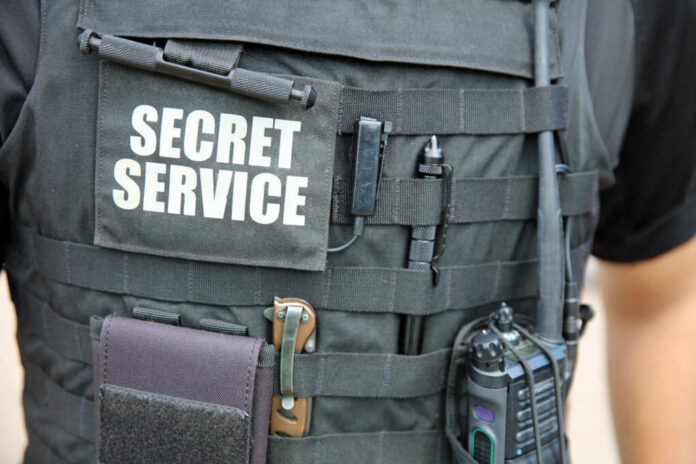
From October 7 to 9, 2025, the U.S. Secret Service, in collaboration with local and federal agencies, conducted a large-scale operation in New York targeting card skimming and EBT fraud. This initiative led to the confiscation of 65 illegal skimming devices from 943 businesses, preventing an estimated $67.8 million in potential fraud losses. This operation marks the largest single seizure of skimming devices in New York’s history.
Story Highlights
- A U.S. Secret Service operation prevented an estimated $67.8 million in fraud losses.
- 65 skimming devices were seized in what is described as the largest such seizure in New York’s history.
- The operation focused on protecting vulnerable EBT recipients from fraud.
- Multi-agency collaboration was a key component of the operation’s success.
The operation involved a multi-jurisdictional approach, including educating businesses to increase awareness and vigilance against future incidents. A similar effort in May 2025 resulted in the confiscation of 55 skimmers. These operations are designed to counter fraud schemes that disproportionately affect low-income families who rely on EBT benefits.
Payment card skimming involves criminals installing covert devices on card readers to steal card data. The increasing sophistication of this technology has led to a rise in skimming incidents nationwide, with a particular focus on EBT cards. New York, due to its high density of EBT recipients, has been identified as a target for these fraudsters, with skimmers often found in high-traffic locations such as grocery stores and gas stations.
Law enforcement agencies, including the NYPD and Homeland Security Investigations, worked closely with the Secret Service. Special Agent in Charge Matt McCool led the operation, which aimed to protect vulnerable communities and maintain public trust.
The immediate outcome of this operation is the prevention of $67.8 million in potential fraud losses. Long-term implications include increased awareness among businesses, which could deter future skimming attempts, and pressure on payment technology providers to enhance security measures for consumers and government assistance programs. Financial crime experts emphasize the importance of adopting chip and contactless payment technologies to reduce skimming risks, while social policy analysts highlight the need for continuous consumer education and account monitoring to protect vulnerable populations.
Sources: