California regulators were forced to apologize after their own public comments made SpaceX’s claim of political bias impossible to ignore.
Quick Take
- SpaceX sued the California Coastal Commission after a 2024 vote blocked a U.S. Air Force plan to raise Falcon 9 launches at Vandenberg from 36 to 50 per year.
- Court filings tied to the 2026 settlement show the Commission acknowledged and apologized for “improper” statements reflecting political bias against Elon Musk.
- The Commission agreed it will not consider Musk’s political beliefs—or SpaceX’s labor practices—when making future decisions related to the launch program.
- The settlement also removed a major permitting hurdle by waiving Coastal Commission coastal development permit requirements for the Falcon 9 launch program at Vandenberg.
How a Launch Expansion Turned Into a First Amendment Fight
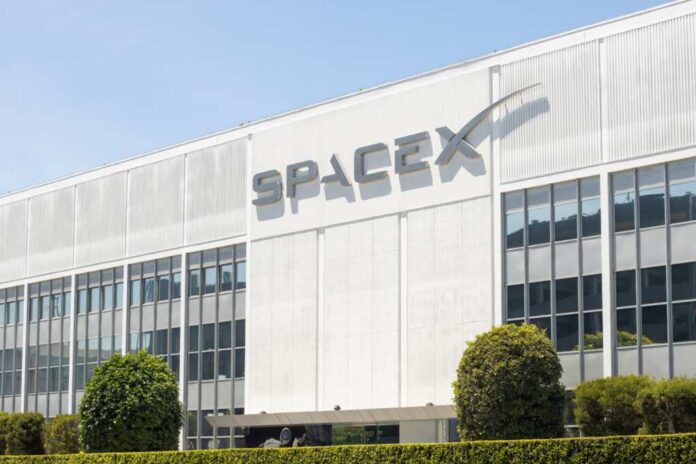
California’s Coastal Commission voted in October 2024 to reject a proposed increase in Falcon 9 launches from Vandenberg Space Force Base, even though the request was submitted through the U.S. Air Force. The plan sought to raise annual launches from 36 to 50. While commissioners discussed environmental issues such as wildlife and coastal access, multiple statements during the hearing referenced Elon Musk’s politics, setting up SpaceX’s argument that viewpoint discrimination drove the outcome.
SpaceX filed suit in Los Angeles federal court days later, naming the Commission, its executive director, commissioners, and an alternate commissioner. The complaint centered on constitutional claims that the state agency punished protected speech and applied rules unevenly. The timeline mattered: Musk publicly signaled legal action after the vote, then the company moved quickly in court, turning what usually looks like a permitting dispute into a broader test of political neutrality in regulation.
What the Coastal Commission Apologized For—and What It Didn’t Admit
The case ended in early 2026 with a settlement filing that permanently dismissed the lawsuit without an admission of liability. That detail matters for readers who want a clean legal ruling: there wasn’t one. Still, the settlement included something rare in modern administrative combat—an apology. The Commission acknowledged that certain statements made during the October 10, 2024 hearing were “improper” and reflected political bias, and it apologized for them.
The settlement also drew bright lines about what the Commission will not do going forward. According to coverage of the agreement, the Commission committed not to consider Musk’s political beliefs when acting on matters tied to the launch program. It also agreed not to weigh SpaceX’s labor practices in that context. For critics of “everything-is-political” governance, that concession reads like an attempt to restore a basic rule: government agencies should decide permits on facts and statutory standards, not on ideological grievances.
The Permit Question: Federal Property, State Leverage, and a Major Concession
A second dispute ran underneath the politics: whether SpaceX needed its own coastal development permit for launches at Vandenberg. The base is federally owned, which can limit the reach of certain state requirements, but the Commission argued in 2024 that SpaceX’s role as a private company changed the equation. Earlier arrangements had treated many launches as tied to military activity. In the settlement, the Commission waived coastal development permit requirements for the Falcon 9 launch program—an operational win for SpaceX.
That waiver has practical consequences, even for people who don’t follow rocket schedules. Launch cadence affects national security payloads, commercial satellite deployment, and Starlink growth. At the same time, coastal communities and environmental advocates worry about the cumulative footprint of more launches, including noise and local impacts. The available reporting does not detail new environmental mitigation terms in the settlement itself, so readers should be cautious about assuming the agreement resolved every community concern beyond the permitting and bias issues.
Why This Story Resonates Beyond SpaceX
This dispute landed at a time when many Americans—right, left, and politically exhausted in the middle—suspect that regulators and institutions enforce rules unevenly depending on who is speaking. Conservatives see a familiar pattern: a powerful state body publicly signals hostility toward a high-profile figure’s views, then tries to dress the decision up as “process.” Liberals, meanwhile, often argue that agencies must remain strong enough to police environmental harm, even when the regulated party is politically controversial.
SpaceX Lawsuit Forces California Agency to Admit Bias Against Elon Musk and Back Downhttps://t.co/0yh3KZ1uF5
— RedState (@RedState) April 30, 2026
The strongest verified takeaway from the settlement is narrow but important: a government commission formally distanced itself from political litmus tests after being challenged in court. That is not a sweeping verdict on California’s coastal policy, nor proof that every environmental objection was pretext. It is, however, a cautionary example for any agency in a polarized era—once officials start editorializing about a citizen’s politics from the dais, they risk turning routine governance into constitutional litigation and, ultimately, an embarrassing retreat.
Sources:
Elon Musk’s SpaceX sues California Coastal Commission after launch denial
Elon Musk gets an apology from California regulators as a SpaceX lawsuit is settled
California Coastal Commission apologizes to SpaceX after lawsuit over Musk’s politics
Elon Musk gets apology from California regulators as a SpaceX lawsuit is settled