
U.S. Marines forcibly seized an Iranian-flagged cargo vessel attempting to breach a military blockade, marking the first time in decades American forces have disabled and commandeered a foreign ship defying direct orders on the high seas.
Story Snapshot
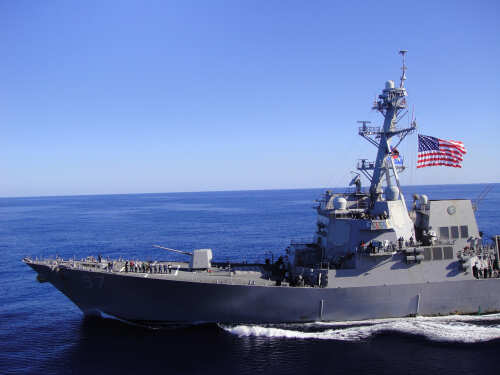
- USS Spruance destroyer disabled the 900-foot M/V Touska by firing into its engine room after six hours of ignored warnings
- Marines from the 31st Marine Expeditionary Unit fast-roped onto the ship under darkness, taking control without resistance
- President Trump announced the seizure publicly, stating Marines were inspecting cargo to determine what the vessel carried to Iran
- The operation demonstrated America’s willingness to use military force to enforce the week-old Iranian port blockade
Blockade Enforcement Turns Deadly Serious
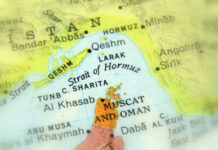
The USS Spruance intercepted the M/V Touska on April 19, 2026, as the Iranian-flagged vessel transited the north Arabian Sea at 17 knots toward Bandar Abbas, Iran. Over six hours, U.S. forces issued multiple warnings to the cargo ship’s crew, demanding compliance with the newly established blockade. When the vessel refused to change course, the destroyer fired several rounds from its 5-inch MK 45 gun directly into the engine room, crippling the ship’s propulsion system and forcing it dead in the water.
Marines Execute High-Risk Boarding Operation
Under cover of darkness, Marines from the 31st Marine Expeditionary Unit launched from the USS Tripoli amphibious assault ship. Specialized Maritime Raid Forces fast-roped from helicopters onto the nearly 900-foot vessel’s deck, a dangerous maneuver requiring months of training. The boarding team encountered no armed resistance from the crew, quickly securing the ship and establishing U.S. military custody. This marked the first successful seizure under the blockade, which had been announced just one week earlier as part of escalating tensions with Iran.
Trump Announces Cargo Inspection Underway
President Trump announced the seizure on social media April 19, declaring the Navy “stopped them right in their tracks by blowing a hole in the engineroom.” He confirmed U.S. Marines held custody of the vessel and were actively “seeing what’s on board.” The public announcement signaled high-level political involvement in blockade enforcement strategy. The M/V Touska had departed Malaysia before being tracked by the Epic Fury blockade task force as it approached Iranian waters through the strategically critical Strait of Hormuz region.
Blockade Establishes New Maritime Enforcement Regime
The 31st Marine Expeditionary Unit, comprising 2,200 personnel based in Okinawa, Japan, arrived in the Middle East on March 28, 2026, positioning forces for the blockade enforcement mission. The operation demonstrated coordinated capabilities between naval firepower and specialized boarding teams, establishing precedent for forcible seizure of non-compliant vessels. This action sends an unmistakable message to international shipping companies: attempting to breach the blockade carries serious consequences. The seizure effectively isolates Iran from maritime commerce without requiring repeated military interventions, as shipping operators now understand the risks of defying U.S. naval orders in the region.
Sources:
Task & Purpose: Marines Sea Raids
Wikipedia: 31st Marine Expeditionary Unit
Good Morning America: How US Naval Blockade Works
Fortune: Trump Marines Custody Seizure Iranian Flagged Cargo Ship
Foundation for Defense of Democracies: 8 Things to Know About Marine Expeditionary Units