California’s rush into rooftop solar now meets a six-day warehouse inferno, toxic smoke, and emergency orders across Los Angeles.
Story Snapshot
- Officials say smoldering hot spots under debris and solar panels kept the Boyle Heights fire alive for days [1].
- Los Angeles and California issued emergency declarations to unlock resources and aid residents [2][10][11].
- Shelter-in-place orders followed ammonia hazards and later a suspected lithium-ion battery flare-up [3].
- Air quality advisories stretched across multiple communities as smoke lingered [11].
Officials Detail Ongoing Hazards From Smoldering Solar Roof
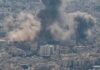
Fire commanders reported deep pockets of fire trapped under collapsed debris and solar panels days after the roof first ignited. Los Angeles Fire Department leaders said the stubborn, hidden heat made entry dangerous and slowed full extinguishment. The tenant, Lineage Logistics, said it believes the blaze began during testing by contractors on the rooftop solar array, while investigators continue to review the precise cause. Crews also worked around concerns linked to lithium-ion powered forklifts inside the facility, which increased risk on scene [1].
Emergency managers stressed why the response had to be large and fast. Smoke drifted across a wide area, and the scale of the cold storage site created complex hazards. The Los Angeles mayor and the California governor each declared emergencies to mobilize equipment, coordinate agencies, and open relief centers. Those declarations allowed the city and state to bring in specialized water cannons, run air monitoring, and help residents find clean-air shelters while firefighters broke open walls to reach hidden flames [2][10][11].
Shelter-In-Place Orders Tied To Ammonia And Battery Risks
Authorities issued a six-hour shelter-in-place order on day one after an interior ammonia line was compromised, then lifted it that evening. The order returned the next day when mop-up crews found a burning pocket in a freezer and detected hydrogen fluoride, which pointed to a lithium-ion battery heating up, likely from a forklift. Officials told residents to close windows, shut off ventilation, and limit outdoor activity while the South Coast air district extended pollution advisories [3].
Public health officials focused on smoke and fine particles that can irritate the lungs and aggravate heart and breathing problems. Sensitive residents were urged to wear well-fitting masks if they had to go out. While the company said community ammonia readings were not measurable, commanders still warned about potential biohazards from spoiling food inside the damaged building. Two smoke relief centers opened to offer cleaner air and support as crews continued the difficult firefight [1][2].
Cause Still Under Investigation As Solar Work Draws Scrutiny
Lineage Logistics stated that no final cause had been determined as of June 21, even though the company believes the fire began during rooftop solar maintenance by subcontractors. Local reporting described intense heat racing across the high-voltage solar array. Leaders emphasized the investigation remains active, with officials also noting that structural instability and concealed hot spots delayed full access for cause-and-origin teams. The timeline reflects a common pattern in large industrial fires: protect the public first, confirm the cause later [10][11].
Councilmember Jurado remains committed to Boyle Heights residents impacted by the warehouse fire. We’ve distributed 18,000+ N95 masks, 350 air purifiers, and connected families to resources. We’re pushing for a transparent cleanup that prioritizes community health and safety. pic.twitter.com/qshTEvNlQw
— Councilmember Ysabel Jurado (@cd14losangeles) June 22, 2026
For many readers, this event exposes a hard truth. Heavy green infrastructure on aging structures can add fire load, hazard complexity, and downtime when things go wrong. Here, the solar-covered roof and on-site lithium-ion equipment forced a careful, grinding fight that lasted days. The emergency calls, shelters, and health warnings were not hype. They were the logical response to a multi-day fire with hidden heat, chemical concerns, and a plume that reached well beyond the block where it began [1][3][11].
What It Means For Families, Safety, And Accountability
Families in the smoke zone want straight answers and fast action. They deserve both. City and state leaders used emergency tools to protect people. That was the right call given the evolving hazards. Now, accountability matters. Investigators need clear access, unredacted maintenance records, and transparent findings on the rooftop solar work. If contractor errors or poor oversight fueled this disaster, taxpayers and neighbors should not bear the cost. Clear rules and stronger inspections must follow the facts, not politics [2][10].
Conservatives can agree on two firm principles here. First, public safety beats green talking points. When solar systems and batteries sit on massive facilities near homes, strict standards and real enforcement must come first. Second, local leaders must put residents ahead of special interests. Relief centers, honest health updates, and a full, public report are the minimum. A clean grid cannot come by cutting corners on safety. It must be built with common sense, hard testing, and respect for the people who live next door [1][11].
Sources:
[1] Web – (VIDEO) Los Angeles Warehouse Fire Rages Into SIXTH Day as Newsom …
[2] Web – L.A. state of emergency: What we know about Boyle Heights fire
[3] Web – “Incredible headway” made in Boyle Heights warehouse blaze, LA …
[10] Web – Knockdown in sight after firefighters gain upper hand on … – LAist
[11] Web – What we know about the Boyle Heights warehouse fire in Los Angeles