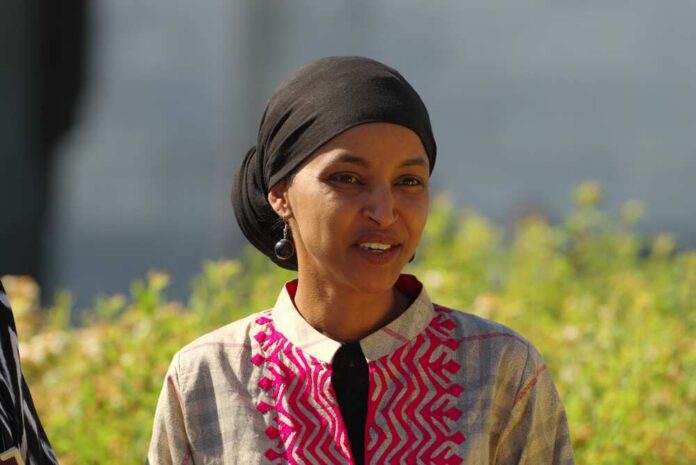
Rep. Ilhan Omar’s 2019 apology for using anti-Semitic tropes is back in focus as new calls press her to release office records tied to a massive Minnesota fraud probe, reviving a fight over influence, transparency, and trust in Washington.
Story Highlights
- Omar apologized in 2019 for tweets widely condemned as anti-Semitic and deleted the posts.
- She said her aim was to criticize lobbying power and vowed to keep pushing on money-in-politics.
- Pro-Israel groups and bipartisan leaders rejected her framing and demanded an apology.
- Separate Minnesota fraud inquiries now seek Omar’s office emails, fueling fresh transparency demands.
What Omar Said, What She Apologized For
In February 2019, Rep. Ilhan Omar wrote posts that linked political support for Israel to money, including a line about “Benjamins.” Democratic leaders, including then Speaker Nancy Pelosi, and Republican leaders said the words used anti-Semitic tropes about Jews and money. Omar issued a public apology, saying anti-Semitism is real and that she was grateful for Jewish allies who educated her. She also removed the tweets after the outcry.
Omar said her intent was to highlight lobbying influence in Washington and not to target the Jewish community. She cited the American Israel Public Affairs Committee, the National Rifle Association, and fossil fuel interests as examples of powerful lobbies. She pledged to keep pushing on the role of money in politics, which she called a long-standing problem. That stance won support from some who see special interests as warping policy. But it did not end the dispute over her words or their impact.
Why Many Saw a Line Crossed
Both parties said the “Benjamins” remark echoed old and harmful ideas that tie Jewish people to wealth and secret control. Pro-Israel advocates denied her charge and said the claim was false and dangerous. News outlets reported the apology came after pressure from House leaders, which led some to see it as reactive. That framing made it harder for Omar to persuade critics that her aim was policy reform, not prejudice.
The clash fits a pattern in U.S. politics where criticism of pro-Israel lobbying can collide with the history of anti-Jewish stereotypes. Supporters argue that debates about lobbying are fair game. Critics argue that certain phrases carry a loaded past that cannot be separated from hate. That tension fueled headlines then and still shapes how voters read new claims and counterclaims tied to Omar’s judgment and credibility.
New Transparency Demands Tied to Minnesota Fraud
Separate from the 2019 tweets, Minnesota lawmakers and media have pressed for emails and texts between Omar’s office and people charged in a major free-meals fraud case. The chair of a state fraud committee asked Republicans in Congress to help secure Omar’s records, citing repeated, unanswered requests. Conservative media say documents show communications occurred, and they argue the records should be public. No court has found that the communications prove knowledge of fraud.
Omar has called claims tying her to the fraud “flat-out false,” and there is no judicial finding that she or her staff knew of criminal acts. A convicted figure in the case accused Omar of knowing about the fraud in a jailhouse interview, but that is an allegation, not a legal ruling. The push to unseal records highlights a broader worry many Americans share: leaders talk about accountability, but key emails and messages often stay out of view until forced into the light.
What This Says About Power, Speech, and Trust
The 2019 episode shows how a few words online can trigger bipartisan backlash when they echo painful history. The current records fight shows how fast public trust erodes when officials resist disclosure. Voters on the right and left see a common problem: powerful players shape the rules while the public gets edited facts. Clear standards can help. That means precise speech about policy, fast release of relevant records, and independent checks that do not bend to party needs.
What To Watch Next
Watch whether Congress or courts compel release of Omar’s office communications related to the fraud inquiry. Track whether Omar advances any new bills on lobbying and money in politics that put her intent into action, not just words. Note how party leaders handle similar speech by allies and opponents. Equal standards build trust; double standards break it. Transparency and consistent rules, not social-media spin, will decide how much faith the public keeps in its government.
Sources:
twitchy.com, cbsnews.com, thehill.com, bbc.com, youtube.com, facebook.com