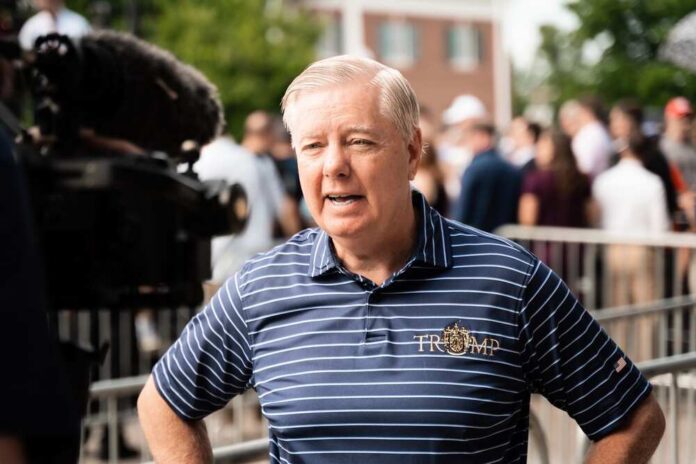
Senator Lindsey Graham’s sudden death has already turned into a fight over facts, fear, and the empty space left by missing medical details.
Quick Take
- Graham died at 71 after his office said he had a **brief and sudden illness**.
- Emergency workers were reportedly called for a **cardiac arrest** at his home.
- He had been in Ukraine just one day earlier and had posted online two days before his death.
- No public autopsy, toxicology report, or official poisoning investigation has been released.
What Is Confirmed So Far
Multiple news outlets reported that Graham died on Saturday after a brief and sudden illness, and his office gave no further medical detail. CBS News also reported that an emergency phone call mentioned a dispatch for cardiac arrest at a residence linked to the senator. That is the clearest public clue so far, but it does not explain the cause. The available reporting shows a sudden medical emergency, not proof of foul play.
The timing has fueled fast speculation because Graham had remained active right up to the end. CBS News reported that he had visited Ukraine on Friday and met President Volodymyr Zelenskyy, who later called him a strong supporter of Ukraine’s defense. Other reports said Graham had posted on social media two days before his death. Those details matter because they show he was publicly engaged, but they do not change the basic fact that no cause has been publicly disclosed.
Why the Poisoning Claims Are Weak
The strongest public sources do not support a poisoning theory. The office statement says only that Graham died from a brief and sudden illness and asks for privacy. Mainstream reports repeat that same explanation and do not mention foreign involvement. No autopsy report, toxicology result, witness account, or official federal investigation has been released to back claims that Iran or Russia played a role.
The main hostile foreign-sentiment claim comes from a report that Iranian television mocked Graham’s death, but that allegation is not confirmed by the major news coverage in the research set. Graham was known for hard-line views on Iran and for strong support of military power abroad, which makes him an easy target for online rumor and political framing. That does not make the poisoning claim true. It only explains why it spread so fast.
IRANIAN STATE TV REACTS: Iranian state television celebrated the death of Senator Lindsey Graham, reportedly telling viewers, I congratulate the Iranian people and claiming he had been sent to hell, a chilling response that underscored the regime’s hostility toward one of its… pic.twitter.com/vZNiTjJQTo
— NewYork-Insight (@NewYork_Insight) July 12, 2026
What This Means Politically
This story fits a wider pattern in American politics. When a prominent figure dies suddenly, both supporters and critics rush to build a larger meaning around the event. Some see hidden enemies. Others see a cover-up. In this case, the lack of detailed medical information leaves room for suspicion, while the uniform reporting from major outlets pushes the public toward a natural-cause explanation. That gap is where distrust grows.
Graham’s death also lands in a climate where many Americans already doubt elite institutions. Supporters will remember him as a forceful national security voice and a close Trump ally. Critics will remember his role in the country’s foreign policy fights. But the current record does not show evidence of assassination, and it does not show evidence of poisoning. What it does show is how quickly a major death can become a test of public trust.
Sources:
thegatewaypundit.com, npr.org, apnews.com, kcra.com, facebook.com