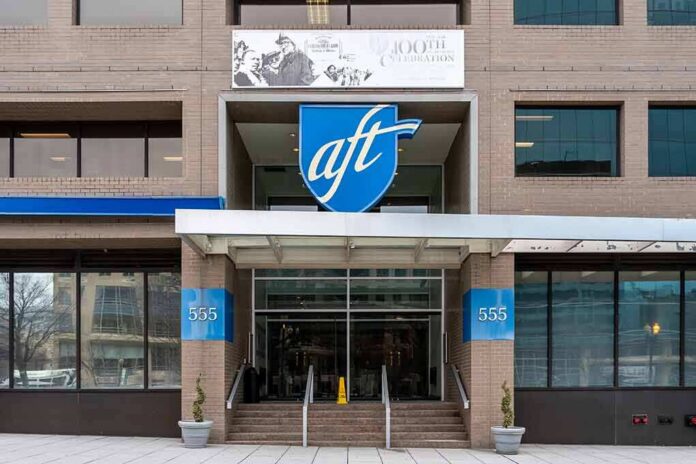
America’s second-largest teachers’ union is urging a Target boycott until the retailer denounces immigration abuses and restores its diversity pledges, putting classrooms, pensions, and culture-war pressures on a collision course.
Story Highlights
- The American Federation of Teachers adopted resolutions urging members to avoid Target over immigration enforcement and diversity rollbacks.
- AFT President Randi Weingarten pressed Target’s new chief executive to call for Immigration and Customs Enforcement to leave Minnesota.
- Critics say the boycott distracts from education and could affect teachers’ retirement funds with Target holdings.
- The move reflects wider fights where consumer pressure becomes leverage over corporate culture and policy.
What the Union Decided and Why It Matters
The American Federation of Teachers passed formal resolutions to back a nationwide boycott of Target. The union says Target rolled back diversity, equity, and inclusion commitments and failed to push back on harsh immigration enforcement near its Minneapolis headquarters. The resolutions urge 1.8 million members and families to shop local and avoid Target and its apps until the company recommits to equity goals and offers clear public metrics to prove follow-through. The call lands during the back-to-school rush.
Union President Randi Weingarten linked the boycott to both corporate diversity cuts and local immigration actions. She pressed Target’s new chief executive, Michael Fiddelke, to speak out about harm tied to federal immigration operations and to call for Immigration and Customs Enforcement to leave Minnesota. The union’s stance mirrors a broader shift: when workers lack leverage inside firms, they turn to public pressure outside them. Companies then weigh reputational risk against policy and politics.
Target, Immigration Enforcement, and Corporate Responsibility
Target sits at the center of overlapping public fights. The company’s brand relies on broad appeal, which makes it sensitive to social pressure. The union argues that retreating from diversity commitments broke trust with customers and workers. It also argues that silence about federal immigration actions near the company’s hometown harms the community. Research shows consumer boycotts can hit shareholder value and push firms to respond when public attention is high and switching costs are low.
Target has faced multiple boycott waves from different sides of the aisle in recent years. That pattern shows how national politics now reach store aisles. When culture and identity issues flare, retailers often become proxy battlegrounds. Advocates say boycotts help communities be heard. Critics say they punish workers and shoppers and turn stores into political stages. Studies find mixed success for boycotts overall, but real short-term effects when attention surges.
The Pushback: Classroom Focus and Pension Concerns
Opponents argue the union is diverting energy away from student learning and bargaining basics. They say leaders should focus on pay, safety, literacy, and class size, not corporate statements on immigration. Some also warn the boycott could create costs and hassles for families during school shopping season, especially where Target is the most convenient option for supplies and prices. These concerns reflect fatigue with political fights that seem far from daily classroom needs.
Financial critics raise a separate issue: teachers’ retirement systems often hold large stakes in major retailers. They argue a union-led boycott could weigh on a company that appears in pension portfolios and distract trustees from their first duty, which is to seek strong, risk-aware returns for retirees. The union counters that corporate behavior affects long-term value and community stability, which also matter for shareholders. That debate shows how culture fights now run through investment strategies as well as shopping lists.
What Could Change and What to Watch Next
Two practical questions now loom. First, will Target issue a fresh public plan on diversity and clear benchmarks to satisfy the resolutions? Second, will Target take a position on federal immigration enforcement in Minnesota, which is led by the federal government, not the company? Measurable steps on hiring, promotion, and community investment could offer one path. A statement about treatment of customers and workers on company property could be another.
𝐓𝐄𝐀𝐂𝐇𝐄𝐑𝐒 𝐔𝐍𝐈𝐎𝐍 𝐁𝐎𝐒𝐒 𝐁𝐎𝐘𝐂𝐎𝐓𝐓𝐒 𝐓𝐀𝐑𝐆𝐄𝐓 𝐎𝐕𝐄𝐑 𝐈𝐂𝐄 — 𝐇𝐄𝐑 𝐎𝐖𝐍 𝐌𝐄𝐌𝐁𝐄𝐑𝐒' 𝐏𝐄𝐍𝐒𝐈𝐎𝐍 𝐎𝐖𝐍𝐒 𝟔.𝟕𝟗 𝐌𝐈𝐋𝐋𝐈𝐎𝐍 𝐒𝐇𝐀𝐑𝐄𝐒
Randi Weingarten, president of the American Federation of Teachers, just launched 𝘚𝘩𝘰𝘱 𝘚𝘮𝘢𝘳𝘵,… pic.twitter.com/9nwuydW8NI
— M.A. Rothman (@MichaelARothman) August 21, 2026
For many Americans, this clash feels familiar: large groups fight over values while daily needs—safe schools, fair prices, and secure retirements—seem stuck in the middle. Parents want supplies that fit tight budgets. Teachers want better tools and respect. Workers want lawful, humane treatment. Shareholders want steady earnings. If leaders at the union and the company can agree on clear, public steps, they may lower the heat and raise trust at the same time.
Sources:
cnbc.com, aft.org, mexc.co, fortune.com, onlabor.org, allmind.ai