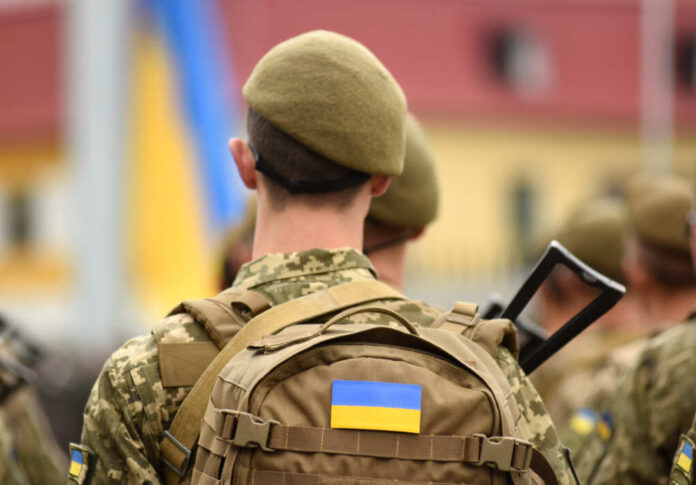
Ukraine’s war effort is facing critical strain as Russian forces escalate attacks while Western stockpiles of ammunition and equipment struggle to keep pace.
At a Glance
- NATO allies warn of shrinking ammunition reserves
- Ukraine consumes tens of thousands of artillery shells weekly
- Russia increases drone and missile strikes across the front
- EU pledges new procurement plan to expand defense production
Ammunition Gap Widens
Ukraine’s artillery-driven defense relies heavily on NATO supplies, but officials in Brussels and Washington have acknowledged that existing production cannot sustain current usage rates. According to recent briefings, Ukrainian forces are firing up to 6,000 shells per day, a pace that has outstripped Western output.
Watch now: Ukraine Faces Severe Ammo Shortage as Russia Strikes … · YouTube
This imbalance has created pressure on the European Union to accelerate defense manufacturing. A joint plan unveiled earlier this summer called for a significant expansion in munitions output, but ramp-up timelines suggest shortages will persist into 2025. Analysts caution that without faster deliveries, Ukraine’s ability to repel Russian advances may be weakened during critical stages of the conflict.
Russian Pressure Intensifies
Moscow has seized on these shortages by intensifying its campaign of missile and drone strikes, targeting not only Ukrainian positions but also energy and logistics infrastructure. Reports from the Ukrainian General Staff indicate an uptick in cross-border assaults and artillery barrages in the eastern Donetsk region.
To counter the strikes, Kyiv has continued to request additional air-defense systems. NATO members have delivered Patriot and IRIS-T batteries, but coverage gaps remain. Military analysts suggest that Russia is deliberately seeking to exhaust Ukraine’s air-defense interceptors by flooding the battlefield with cheaper drones.
Western Production Challenge
The United States has announced new funding packages designed to scale ammunition production, with the Pentagon highlighting expanded contracts for 155mm shell manufacturing. However, delivery timetables extend well beyond immediate battlefield needs. Meanwhile, European producers in Germany, France, and the Czech Republic are negotiating contracts to raise monthly shell output, though supply chain limitations remain a constraint.
Industry executives have warned that bottlenecks in raw materials and labor capacity are slowing progress. The European Defence Agency has urged member states to pool resources more effectively, warning that fragmented procurement risks further delays.
Strategic Outlook
The balance of firepower remains uncertain heading into the winter months. If Western allies cannot close the supply gap, Ukrainian forces may be forced to ration artillery fire, reducing their capacity to launch counteroffensives. Conversely, if production ramp-ups materialize faster than expected, Kyiv could stabilize its defensive lines heading into 2026.
Diplomatic officials stress that sustaining Ukraine’s war effort will require not only military assistance but also broader logistical coordination, including energy and infrastructure resilience. For now, the trajectory of the conflict remains closely tied to the pace of Western weapons deliveries and Russia’s capacity to exploit battlefield shortages.
Sources