President Trump just declared Cuba a “failed nation” while offering Havana a lifeline through negotiations, even as his administration tightens an economic stranglehold that’s plunging the communist island into unprecedented blackouts and fuel shortages.
Story Snapshot
- Trump labels Cuba a “failed nation” facing humanitarian crisis from severe oil shortages and blackouts
- U.S. captures Venezuelan dictator Maduro in January 2026, severing Cuba’s primary oil supply and triggering island-wide crisis
- Administration enacts Executive Order imposing tariffs on any nation supplying oil to Cuba while ruling out military intervention
- Senator Marco Rubio conducts direct negotiations with Havana as Trump demands Cuba end terrorism support and Russian intelligence hosting
- White House strategy leverages economic pressure over military action to counter decades of communist influence and malign activities
Trump’s Direct Challenge to Communist Regime
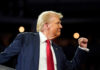
President Trump delivered blunt remarks aboard Air Force One, telling reporters that Cuba must negotiate with the United States to survive its worsening energy crisis. Trump stated, “Cuba is right now, a failed nation… They should absolutely make a deal because it’s a humanitarian threat.” The President emphasized ongoing discussions through Senator Marco Rubio while making clear his “total blockade” policy: no oil, no money, no support until Cuba changes course. This represents a decisive shift from past administrations that either ignored Cuba’s communist dictatorship or foolishly attempted appeasement through normalized relations.
Venezuela Operation Triggers Cuban Energy Collapse
The current crisis stems directly from the January 3, 2026, U.S. military operation that captured Venezuelan President Nicolás Maduro, effectively ending Cuba’s primary oil pipeline from Caracas. Cuba’s decades-long dependency on subsidized Venezuelan crude—a lifeline provided by fellow socialist dictators—collapsed overnight when American forces removed Maduro from power. The island now faces crippling fuel shortages, widespread blackouts, and even jet fuel scarcity that’s disrupted airport operations. This demonstrates the fragility of communist economic systems that rely on handouts from fellow authoritarian regimes rather than free-market principles and self-sufficiency.
Executive Order Weaponizes Economic Leverage
Trump signed an Executive Order declaring a national emergency regarding Cuban threats to U.S. security, authorizing Commerce and State Department officials to impose tariffs on any country supplying oil to the island. The White House cited Cuba’s hosting of Russian signals intelligence facilities targeting American security, providing safe haven to terrorist organizations like Hezbollah and Hamas, persecuting dissidents, and spreading communist ideology throughout the Western Hemisphere. These tariffs extend Trump’s embargo enforcement beyond Cuba itself, creating international consequences for nations enabling the regime’s survival. This America First approach holds adversaries accountable while protecting national security interests that previous administrations neglected.
Strategic Pressure Without Military Overreach
Trump explicitly ruled out a Venezuela-style military operation to force regime change in Cuba, stating such intervention was unnecessary given the regime’s weakened state. The President’s strategy prioritizes economic strangulation over military engagement, leveraging Cuba’s desperate need for oil against its refusal to abandon terrorism support and Russian intelligence cooperation. Senator Rubio’s direct negotiations offer Havana a path forward if they’re willing to end malign activities that threaten American security and regional stability. This measured approach demonstrates how effective economic pressure can achieve foreign policy objectives without costly military entanglements, a stark contrast to the endless wars and nation-building failures of past decades.
Constitutional Implications and American Interests
Trump’s Cuba policy directly serves constitutional priorities by addressing threats to national security from a hostile regime ninety miles from Florida’s coast. The administration’s emphasis on protecting Cuban-Americans seeking family reunification and supporting persecuted dissidents aligns with American values of liberty and human rights. By confronting Cuba’s partnership with Russia, Iran-backed terrorist groups, and communist influence campaigns, Trump defends against foreign interference and ideological subversion. The policy also prevents potential mass migration crises that would strain U.S. border security and immigration systems. This represents responsible governance that prioritizes American citizens’ safety and constitutional protections over globalist ideals of engagement with authoritarian regimes regardless of their hostile actions.
Sources:
Trump Says Cuba, a ‘Failed Nation,’ Should Make a Deal with US – Asharq Al-Awsat
Congressional Research Service Report IN12650 – Congress.gov