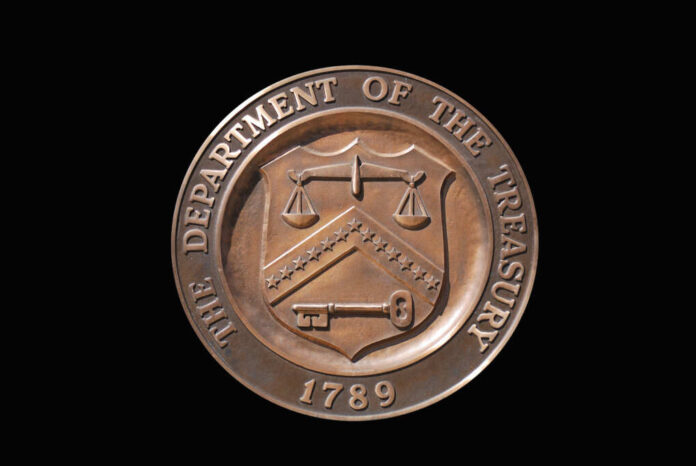
The US Treasury Department has reportedly removed Brazilian Supreme Federal Court Justice Alexandre de Moraes from its sanctions list, signaling a significant and dramatic shift in the Trump administration’s policy toward Brazil’s judiciary. Moraes, known for his aggressive investigations into former President Jair Bolsonaro’s alleged attempts to undermine democratic institutions after the 2022 election, has been a polarizing figure. The decision, which aligns with President Trump’s return to office, suggests a reassessment of international judicial partnerships and raises questions about judicial overreach, free speech, and the future of US-Brazil relations.
Story Highlights
- US Treasury removes Brazilian Supreme Court Justice Alexandre de Moraes from sanctions list.
- Moraes previously led investigations into Bolsonaro’s alleged coup plotting after 2022 election loss.
- Move signals Trump administration’s departure from previous US support for Brazilian judicial actions.
- Decision comes amid ongoing tensions over free speech and platform censorship in Brazil.
Trump Administration Reverses Course on Brazilian Justice
The US Treasury Department has removed Brazilian Supreme Federal Court Justice Alexandre de Moraes from its sanctions list, according to multiple reports. This decision represents a dramatic policy shift from previous US support for Brazil’s post-election judicial proceedings. Moraes gained international attention for his aggressive investigations into former President Jair Bolsonaro’s alleged attempts to undermine Brazil’s democratic institutions following his 2022 electoral defeat. The timing aligns with President Trump’s return to office and his administration’s reassessment of international judicial partnerships.
The Trump administration removed sanctions it had placed on a Brazilian Supreme Court judge, only four months after it first targeted Justice Alexandre de Moraes for his role in the prosecution of former Brazilian president and Trump ally Jair Bolsonaro. https://t.co/f9k7jKclzD
— The Washington Post (@washingtonpost) December 13, 2025
Controversial Background of Targeted Justice
Justice Moraes became a polarizing figure during his oversight of investigations into the January 8, 2023, riots in Brasília, where Bolsonaro supporters stormed government buildings in scenes reminiscent of the US Capitol riots. His judicial actions included ordering arrests, freezing assets, and controversially blocking social media platforms including X (formerly Twitter) for non-compliance with content removal orders. These measures drew sharp criticism from free speech advocates and tech entrepreneurs like Elon Musk, who characterized Moraes’ actions as authoritarian overreach disguised as democratic protection.
Constitutional Concerns Over Judicial Overreach
Conservative observers have long criticized Moraes’ expansive interpretation of judicial authority, viewing his actions as undermining constitutional principles of due process and free expression. His orders to censor social media content and block entire platforms raised serious questions about government overreach and the suppression of political dissent. The justice’s approach mirrors concerning global trends where unelected judicial officials wield disproportionate power over democratic discourse. This represents exactly the kind of authoritarian judicial activism that threatens constitutional governance and individual liberties worldwide.
The sanctions removal suggests the Trump administration recognizes the problematic nature of supporting judicial figures who prioritize political outcomes over constitutional protections. Moraes’ actions consistently favored the current Lula administration while targeting conservative voices and platforms, demonstrating clear partisan bias incompatible with judicial independence. This pattern of selective enforcement and censorship directly contradicts American values of free speech and due process.
Implications for US-Brazil Relations
The decision to lift sanctions reflects broader concerns about international judicial cooperation when foreign courts engage in politically motivated prosecutions. Patriots understand that supporting judicial overreach abroad sets dangerous precedents that could eventually threaten American sovereignty and constitutional rights. By removing Moraes from the sanctions list, the Trump administration signals its commitment to principled foreign policy that doesn’t enable authoritarian judicial practices, even when targeting political opponents.
This move will likely strengthen relationships with Brazilian conservatives while sending a clear message that the United States won’t support judicial activists who undermine democratic norms through censorship and political persecution.
Watch the report: US removes Moraes from Magnitsky Act sanctions list
Sources:
- US removes Brazilian judge Alexandre de Moraes from its sanctions list
- US Treasury lifts sanctions on Brazil Supreme Court justice
- US Lifts Sanctions on Brazil Judge Who Led Bolsonaro Trial