As Iran’s regime cracks down on freedom seekers and threatens to hit American troops and Israel, Trump’s team is quietly weighing how far the United States should go in backing the protesters without getting dragged into another endless war. The situation involves high-stakes U.S.-Israel coordination, cruel internal repression by Iran’s leadership, and a review of American responses ranging from sanctions and cyber tools to potential military strikes. This moment forces a critical question for the Trump administration: how to support liberty and punish a hostile regime while avoiding another costly Middle East conflict.
Story Highlights
- Netanyahu and Rubio held a high-stakes call about possible U.S. intervention in Iran as protests rock the Islamist regime.
- Trump officials are reviewing options that range from sanctions and cyber tools to potential military strikes on regime targets.
- Iran’s leadership is responding with vicious crackdowns at home and open threats to hit U.S. forces and Israel if America intervenes.
- Israel has raised its alert level and moved up a key security cabinet meeting as it prepares for possible regional escalation.
Phone Call Signals Serious U.S.–Israel Coordination On Iran Unrest
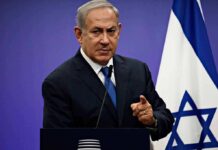
Israeli Prime Minister Benjamin Netanyahu and U.S. Secretary of State Marco Rubio recently held a phone call that went far beyond polite diplomatic check‑ins. Multiple reports indicate the two allies discussed the possibility of U.S. intervention in Iran as nationwide anti‑regime protests stretch into weeks and shake the Islamic Republic’s hold on power. Some U.S. officials tried to frame the conversation as routine, but Israeli sources described more concrete talk of contingencies, including options if the regime’s violence spirals.
For many conservative Americans, this moment highlights a stark contrast with the previous administration’s approach. Instead of sending pallets of cash and chasing a flawed nuclear deal, Washington is now coordinating closely with Jerusalem while an openly hostile regime faces pressure from its own people. At the same time, the fact that intervention was even on the agenda underscores the stakes: any misstep could fuel another Middle East quagmire that drains U.S. resources and distracts from border security and domestic priorities.
RISING TENSIONS: Secretary of State Marco Rubio and Israeli Prime Minister Benjamin Netanyahu reportedly discussed the possibility of U.S. military intervention in Iran as anti-regime protests enter their second week. pic.twitter.com/lX4ZgJgNG7
— Fox News (@FoxNews) January 11, 2026
Iran’s Vicious Crackdown And Open Threats Against The U.S. And Israel
Inside Iran, the regime is responding to the largest anti‑government protests in years with tactics Americans have come to expect from authoritarian theocracies. Security forces have launched mass arrests, reportedly detaining thousands across multiple cities while deploying riot police and paramilitary units to break demonstrations. Authorities severely restricted internet access, effectively flipping an online “kill switch” to hide abuses and keep protesters from sharing videos or coordinating, a move that should alarm anyone who cares about free speech and basic human rights.
As the unrest grows, Iranian leaders are not just attacking their own citizens; they are threatening Americans and Israelis as well. Senior officials have publicly warned that if the United States launches military strikes, Israel and U.S. military bases and shipping will become “legitimate targets.” State media and parliament figures are pushing a narrative that Washington and Jerusalem are orchestrating the protests, using that claim to justify harsh repression and to rally hardliners. For a conservative audience, these threats are a reminder that Iran’s rulers still see America and its allies as enemies to be intimidated, not negotiated partners to be trusted.
Trump’s Options: From Sanctions To Possible Strikes, With Caution On War
While Iran escalates its rhetoric, Trump’s national security team is reviewing a menu of responses that reflect both strength and restraint. Reports say the options on the table include tougher sanctions, information and cyber operations, and visible deployments of U.S. assets in the region to deter further bloodshed. Military strikes on regime targets are reportedly part of the discussion, but no decision has been made. The overall picture is a White House that wants to support the Iranian people and punish abuses without rushing into a ground war.
Trump’s public statements reinforce that balance. He has strongly praised the protesters, posting that Iran is “looking at FREEDOM” and promising America “stands ready to help,” while warning Tehran that if it slaughters its citizens, the United States can hit the regime “very, very hard where it hurts.” At the same time, he has been clear this does not necessarily mean “boots on the ground.” That matters for conservatives who remember Iraq and Afghanistan: they want decisive action against terror sponsors, but not another open‑ended nation‑building project that burns trillions and leaves America weaker.
Israel On High Alert As Regional Risks Collide With American Priorities
For Israel, the stakes are immediate and existential. Israeli media report that the government has moved up a key political‑security cabinet meeting specifically to address the Iran protests and potential U.S. moves. Israel has reportedly raised its alert level, with security and intelligence services closely monitoring signs of instability inside Iran and the risk that the regime could lash out externally to distract from domestic unrest. That posture reflects years of conflict with Iranian proxies and a recent short war that underscored how quickly tensions can erupt.
For American conservatives watching from home, this moment ties foreign policy back to core values. A regime that chants “Death to America” is now crushing citizens who want basic freedoms, while threatening to target our troops and our closest ally in the region. The Trump administration faces a hard but familiar question: how to stand with those demanding liberty, punish a hostile regime, and protect Israel—without writing another blank check in blood and treasure that Washington elites always send, but heartland families always pay for.
Watch the report: Iran warns it will target US troops and Israel if US strikes over protests
Sources:
- Netanyahu and Rubio discuss US military intervention in Iran amid ongoing nationwide protests: report
- Rubio speaks with Netanyahu, discusses possibility of US intervention in Iran protests – report
- Iran cracks down on protests and threatens US and Israel of retaliation in case of intervention
- Netanyahu, Rubio discuss US military intervention in Iran amid protests