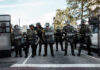
For the first time in modern history, senior White House officials have vacated their traditional posts and moved onto military bases, raising urgent questions about the state of national security and the resilience of our republic.
Story Highlights
- Top Trump administration officials are now operating from secure military bases due to credible threats targeting government leadership.
- This unprecedented relocation follows months of heightened intelligence warnings about both foreign and domestic dangers.
- The move underscores deepening instability and the seriousness of current threats facing America’s constitutional government.
- Experts warn that the relocation could impact public trust, government transparency, and the future of crisis management in Washington.
White House Leadership Moves to Secure Military Bases
Multiple senior officials, including the President, Vice President, and key national security staff, have temporarily transferred their residences and select operations to secure U.S. military installations. Confirmed in late October 2025 by both Department of Defense and White House statements, this action comes after months of rising threat intelligence. Security agencies detected credible plots and increased chatter about targeting top government figures, prompting a review and rapid upgrade of security protocols for senior officials. The situation is drawing comparisons to Cold War-era “continuity of government” protocols, but the scope and public nature of these relocations are unprecedented in recent decades.
Trump Admin Moves Key White House Personel To Hardened Military Bases For Their Safety Ahead Of Potential Deep State Civil War! pic.twitter.com/iBm29HZQ8U
— Alex Jones (@RealAlexJones) October 30, 2025
This extraordinary relocation is not without precedent. Since the Cold War, the United States has maintained continuity of government plans—safeguards that call for relocating essential officials during existential threats. After 9/11, select leaders were periodically moved to undisclosed, secure locations. However, the mass transfer of so many top civilian officials to military bases, including sites like Joint Base Andrews and Fort Belvoir, has rarely occurred outside of drills or imminent threats. The political climate remains deeply polarized, and the growing frequency and intensity of threats—both domestic and international—have forced the Trump administration to take visible, decisive action to ensure the functioning of government.
Security Threats and Decision-Making Behind the Move
In September 2025, the National Counterterrorism Center and FBI issued joint warnings about active plots targeting government leadership. These warnings catalyzed a series of emergency meetings in the White House Security Council, which ultimately resulted in the decision to utilize military bases for enhanced protection. The Department of Defense has provided logistical support and physical security, while the Secret Service and intelligence agencies monitor and assess evolving risks. Officials have shifted some classified operations and communications to military networks, reinforcing both physical and digital security. Congressional leaders were briefed but have expressed concern about what this means for transparency and public confidence.
The current threat environment is shaped by a surge in both homegrown extremism and foreign adversary activities. Cyber operations, intelligence leaks, and physical threats have all intensified, exposing vulnerabilities in traditional security protocols. Administration insiders and outside experts agree that while these steps may be precautionary, they reflect a harsh reality: the United States government is operating in an age of hybrid threats, where the lines between war, terrorism, and criminal activity have blurred. This new phase of security awareness is influencing not only immediate safety measures but also longer-term planning for continuity and crisis management.
Implications for Government, Public Confidence, and Conservative Values
The short-term effect of relocating White House officials is clear: government leadership remains protected, but daily routines and public-facing functions are disrupted. Military personnel now shoulder additional security and logistical responsibilities, while staff and families adjust to new restrictions. For the American public—especially those who value constitutional limits on power, government transparency, and order—these developments may fuel anxiety about national stability. The Trump administration stresses that these measures are temporary and based on the best available intelligence, but refuses to disclose specifics for security reasons.
In the long term, this episode could set a precedent for future responses to security threats, shaping how the federal government handles crises and communicates with its citizens. Supporters view the relocation as a responsible, necessary step to protect leadership and the Constitution. Critics warn that if such relocations are mishandled or perceived as panic, they could erode public trust and embolden adversaries. Conservative observers, in particular, emphasize the importance of transparency and caution against government overreach, even as they support robust measures to defend the nation’s highest offices. The delicate balance between security, liberty, and public confidence remains at the heart of this historic moment.
Watch the report: It BEGINS….⚠️ Top White House Officials Just Went into HIDING on US Military Bases
Sources:
Congressional Research Service. (2023). Continuity of Government: History and Policy.
Department of Homeland Security. (2025). Annual Threat Assessment.
The New York Times. (October 2025). “White House Officials Move to Military Bases Amid Security Threats.”
Washington Post. (October 2025). “Security Protocols Tightened for Senior U.S. Officials.”
Brookings Institution. (2025). “National Security in an Age of Hybrid Threats.”
Council on Foreign Relations. (2025). “Continuity of Government: Lessons from Recent Events.”
Department of Defense. (October 2025). Official press releases.
White House Press Briefings. (October 2025).