Atlanta-area police ended a jet-bridge drug search program after settling a lawsuit brought by comedians Eric André and Clayton English.
Story Snapshot
- Clayton County police agreed to end jet-bridge stops at Atlanta’s airport after a lawsuit by Eric André and Clayton English.
- An appeals court had revived the case, saying the claims plausibly alleged Fourth Amendment violations.
- Records cited in reports show 402 jet-bridge stops in eight months, with race recorded in most cases.
- Settlement terms include policy reforms like body cameras and training; the county denied liability.
Lawsuit Settlement Ends Airport Jet-Bridge Search Program
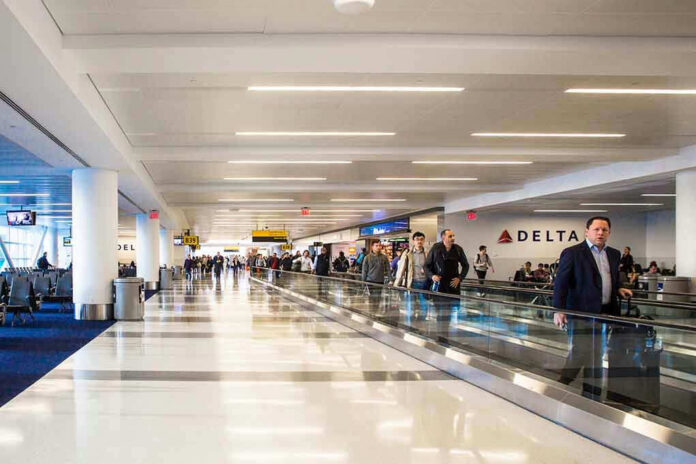
Clayton County Police Department agreed to end its jet-bridge drug interdiction program at Hartsfield-Jackson Atlanta International Airport, closing a lawsuit filed by comedians Eric André and Clayton English. The plaintiffs said plainclothes officers stopped them on the jet bridge just before boarding, took their boarding passes and identification, and questioned them about drugs. Local outlets and advocacy materials report the department confirmed the program’s end as part of the settlement.
The Associated Press reported that police records cited in the suit showed 402 jet-bridge stops between late August 2020 and the end of April 2021. Race was listed in 378 of those encounters, allowing for analysis of who got stopped most often. Axios and plaintiff-side materials said the program disproportionately affected Black travelers, though the public record here does not include a full statistical baseline for airport demographics during that period.
Appeals Court Ruling Raised Constitutional Stakes
The United States Court of Appeals for the Eleventh Circuit reinstated the case in 2025 after a district court dismissal. The Policing Project at New York University, which supported the plaintiffs, said the panel held the complaint plausibly alleged violations of the Fourth Amendment’s protections against unreasonable searches and seizures. That ruling raised pressure on the county by signaling the claims could proceed to discovery and potentially to trial if not resolved.
The plaintiffs alleged officers framed the encounters as “consensual,” yet used blocking positions and requests for documents that felt mandatory. That tension sits at the heart of many airport search disputes. Officials often describe stops as voluntary, while travelers say the setting and show of authority make refusal unrealistic. The appeals court did not decide ultimate merits but cleared the case to move forward on those questions.
Reforms, Race Concerns, and No Admission of Liability
Coverage of the settlement describes policy changes that go beyond money. Reports say airport officers will wear body cameras and receive constitutional training, measures meant to improve oversight and protect passenger rights. Clayton County’s statement said the agreement involved no admission of any fact or liability, a common feature in public-sector settlements that avoids a court judgment while ending litigation costs for taxpayers.
Comedians Eric André and Clayton English Settle Lawsuit Over Drug Search Program at Atlanta Airport https://t.co/OHIfxkpEAc pic.twitter.com/pHzeCTNjIR
— Court News .NET (@CourtNewsNet) August 21, 2026
The end of the jet-bridge program highlights a bigger national debate over “consent” searches in transit hubs. These stops can occur without individualized suspicion and are hard to monitor because they happen out of public view. That design can open the door to bias and confusion about rights, which is why data, cameras, and clear training matter to both civil libertarians and law-and-order advocates who want fair, effective policing.
Sources:
reason.com, axios.com, apnews.com, fox5atlanta.com, policingproject.org, latimes.com