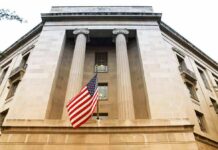
A federal watchdog says the Federal Reserve’s $2-plus billion headquarters overhaul was mismanaged but not criminal, highlighting costly contract lapses that echo how Washington wastes money without consequence.
Story Snapshot
- The inspector general found major oversight failures but no crime or administrative misconduct.
- Renovation costs roughly doubled, fueled by weak cost controls and scope changes.
- The board failed to secure a guaranteed maximum price, leaving taxpayers exposed.
- The report closes the door on criminal claims while urging tighter project management.
What The Watchdog Actually Found
The Federal Reserve’s Office of Inspector General reported “deficiencies” in how the board managed its multi-year renovation of two historic buildings in Washington, D.C. The review said it found no reasonable grounds to believe a federal criminal law was broken and did not identify administrative misconduct. That means no referral to the attorney general and no charges. Still, the report described extensive problems with project oversight that helped fuel massive overruns.
Reporters said the project budget climbed from earlier figures near $1 billion to a current total above $2 billion, depending on timing and methods used to count costs. Outlets placed the latest cost near $2.4 to $2.5 billion. The scale matters less than the trend line: costs more than doubled from early estimates. The inspector general tied that growth to weak planning, soft controls, and contract choices that failed to cap risk for the public.
How Contract Choices Drove Higher Costs
Investigators said the board planned to use a “guaranteed maximum price” style approach but did not lock it in. Without a hard ceiling, the contractor did not carry the risk of overruns. That left the board and, by extension, the public bearing price shocks from scope changes and inflation. The watchdog also said the board did not secure a full construction estimate at the start or share clear cost limits with the contractor. Those steps are basic guardrails in major builds.
The report flagged a major midstream design shift. Leaders moved from a layout with open workspaces to one with more closed offices after work began. That change extended the timeline and raised exposure to rising prices. The finding reads like a case study in how late scope changes compound risk. It also shows how culture battles over office layouts translate into real dollars when decisions come late in the game.
No Crime, But Real Accountability Gaps
The inspector general said facts in hand do not support criminal or administrative misconduct. That clears specific people of legal fault. Yet the same report paints a clear picture of preventable waste. Weak oversight, loose contracts, and late design changes drove cost creep. This pattern is common across public projects: the audit confirms mismanagement while stopping short of finding intent, fraud, or self-dealing. That gap fuels the public sense that government waste is routine and largely unpunished.
🚨BREAKING: A Federal Reserve watchdog has found no criminal wrongdoing by former chairman Jerome Powell in an investigation into the costly renovations of the central bank's headquarters, according to an inspector general report released Wednesday.
The multibillion-dollar… pic.twitter.com/DXyPXscTx1
— Off The Press (@OffThePress1) September 30, 2026
Both sides of the political aisle will find something here. Fiscal hawks will point to the missing price ceiling, which is Auditing 101. Government skeptics will note that even when overruns top a billion dollars, no one is charged. Critics of “deep state” culture will say the system protects itself. Supporters of the central bank will counter that tough building projects often run over, and this one faced inflation and historic-site limits. All of those claims can be partly true at once.
What Fixes Would Actually Help
Common-sense steps could limit repeats. First, set and enforce a guaranteed maximum price before breaking ground, with clear change-order triggers. Second, demand complete, independent cost estimates up front. Third, freeze major design choices early, with any later change tied to a hard trade-off on budget or scope. Fourth, publish quarterly dashboards on cost, schedule, and risks. These moves do not punish anyone, but they do build the discipline that audits always recommend after the money is gone.
Congress can also press for a record of warnings, approvals, and change orders across the project. That timeline would show who knew what and when. It would also test whether red flags were raised and ignored. If officials followed policy yet still missed the mark, rules may be the issue. If they bent rules, training and oversight might fix it. If they hid facts, that invites a different response. Today’s record supports mismanagement, not crime, but stronger sunlight can keep projects on track next time.
Sources:
insiderpaper.com, cnbc.com, cnn.com, politico.com, axios.com