Two U.S. soldiers pulled over on I-5 and stopped a knife attack on two children after a rollover crash, according to Washington State Patrol and witnesses.
Story Snapshot
- Crash on southbound I-5 near DuPont led to alleged knife attack on two children.
- Two soldiers intervened, disarmed the woman, and held her until troopers arrived.
- Younger child sustained a stab wound and broken bones; both children were stable.
- Troopers said they expect driving under the influence and assault charges.
What Happened On The Highway
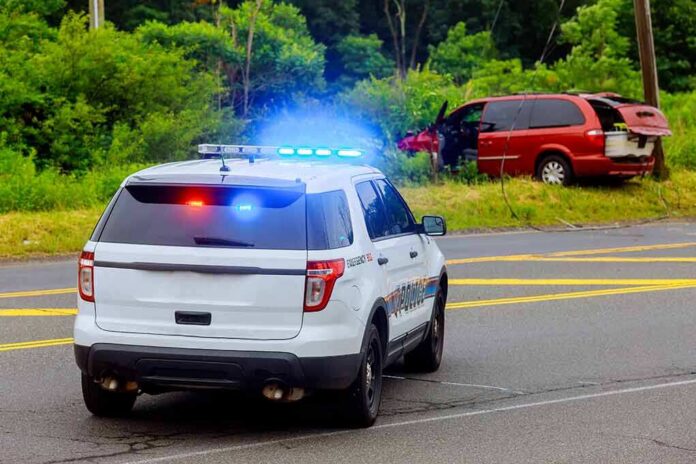
Washington State Patrol said a 35-year-old Steilacoom woman crashed on southbound Interstate 5 near DuPont around 9 a.m. The sport-utility vehicle hit the left barrier, moved to the right shoulder, then veered left and struck a semi-truck in a middle lane. After the crash, three people got out of the vehicle. Witnesses told troopers the woman then threatened or attacked the two children with a knife at the scene. Troopers and fire crews responded and secured the area.
Witness Nathan Wilkinson told reporters he saw two soldiers wrestling with a woman who held a knife and then pinning her to the ground until police arrived. Multiple outlets reported the soldiers stopped to help after seeing the crash and took the knife away during the struggle. The accounts describe quick action that ended the attack before it caused more harm. Officials did not immediately release the soldiers’ names.
Injuries And Expected Charges
Medical staff treated the woman and the two children. Reporting said the younger girl had broken bones and a stab wound but was in stable condition. The older child was also stable after the incident. Washington State Patrol said they planned to recommend charges, including driving under the influence, vehicular assault, and first-degree assault, based on the crash and the knife attack. Final charges will come from prosecutors after they review the case.
Police and reporters described the suspect as 35 years old and from Steilacoom, which was consistent across several outlets. Some coverage varied on the children’s exact ages, but the central facts aligned on two juvenile victims, a knife being used, and the soldiers intervening fast. This story type often spreads on the strength of clear eyewitness scenes, while detailed records such as reports and video arrive later.
Why This Resonates With The Public
Drivers on a busy interstate watched a sudden crash turn into a violent threat against children. Two service members, likely heading to or from Joint Base Lewis-McChord, stepped in without waiting for orders. Their actions matched what many expect from neighbors and from those in uniform—see danger, help fast, and protect life. People across the political spectrum often fear that systems move slow, but moments like this show individuals can still make a decisive difference.
The case also shows how local crime stories move through news cycles. Clear heroes and victims make the narrative spread quickly, even as officials continue to confirm timing, injuries, and charges. Readers can hold two truths at once: the soldiers’ intervention appears to have prevented more harm, and investigators still have work to finish. For families who drive that corridor daily, the lesson is simple—danger can appear fast, and help can too.
Sources:
thegatewaypundit.com, mynorthwest.com, modbee.com