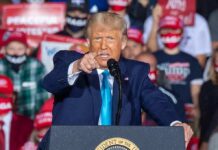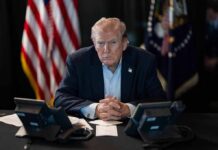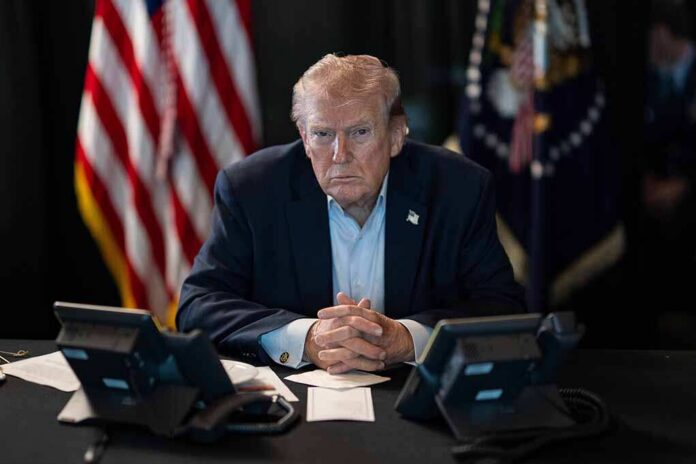
President Trump announced a Russia–Ukraine “energy ceasefire,” but neither side has shared matching, detailed terms and both soon alleged breaches.
Story Highlights
- The White House said peace talks would start with an energy and infrastructure ceasefire.
- Moscow signaled support and said orders went to its military for a 30-day pause on energy targets.
- Kyiv and Moscow later accused each other of violating the arrangement, clouding its status.
- Public documents lack clear start time, scope, and enforcement rules for the pause.
What Trump Announced And What The Records Show
White House records say President Trump and Vladimir Putin agreed that steps toward peace would begin with an energy and infrastructure ceasefire. The United States Embassy transcript uses that same language. Those texts describe a pathway to talks but do not publish a signed deal or enforcement terms. Major outlets reported the idea as a 30-day pause focused on energy sites. Reports said Putin supported the plan during the leaders’ call in March 2025.
Reporters pressed for details, but public materials did not define covered sites, the exact start time, or verification steps. The gap fueled confusion as events on the ground moved fast. President Trump later said the 30-day pause would have been hard to hold, hinting at the challenge of making battlefield units follow flexible political words. The available record supports that a real proposal was made, but it does not show a shared rulebook.
How Each Side Framed Compliance And Violations
The Kremlin said Putin backed the limited pause and gave orders to stop strikes on energy facilities. Soon after, Russia claimed a Ukrainian drone hit an oil depot, calling it a breach of the proposal. Days later, Russia accused Ukraine of attacking the Sudzha gas facility. These statements cast Ukraine as the violator in Moscow’s view, and they illustrate how fast a truce can fray without joint monitoring and timelines.
Ukrainian leaders said they were ready to observe an energy ceasefire and later dated its start to March 25. Officials then accused Russia of more than 30 attacks on Ukrainian energy infrastructure since that date. President Volodymyr Zelenskyy said Russian artillery hit a site in Kherson and urged a response. Kyiv’s framing treats the pause as real but violated by Russia, which disputes the claim. The result is a public blame loop.
Why The Terms Matter For People Far From The Front
Energy sites keep homes warm, factories running, and markets stable. When leaders talk about a ceasefire on power plants, refineries, and grids, families everywhere feel the stakes. Markets react to risk around fuel and power. Americans also see how vague plans can break down when no one publishes the rules. Research on ceasefires shows that unclear terms invite mixed claims and frequent violations, which tracks with what followed here.
Trump announced an immediate "energy ceasefire" in the Russia-Ukraine war, with no terms shared. Zelenskyy says Ukraine is ready to accept it. Moscow has not commented. ⚡ #UkraineWar #RussiaUkraine pic.twitter.com/LznBZkSvVl
— BoreSight (@BoreSightX) October 11, 2026
Both conservatives and liberals share a worry seen in this story: big claims without clear follow-through. People hear “ceasefire” and expect a real stop to strikes. Instead, they see leaders make statements, then argue over dates, targets, and exceptions. That gap feeds the view that governments talk past each other and leave the public holding the bill for higher energy costs and more global risk. Clear terms and public verification would help restore trust.
What Would Bring Clarity And Test Results
Publishing the written terms would answer basic questions. Which sites count as energy infrastructure? When did the pause start? What evidence proves a breach? An incident ledger, built from satellite images and damage reports, could test if attacks actually fell. The parties could also state whether one strike ends the deal or triggers a review. Without these steps, each side can claim it complied while blaming the other, and the public cannot judge.
Bottom Line For Readers
The record shows a White House-backed energy ceasefire concept that Russia said it supported, followed by fast, public claims of violations from both sides. The lack of shared, posted rules left room for dispute. For Americans watching energy prices and global risks, this is the core lesson: peace steps tied to power and fuel must be clear, timed, and checked. Otherwise, politics fills the silence, and families pay for uncertainty at the pump and on the bill.
Sources:
facebook.com, reuters.com, nbcnews.com, abcnews.com, politico.com, apnews.com, ru.usembassy.gov, bbc.co.uk