
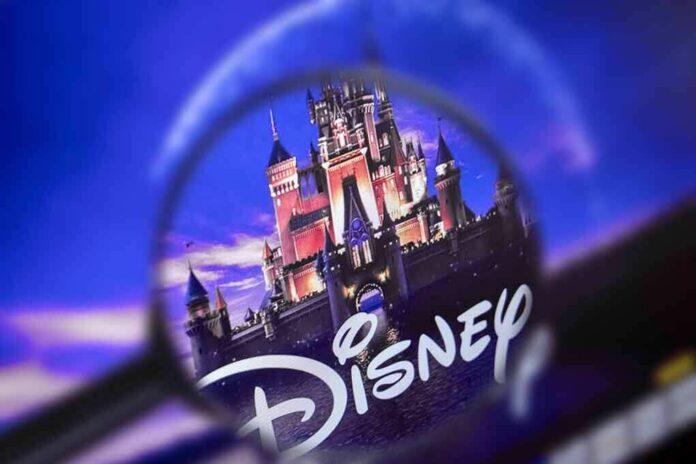
A former Disney animator says a studio executive told him to add “two gay turtles” to a Noah’s Ark project, and he walked away.
Story Highlights
- Davy Liu says a Disney executive pushed same-sex animal couples in his Noah’s Ark pitch.
- Liu worked on The Lion King, Aladdin, Beauty and the Beast, and Mulan before leaving.
- His account links the clash to a project called The Giant Leaf, centered on Noah’s Ark.
- The claim fits long-running fights over LGBTQ themes in kids’ media and Disney’s direction.
What Liu Says Happened Inside Disney
Davy Liu, a former Disney animator, says a Disney executive asked him to include “two gay turtles” entering Noah’s Ark in his proposed project, The Giant Leaf. Liu says he refused and walked away. He shared the account in a May 2025 ministry interview and repeated it later, describing the moment as a creative and values clash after his work on major Disney films in the 1990s. Liu has not named the executive, and the account relies on his public recollections.
The report identifies The Giant Leaf as a pitch that retold the Noah’s Ark story from the animals’ view. Liu connects the dispute to that development phase and frames it as a red line he would not cross. His career credits from the Disney “Renaissance” era add weight to his connection with the studio, even as the specific meeting details and internal records are not presented in the reporting.
How This Fits Larger Battles Over Kids’ Content
The claim lands in the middle of a long fight over how children’s shows and films handle gender and sexuality. Researchers have shown Disney’s approach changed over time, moving from queer-coded villains toward more open, if still limited, representation. That shift sparked praise from some parents and pushback from others who say studios should avoid such themes in content for young children. The push and pull remains intense across schools, streaming, and theater releases.
Public debate often treats single creative choices as proof of a bigger corporate agenda. In practice, development rooms test many ideas before a project is set. Liu’s story has become a symbol for critics who say entertainment companies inject adult themes into kids’ stories. Supporters of inclusion argue brief or background representation reflects real families and helps reduce bullying. Both sides frame the stakes as protecting children, which keeps the conflict heated.
Why This Resonates With Viewers Across Politics
Parents on the right and left share a core worry: big companies make choices far from home that shape what kids see. Many feel the system listens more to executives, boardrooms, and brand managers than to families. Liu’s account taps that frustration. It suggests a private push inside a powerful studio that could rewrite a well-known Bible story for modern culture. For many, that reads as elite decision-making without public input or consent.
The episode also mirrors how cultural fights blur with business strategy. Disney’s brand is built on family trust. Any hint that classic stories are getting ideological edits draws sharp reactions because parents think values, not just stories, are at stake. Critics call this mission creep. Others call it overdue inclusion. Either way, the debate widens the sense that gatekeepers, not families, control what ends up on the screen.
What We Know, What We Do Not
The reporting ties Liu’s allegation to his public interviews and names the Noah’s Ark pitch, The Giant Leaf. It confirms his past work on major Disney films, which explains his access to development conversations. It does not name the executive or provide internal notes, emails, or drafts from the 1990s. That leaves some timeline and process details unclear, even as the core allegation comes directly from Liu in more than one forum.
Apparently Noah did choose 2 gay T Rex for the Arc.
Disney Animator QUIT When They Asked Him THIS😱🤯‼️ #christian #shorts #di… https://t.co/u6SEHg2w9E via @YouTube
— david murray (@dmu1957) November 22, 2026
Separate academic work shows the larger trend line: more visible, though still limited, LGBTQ characters across recent Disney-linked projects. That history helps explain why Liu’s account spread fast. It fits a story many people already believe about where children’s media is headed, for good or for ill. As families choose what to stream at home, they are voting with the remote and with monthly subscriptions, which now shape studio choices as much as box office sales.
Sources:
thegatewaypundit.com, beforeitsnews.com