
Armed men linked by officials to the Allied Democratic Forces stormed the village of Cantine in eastern Congo overnight, killing at least 33 people and burning dozens of homes.
Story Highlights
- Local civil-society and territorial officials tied the Cantine killings to the Allied Democratic Forces.
- Reports describe at least 33 dead, more than 50 houses burned, and looting across the village.
- A nearby health post was torched, sending Ebola patients and exposed people fleeing care.
- The Allied Democratic Forces have a long record of deadly attacks on civilians in eastern Congo.
Officials Identify Attackers and Describe the Assault
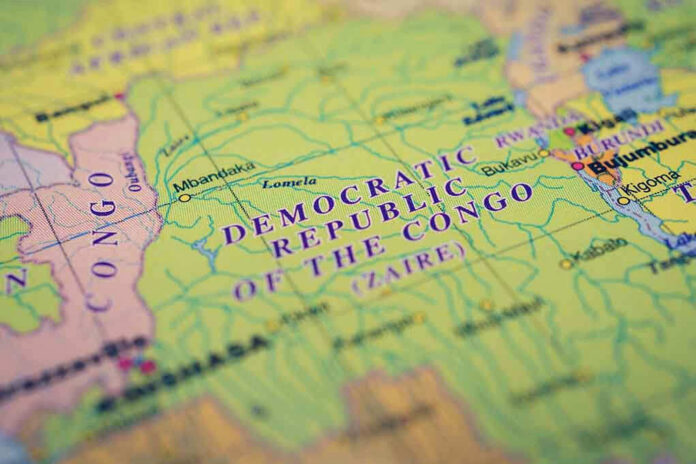
Local officials said fighters attacked Cantine, a village in North Kivu Province, late on November 5 and into November 6. The group set homes on fire, looted goods, and killed civilians as they moved through the area. A civil-society leader reported at least 33 bodies and more than 50 homes burned. A territorial administrator also identified the gunmen as members of the Allied Democratic Forces, an armed group active in the region for years.
Witness accounts said the assault left streets lined with debris and families searching for loved ones. Houses made from wood and sheet metal burned quickly, leaving little to salvage. Survivors reported gunfire and machete attacks. Some villagers ran to nearby fields and forests to hide through the night. Officials warned that the toll might change as teams gain access to burned structures and more families report missing relatives.
Health Impact: Ebola Care Disrupted by Arson
Attackers set fire to a health post near Cantine, disrupting care for patients and people exposed to Ebola. Medical staff reported that patients fled in fear, including at least one confirmed patient and many who had recent contact with the virus. Losing track of exposed people makes disease control harder, since they need monitoring and quick isolation if symptoms start. Health workers said they faced new risks reaching the area after the attack.
Public health teams now must balance two urgent tasks. They need to trace and test people who fled care, and they need to support survivors who lost homes and family members. Aid groups often scale operations when violence strikes, but broken roads and security threats can slow deliveries. The burn sites also pose hazards and may hide victims. Officials said they would work to secure the area so health staff can return to regular contact tracing and treatment.
Patterns of Violence and Responsibility in Eastern Congo
The Allied Democratic Forces have been one of the deadliest armed groups in eastern Congo. United Nations reporting counted more than one thousand civilian deaths tied to the group in 2025. United States government assessments also describe the group, which it calls Islamic State in the Democratic Republic of the Congo, as active across North Kivu and Ituri Provinces with repeated attacks on civilians.
Researchers and officials debate the depth of the group’s links to the Islamic State, but they agree on the core fact: the Allied Democratic Forces target communities and cause mass casualties. United Nations missions have condemned past massacres that matched the pattern seen in Cantine, including night raids, arson, and market attacks. Rights reports also describe kidnappings and sexual violence tied to the group’s campaigns.
Why This Matters to Americans Watching a Distant Conflict
American readers often ask why violence in eastern Congo should matter to them. Security vacuums abroad can give violent groups room to grow, and those groups sometimes build ties across borders. When clinics and aid workers cannot operate, disease outbreaks last longer and spread faster. That risk touches everyone. Stable communities also matter for global supply chains that feed American factories and everyday products, including minerals used in phones and cars.
The Cantine attack also highlights a theme many Americans see at home: institutions often seem slow or unable to protect regular people. Villagers say they warned for weeks about threats, yet help arrived after the damage. People on the right and the left know this feeling. They worry that distant elites make plans, while families pay the price when systems fail. Clear, steady action to shield civilians and support health teams is the test that follows this tragedy.
Sources:
thegatewaypundit.com, fakti.bg, aljazeera.com, unb.com.bd, storyafrica6.com, congress.gov, bbc.com, extremism.gwu.edu, foreignpolicy.com, csis.org