

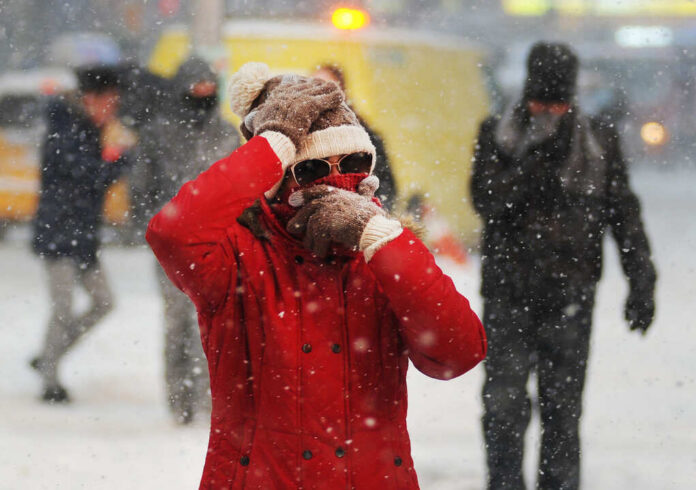
A rare bomb cyclone is burying the Southeast in heavy snow and subzero cold, exposing fragile infrastructure left vulnerable by years of federal neglect and overregulation.
Story Snapshot
- The second major winter storm in a week slams Carolinas, Virginia, Tennessee, and Florida with 6-12 inches of snow and 70 mph winds, creating blizzard chaos.
- Over 174,000 homes without power amid freezing temperatures, compounding first storm’s damage and risking hypothermia for unprepared families.
- More than 2,400 flights canceled, 200+ crashes in North Carolina, and over 100 deaths nationwide from back-to-back storms.
- The National Guard deployed in 15 states as Southern cities like Myrtle Beach scramble without snow removal gear.
Bomb Cyclone Hits Unprepared Southeast
The second major winter storm intensified rapidly off the Carolinas on February 1, 2026, forming a bomb cyclone with wind gusts up to 70 mph. Blizzard conditions developed across eastern Tennessee, the Carolinas, and southern Virginia. Snow began falling on January 31, with northeastern Tennessee already seeing 3 inches. This rare event for the region brings 6-12 inches widespread, up to 1 foot in North Carolina parts, and 6 inches to Myrtle Beach, South Carolina. Freezing temperatures persist into next week.
Power Outages and Compounding Crises
More than 174,000 homes and businesses in Mississippi and Tennessee lack power, many since last week’s storm. Aging grids strained by prior outages fail under new demands. National Weather Service meteorologist Bob Oravec warns of frostbite risks from prolonged cold exposure, especially without electricity. Southern populations unaccustomed to extremes face heightened dangers. Vulnerable groups like the elderly and homeless suffer most in housing not built for freezes. National Guard troops deploy across 15 states for recovery aid.
Watch:
https://www.youtube.com/watch?v=4Cr1EmPYZW0
Transportation Paralysis and Safety Threats
Over 2,400 flights canceled as airlines halt operations amid whiteout conditions. More than 200 collisions reported in North Carolina on February 1 alone. Cruise operators and highways shut down, stranding travelers. Mayo Clinic’s Dr. David Nestler highlights hypothermia and frostbite surges in the South, where warm clothing is scarce. Record lows hit minus 27 degrees Fahrenheit in West Virginia. Every county in the Carolinas falls under winter storm warnings, paralyzing daily life.
This back-to-back assault follows late January’s storm, which dumped up to 20 inches from Southwest to New England, including records in St. Louis and Pittsburgh. Southeast vulnerabilities stem from limited snow plows, untrained residents, and overregulated utilities slow to adapt. President Trump’s administration mobilizes federal resources swiftly, contrasting past delays that left families exposed.
NEW: A powerful and rare winter storm is slamming the southeast with heavy snow and bitter cold. pic.twitter.com/6VrEPSG6oI
— Fox News (@FoxNews) February 1, 2026
Impacts Demand Infrastructure Accountability
Over 100 weather-related deaths mount since the first storm, with billions in economic losses from outages, closures, and repairs. Social strains grow in places like Nashville, where days without power fuel resident frustration. Long-term, grids need winterization without bureaucratic waste. Southern cities improvise without equipment, underscoring needs for resilient local control over federal overreach. NASA’s coordination system activates for severity response. Snow tapers Sunday, but cold lingers, testing resolve.
Sources:
A Second Major Winter Storm Bringing Rare, Heavy Snowfall to the Southeast U.S.
NASA Earth Observatory: Snow Buries the U.S. Interior and East
CBS News: East Coast Storm Winter Weather Bomb Cyclone Wind Snow Cold
ABC News: Winter Storm Threatens Drop Snow Dangerous Cold Lingers