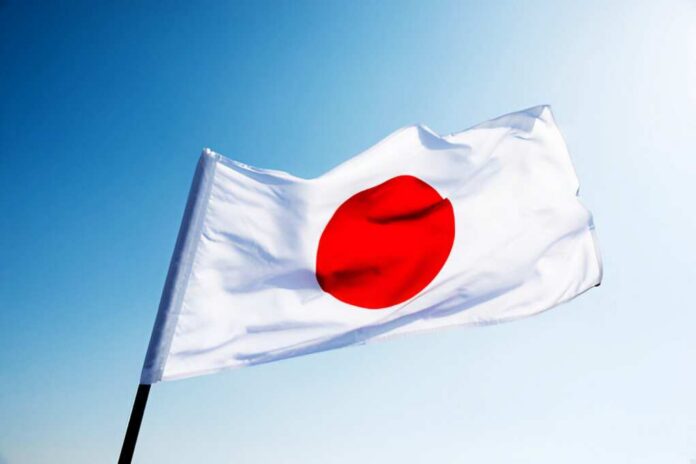
Japan’s ruling party has approved a dramatic overhaul of post-World War II weapons export restrictions, sparking fierce opposition from Beijing and raising alarms about a potential arms race in the Asia-Pacific region.
Story Snapshot
- Japan’s Liberal Democratic Party approved plans to allow lethal weapons exports for the first time since WWII, replacing parliamentary approval with post-facto notification
- China condemned the move as “reckless militarisation” driven by right-wing forces, invoking post-WWII legal commitments meant to prevent Japanese military expansion
- A government poll shows most Japanese citizens oppose easing arms export restrictions despite LDP backing
- The policy shift could open pathways for Japanese weapons to reach conflict zones and potentially Taiwan, fundamentally altering regional military dynamics
Japan Abandons Seven-Decade Defense Export Doctrine
Japan’s Liberal Democratic Party approved a draft proposal on April 7, 2026, to fundamentally revise the Three Principles on Transfer of Defense Equipment and Technology. The current framework, established in April 2014, limits exports to five defensive categories: rescue, transport, warning, surveillance, and minesweeping equipment. The proposed revision eliminates these restrictions, allowing lethal weapons exports and creating exceptions for arms sales to countries involved in active conflicts. Implementation guidelines are scheduled for finalization by the end of April 2026, marking the most significant shift in Japanese defense policy since World War II.
Beijing Invokes Historical Treaties to Challenge Policy
Chinese Foreign Ministry spokeswoman Mao Ning delivered a sharp rebuke at a Beijing press briefing on April 8, 2026, characterizing Japan’s move as a violation of post-WWII commitments. Mao stated that “Japanese right-wing forces are pushing for a more offensive and expansionist defense policy” and warned that “Japan’s accelerated remilitarization is a reality, with clear policies and concrete actions already in place.” China invoked the Cairo Declaration, Potsdam Proclamation, and Japan’s Instrument of Surrender to argue the policy violates international legal obligations designed to prevent any resurgence of Japanese militarism.
Regional Arms Race Concerns Mount
Chinese officials warn that expanded Japanese weapons exports could destabilize the Asia-Pacific region by fueling an arms race and creating new geopolitical flashpoints. A Chinese Foreign Ministry official characterized the move as reflecting “a Cold War zero-sum mentality” and cautioned that “more Japanese weapons flowing into sensitive regions are likely to fuel geopolitical tensions, create new flashpoints, and seriously damage regional peace and stability.” Analysts note the revised regulations may open pathways for Japanese weapons to reach Taiwan, fundamentally altering cross-strait military dynamics and potentially drawing Tokyo deeper into regional conflicts.
Domestic Opposition Challenges Government Narrative
Despite LDP approval, a government poll cited by China reveals that a majority of Japanese citizens oppose easing arms export restrictions. International scholars and Japanese observers have expressed concern that the policy undermines safeguards established after World War II to prevent military overreach. The disconnect between government action and public sentiment raises questions about whether elected officials are responding to genuine security needs or pursuing ideological agendas divorced from citizen priorities. This pattern mirrors broader frustrations in many democracies where governments appear more responsive to special interests than to the people they ostensibly serve.
The policy shift represents more than a technical adjustment to export regulations. It signals Japan’s determination to assert itself as a major military power despite constitutional constraints and public opposition. Whether this move enhances regional security or triggers destabilizing competition remains an open question. What’s clear is that decisions affecting millions of people across the Asia-Pacific are being made by small groups of political elites with limited accountability to those who will bear the consequences. This dynamic fuels growing skepticism about whether governments prioritize citizen welfare or serve narrower political and economic interests.
Sources:
China Daily – China Expresses Grave Concern Over Japan’s Plan to Ease Restrictions on Arms Exports
CGTN – China Concerned About Japan’s Plan to Ease Limits on Arms Exports
South China Morning Post – Why China Worried About Japan’s Plans to Change Rules on Arms Sales
Asian News Network – China Voices Concern Over Arms Export Move by Japan’s Ruling Party