America’s cutters just kept 7,700 pounds of cocaine and 4,000 pounds of marijuana off our streets—and the cartels are angry.
Story Highlights
- Coast Guard offloaded multimillion-dollar drug haul tied to Caribbean interdictions, including waters near Venezuela [8].
- Record 2025 results show over 511,000 pounds of narcotics seized, valued near $4 billion, under aggressive maritime ops [4].
- Navy and Coast Guard teams tracked a high-speed, unmarked go-fast boat and found 19 sealed cocaine bundles [6].
- Media critics push a “militarization” narrative, but officials say the mission saves lives and tax dollars [3][4].
What Was Seized and Where It Came From
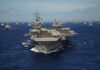
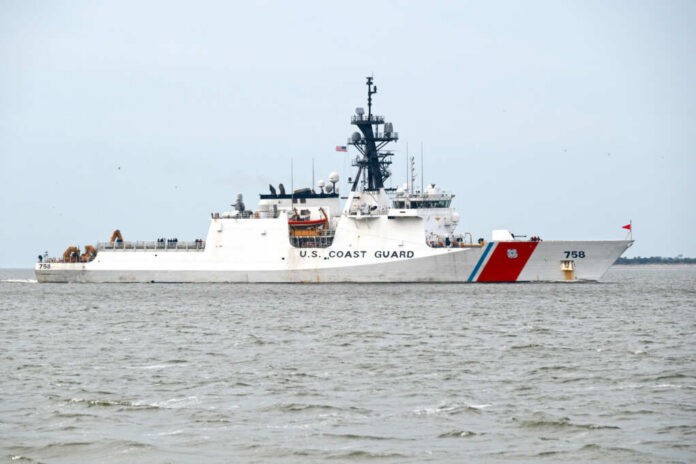
Coast Guard crews offloaded a large cache after several Caribbean interdictions, including operations offshore of Puerto Cabello, Venezuela. Officials reported cocaine and marijuana collected from multiple cases, totaling more than $141 million in contraband in one combined offload event [8]. A separate Coast Guard imagery release documented an offload tied to Puerto Cabello waters as well [7]. These public updates help show chain of custody and timeline, even as some tactical details remain withheld for security.
Rear Admiral Adam Chamie previously said “many” vessels tied to the largest Coast Guard offload of 2025 came from Venezuela, with authorities assessing billions in drugs linked to that corridor [1]. That context matters here. It shows cartels rely on fast boats and shifting routes to feed U.S. demand. When the Coast Guard and partner ships intercept loads at sea, they cut profits, disrupt networks, and deny cartels the cash that fuels more crime at home.
How The Interdictions Unfolded At Sea
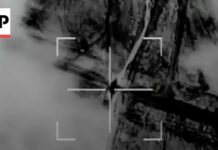
U.S. Navy and Coast Guard teams reported spotting a small, under-40-foot craft moving faster than 20 knots, with no transponder signal and no radio response. Air and surface units said three men on board carried no fishing gear or safety items and appeared heavily loaded. A boarding team recovered 19 triple-sealed bricks stamped and wrapped in burlap and plastic, consistent with cocaine trafficking methods described by maritime law enforcement veterans [6]. These red flags match classic go-fast tactics cartels use in the Caribbean.
Those seizures align with a broader year of success. The Coast Guard reported more than 511,000 pounds of narcotics seized in 2025, valued near $3.8 to $4 billion. Leaders estimated billions in taxpayer savings by reducing crime, prison costs, and health harms. While values always spark debate, the bottom line remains clear: stopping cocaine and marijuana at sea lowers cartel revenue and reduces deaths and addictions on U.S. soil [4]. Big offloads follow dozens of at-sea interdictions built on radar tracks, air overwatch, and fast pursuit.
Why Critics Cry ‘Militarization’—And What The Facts Show
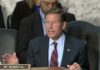
Some national outlets framed these moves as a “militarization” of the Caribbean. They focused on tension with Venezuela rather than the drugs and the law. In a high-profile exchange, a Coast Guard admiral and the Drug Enforcement Administration administrator defended boarding actions as lawful and necessary to stop lethal cargo before it lands in American towns [3]. They said the mission uses every legal tool to target smugglers—not fishermen, families, or lawful commerce.
The administration’s supporters point to official offload notices, public video, and case photos as proof the work is real and effective [7][8]. They note that cartels exploit weak states and corrupt ports. When the United States pulls drugs off go-fast boats, it blocks cartel cash that props up violence, gangs, and human smuggling. That helps protect our border, our neighborhoods, and our kids. It is not “militarization.” It is maritime law enforcement done by trained professionals with clear rules.
Gaps, Valuations, and Accountability
Some numbers vary. One video transcript cited a street value near $98 million and a lower wholesale figure for the same bundles [6]. That difference reflects how value changes from sea to street. Still, transparency matters. The Coast Guard can strengthen trust by releasing more after-action summaries when cases close, including lab verification and chain-of-custody details. Those steps can quiet critics without giving cartels sensitive tactics.
💥💥💥‼️‼️‼️US Coast Guard has seized over 225,000 pounds of cocaine in eastern Pacific https://t.co/EsbQkG3QRI
— CHRISTIAN CONSERVATIVE FIGHTERS FOR FREEDOM !!! (@timlatimer365) June 21, 2026
The mission remains urgent and constitutional. Federal agents and sailors work under law and with oversight. They interdict at sea so our police do not face those loads on our highways. The latest haul—7,700 pounds of cocaine and 4,000 pounds of marijuana—shows the model works. Every bale stopped is poison that never reaches our kids. That is a victory for the rule of law, for safe communities, and for American families [4][8].
Sources:
[1] Web – Coast Guard’s $63M Drug Haul Includes 7,700 Pounds of Cocaine, 4K …
[3] Web – U.S. Forces Seize Sixth Oil Tanker Linked to Venezuela
[4] YouTube – U.S. Coast Guard led seizure of oil tanker near Venezuela with Navy …
[6] Web – Trump says US still actively pursuing oil tanker linked to Venezuela …
[7] YouTube – U.S. Coast Guard intercepts second vessel off Venezuelan coast
[8] Web – EXCLUSIVE: Never-before-seen photos following the U.S. seizure of …